




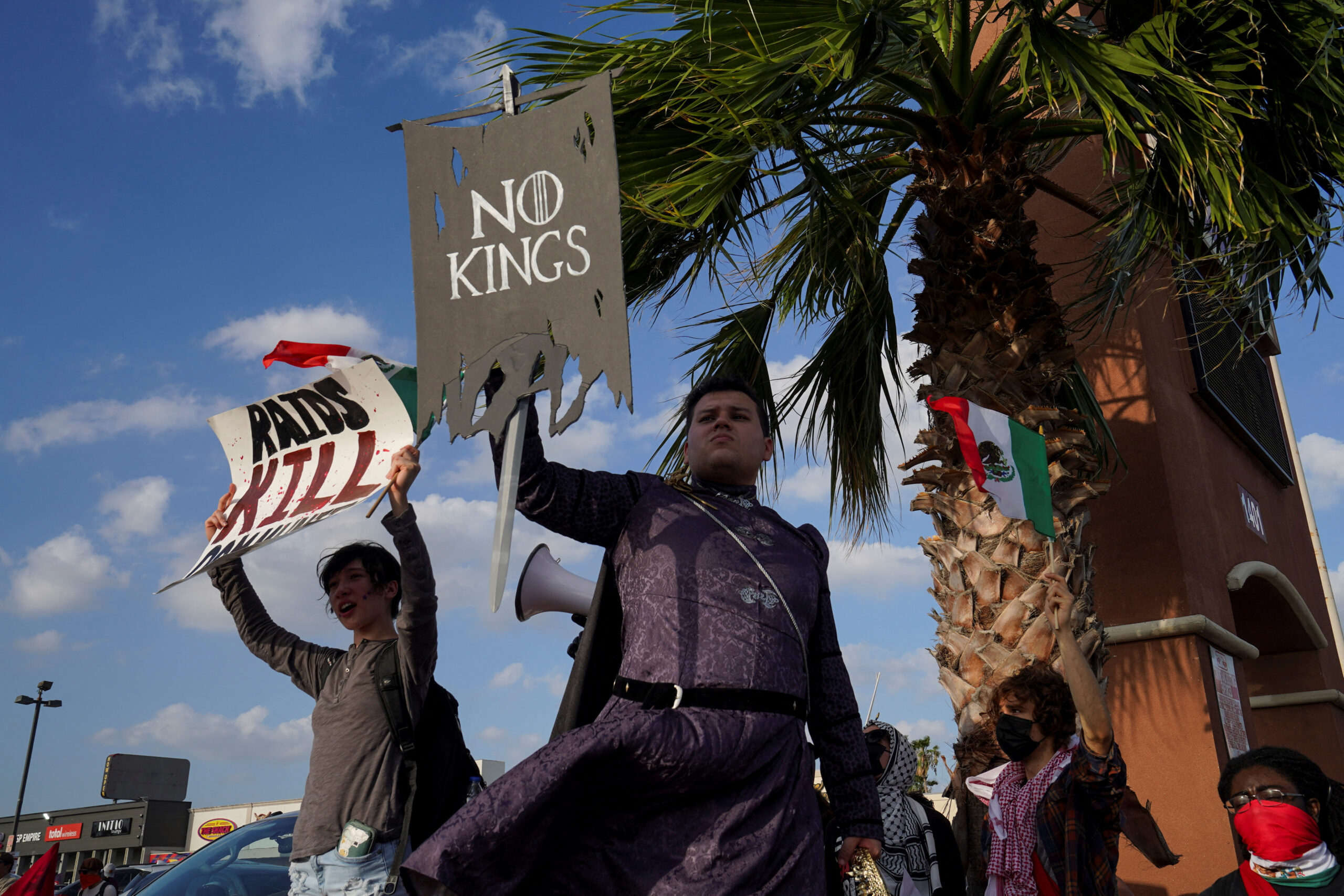
On Chicago’s Morning Answer, Dan Proft spoke with Scott McKay—publisher of The Hayride, senior editor at The American Spectator, and author of Racism, Revenge, and Ruin—about a wave of recent incidents tied to left-wing political violence, the broader cultural climate, and shifting dynamics in both politics and media.
Rising Political Violence and Cultural Tensions
McKay argued that violence tied to far-left activism has escalated, pointing to attacks on ICE facilities, a firebombing case in California inspired by Hamas’s October 7th attack, and even assaults at pro-life rallies. He said these events reflect a growing inability of radical activists to handle ideological rejection, particularly on college campuses where figures like Charlie Kirk built influence by debating progressive professors and exposing left-wing orthodoxy to viral audiences. In McKay’s view, the resulting backlash has revealed how brittle some activists are when forced to defend ideas he described as “discredited.”
The Prospect of a Government Shutdown
The conversation also turned to Washington, where McKay suggested that Senate Majority Leader Chuck Schumer may once again be cornered in budget negotiations. With federal appropriations deadlines looming, McKay noted that a shutdown would allow Republicans to reset the budget process under “regular order,” potentially stripping Democrats of leverage and exposing their reliance on discretionary funding for programs aligned with progressive priorities. He predicted Schumer could be forced into another retreat, with consequences for his leadership.
Media Shifts and the Jimmy Kimmel Fallout
McKay also discussed the uncertain future of late-night host Jimmy Kimmel following his suspension and partial return. He explained that while Disney-owned affiliates have restored Kimmel, others—including stations owned by Sinclair and Nexstar—have not, reflecting growing tension between national networks and local broadcasters. Affiliates, he said, resent being forced to air “woke programming” that alienates their local advertisers and audiences. McKay suggested that if affiliates begin asserting independence, it could mark the beginning of a larger shift away from the dominance of major media conglomerates, a theme he explores in his latest Mike Hullman novel, Blockbusters.
Looking Ahead
For McKay, the threads connecting these issues are rejection of cultural orthodoxy and the political left’s struggle to adapt. From declining influence on campuses to media disruption and political standoffs in Washington, he argued that the old structures of control are weakening—and those who depended on them are responding poorly, sometimes violently.