




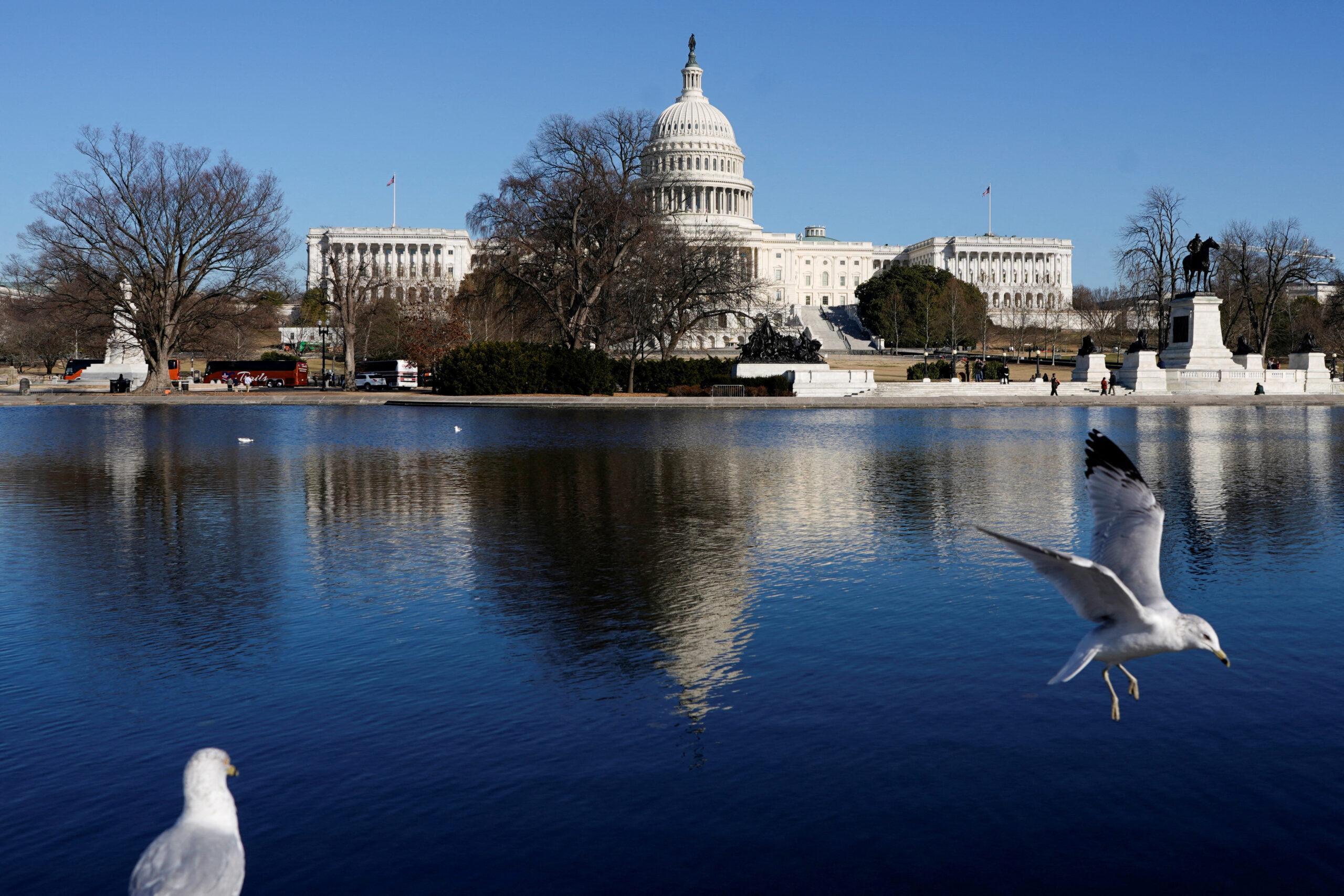
Political commentator Scott McKay, publisher of The Hayride, senior editor at The American Spectator, and author of the new novel Blockbusters, joined guest host Chris Krok on Chicago’s Morning Answer for a wide-ranging discussion that touched on the aftermath of the shutdown, the looming fight over Obamacare subsidies, and the internal struggles defining both parties as election season approaches.
McKay opened by addressing the recent government shutdown, which drew theatrical national headlines and, as he described it, “six weeks of Barnum and Bailey.” While Democrats publicly insisted Republicans were at fault, McKay argued the shutdown ultimately damaged Democrats more, noting the anger among their own base after the party agreed to reopen the government without significant concessions. McKay said Democratic leaders prolonged the standoff largely to preserve political momentum ahead of key elections, particularly in Virginia, where he argued federal workers affected by the shutdown became a motivated and disproportionately Democratic voting bloc. “They couldn’t afford to lose Virginia this year,” McKay said, pointing to high-stakes races featuring a slate of candidates he called “deeply flawed” but electorally dependent on a large federal workforce.
Looking ahead to December—when Congress is scheduled to vote on the future of Obamacare subsidies—McKay expressed strong skepticism that meaningful reform can emerge in time to prevent soaring premiums in 2025. He argued that the Affordable Care Act was designed from the start as a slow-moving “time bomb,” structured to strain the private health system to the point where single-payer would appear to be the only remaining solution. With subsidies scheduled to expire because Democrats previously opted not to fund them permanently, McKay said many households making surprisingly high incomes now receive government-funded assistance. “A family of four in Phoenix making $600,000 shouldn’t be getting subsidized health care,” McKay said, adding that the current system “is exactly what its architects intended.”
Asked whether Republicans will hold firm or cave under pressure, McKay predicted some form of temporary extension may be necessary to avoid a political disaster in an election year, particularly for lower-income households facing sudden, dramatic premium hikes. But he was doubtful that Senate Republicans—citing moderates such as Susan Collins, Lisa Murkowski, and Mitch McConnell—would support a full repeal-and-replace bill even if they held the votes. “You should have no faith in these people,” McKay said.
The discussion then shifted to the filibuster, with McKay outlining a middle-ground approach between preserving the existing rules and completely abolishing them. He said Republicans could pursue a “real,” continuous talking filibuster—forcing Democrats to physically sustain speeches on the Senate floor—rather than relying on procedural holds that rarely require senators to engage directly. McKay argued this tactic could expose political vulnerability among Democratic senators while preserving institutional norms. Still, he warned that any approach must account for the Senate GOP’s narrow margins and internal divisions.
In a brief exchange on the recently released Epstein documents, McKay noted the absence of any substantive allegations against former President Trump and said the continued redactions likely reflect false claims, privacy issues for victims, and legal constraints around sealed court records. “It’s frustrating as hell,” he acknowledged, but added that victims’ wishes and the presence of unfounded accusations complicate any immediate full release.
McKay closed by emphasizing that the coming months will test Republican resolve on health care, spending, and legislative procedure. Whether the party rises to the moment—or repeats past concessions—will determine how both the shutdown fallout and the upcoming Obamacare vote reshape the political landscape heading into 2025.