




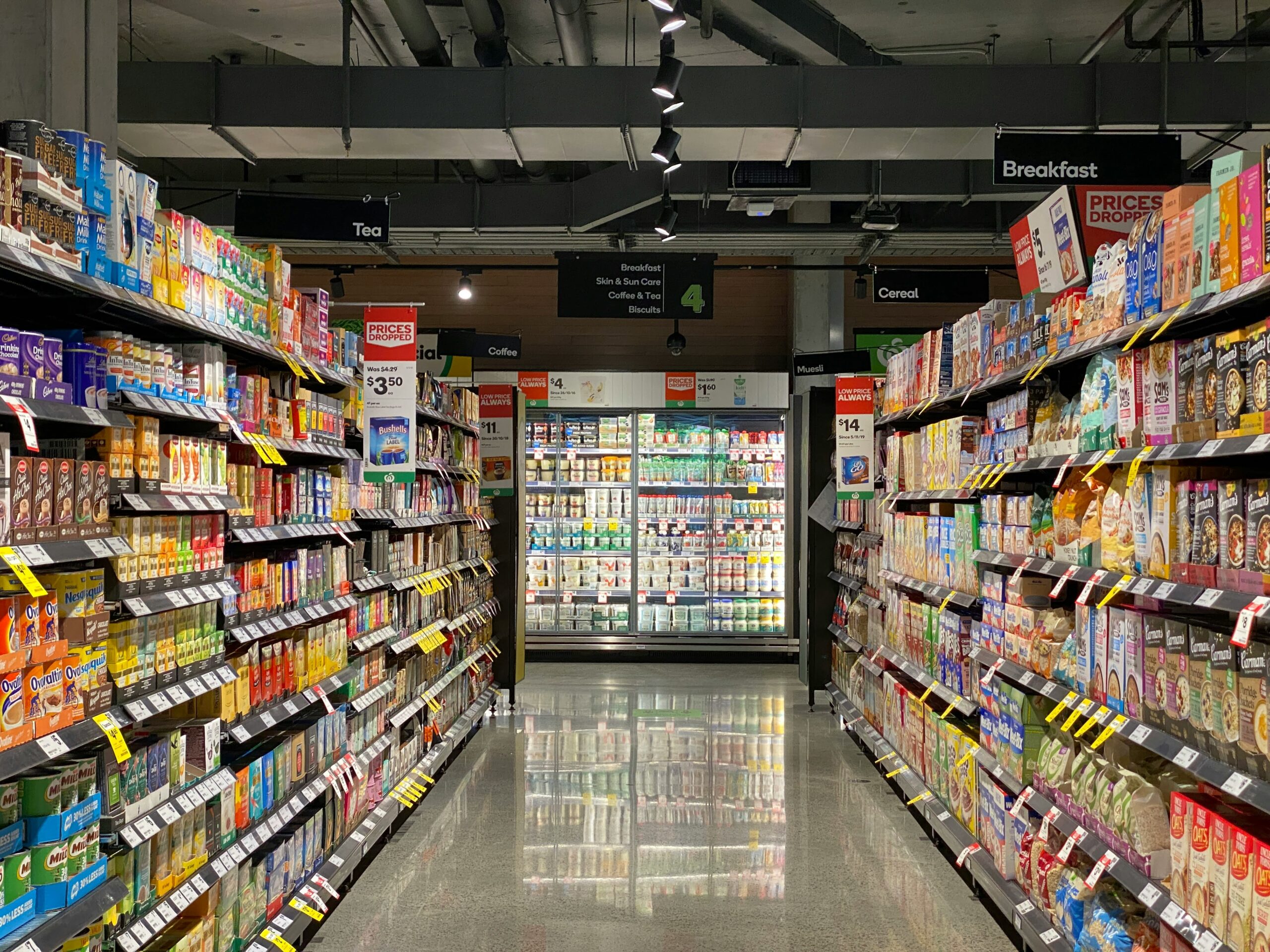
Economist Stephen Moore joined Chicago’s Morning Answer with Dan Proft to discuss the failure of Kansas City’s taxpayer-funded grocery store and the broader economic lessons it offers.
Moore pointed to the collapse of Sunfresh, a city-operated grocery store that cost $17 million to acquire and redevelop, plus millions more in subsidies, rent relief, and legal settlements. Despite heavy public investment, the store struggled with poorly stocked shelves and low customer satisfaction before closing earlier this year. Moore argued that unlike private businesses, which close when they fail, government projects often absorb more public money to stay afloat—prolonging inefficiency.
He likened the situation to failing public schools that continue operating despite poor results, contrasting them with the market discipline faced by private schools. Moore noted that food deserts in cities are often a result of crime and poor neighborhood conditions, which drive away private retailers. Efforts to bring in large chains, like Walmart, are sometimes blocked by the same local leaders who later decry the lack of access to fresh food.
The conversation also touched on the Department of Labor’s finding that graduates of registered apprenticeships earn more on average than those with four-year college degrees. Moore criticized universities that charge high tuition for degrees with limited job prospects, suggesting that schools—not taxpayers—should cover the cost when graduates cannot repay student loans.
Turning to national policy, Moore opposed Donald Trump’s suggestion that Goldman Sachs fire its chief economist over a tariff analysis, saying presidents should not pressure private companies on personnel decisions. He also welcomed state investigations into what critics call the “climate cartel,” a network of nonprofits and financial institutions accused of manipulating markets and imposing costly renewable energy mandates.
Moore warned that renewable portfolio standards in states like Illinois, New Jersey, and California drive up utility bills, and raised concerns about “smart grid” technology being used to control household energy use remotely. He urged listeners to prepare for potential grid instability if current energy policies continue.
Moore concluded that whether in grocery stores, education, or energy, government intervention often creates inefficiency and higher costs, while market-driven solutions remain the most effective path to long-term success.
Photo by Franki Chamaki on Unsplash