




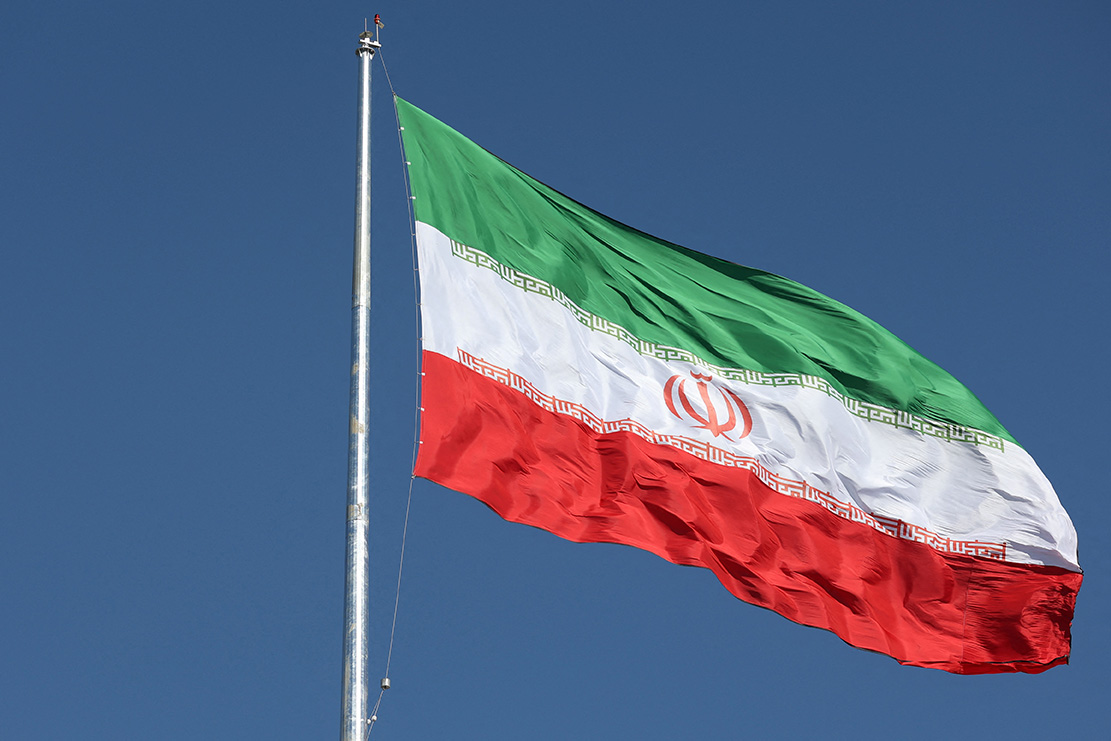
National security expert Steven Bucci joined host Dan Proft to assess the strained relationship between the United States and Iran following recent airstrikes on Iran’s nuclear infrastructure. The interview came in the wake of Iranian President Masoud Pezeshkian’s appearance on Tucker Carlson’s program, where the leader attempted to downplay Iran’s past threats and actions toward the U.S., prompting skepticism from analysts and observers.
Bucci, a former Pentagon official and Special Forces officer, dismissed Pezeshkian’s comments as propaganda on par with the infamous misinformation of Iraq’s “Baghdad Bob.” The Iranian president claimed chants of “Death to America” should not be taken literally and denied that recent fatwas against former President Donald Trump represented a threat. But Proft pointed to reporting from the Middle East Media Research Institute that detailed a $40 million bounty raised by an Iranian-linked group, the Blood Covenant, for Trump’s assassination. That organization reportedly operates under the influence of senior Iranian clerics, directly contradicting Pezeshkian’s assertions.
Bucci argued that Iran’s leadership is engaged in a long-running pattern of disinformation designed to stall international pressure and resume nuclear development. He believes Tehran is reeling from recent Israeli and U.S. strikes and now seeks a reprieve to regroup and restart its program, as it has done in the past. He expressed doubt that any meaningful negotiations should proceed until Iran shows real transparency and accountability.
Discussing broader security issues, Bucci also commented on the state of the war in Ukraine. He voiced concern that if the U.S. were to significantly reduce logistical and military aid to Ukraine, the country could quickly fall into deeper jeopardy against Russian forces. With frontlines largely frozen, Bucci emphasized the importance of continued support while also suggesting that scaling up U.S. munitions production could prevent resource shortfalls that might jeopardize readiness against other threats like China.
Bucci also addressed criticisms that the Trump administration has failed to rebuild the military as promised. A recent Wall Street Journal editorial questioned whether the current defense spending strategy is sufficient to meet future challenges. Bucci countered that the foundational work to rebuild America’s defense posture is underway but complicated by years of underinvestment and the limited industrial capacity to produce major assets like tanks and ships.
On domestic matters, Bucci took issue with recent layoffs at the State Department that were met with internal protests and signs promoting anti-fascism and bureaucratic resistance. He argued that displays of entitlement and politicization from federal employees reflect a deeper problem of ideological capture within U.S. institutions.
Finally, Bucci addressed lingering speculation about Jeffrey Epstein’s potential ties to intelligence agencies. While acknowledging that many high-level figures in various sectors had interactions with Epstein, Bucci cautioned against conspiracy theories that suggest active CIA involvement. Instead, he attributed much of the government’s lack of accountability in the case to a combination of bureaucratic dysfunction and incompetence.
Bucci’s commentary painted a picture of a world in flux, with shifting threats abroad and unresolved questions at home. His overarching message: strategic clarity, institutional accountability, and vigilance are needed now more than ever.