




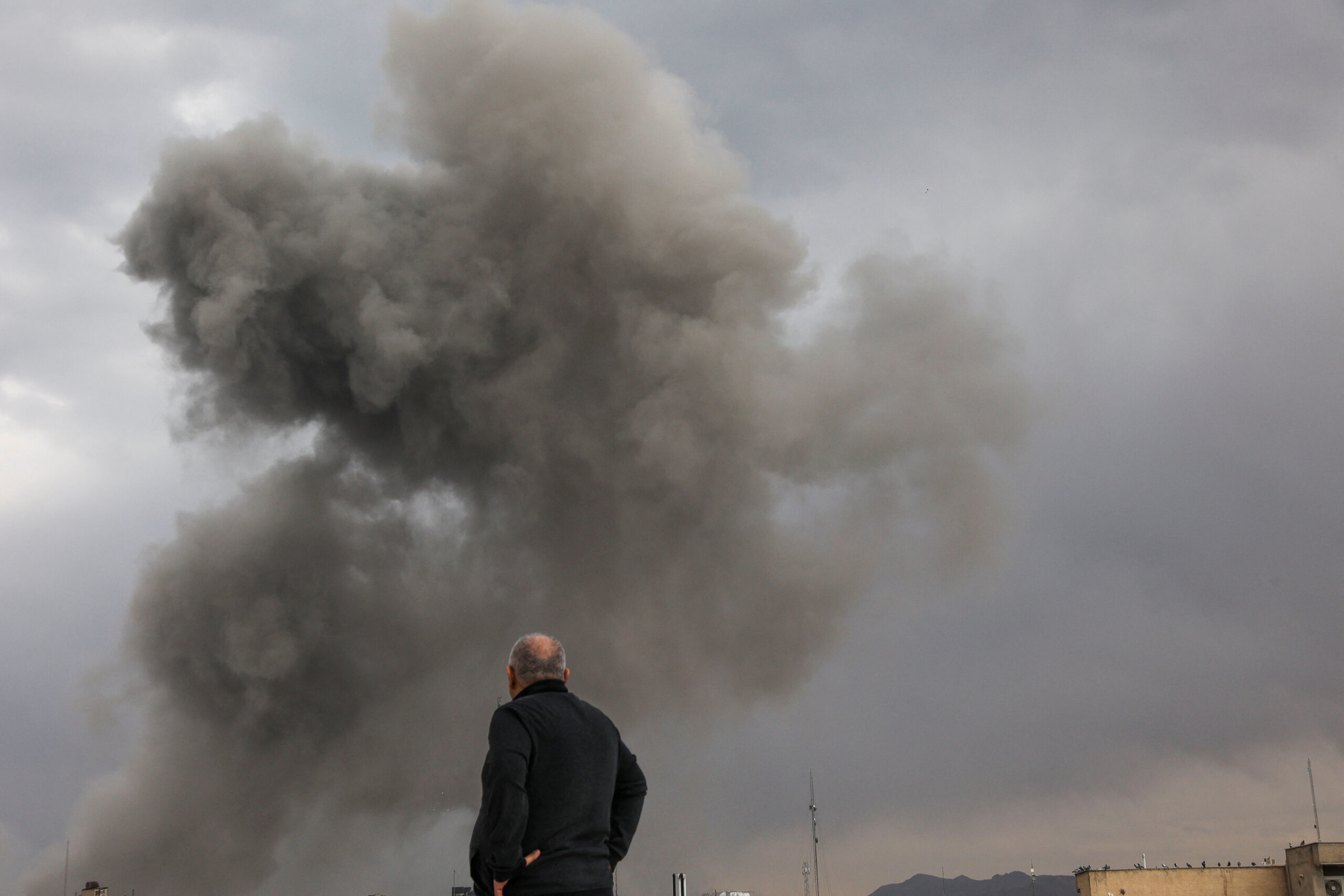
Uncertainty over who could govern Iran in the event of regime collapse—and whether a new leadership could pivot the country away from its current alliances—was at the center of a Chicago’s Morning Answer conversation between Dan Proft and Steven Bucci, a visiting fellow at the Heritage Foundation’s Allison Center for Foreign Policy Studies and a former Army Special Forces officer and senior Pentagon official.
The discussion followed renewed attention on “Operation Epic Fury,” the administration’s ongoing military campaign against Iran, and a broader public debate about what could come after the current ruling structure if pressure on Tehran continues. Proft opened by noting the emerging focus on succession scenarios, citing public remarks from Sen. Tom Cotton that the destruction of Iran’s missile arsenal is a primary objective and that predicting a post–Supreme Leader Iran is difficult given jockeying inside the regime and the absence of a clear succession plan.
Proft also referenced competing figures positioning themselves for a post-regime future, including former officials still issuing hardline rhetoric and Reza Pahlavi, the son of Iran’s last shah, who has portrayed himself as a potential transition leader from exile. Proft raised questions about how broad Pahlavi’s support is inside Iran and whether a public uprising could produce something more immediate and durable than a slow, elite-managed transition.
Bucci said he doubts any outcome that resembles a rebranded version of the current system would satisfy the Iranian public. He argued that an arrangement in which regime insiders shed their religious garb for Western dress would not be credible, even if those figures promised concessions like ending nuclear enrichment, abandoning ballistic missiles, or halting support for proxy groups. Bucci said he would not trust such actors and believes Iranians would likely reject them as well.
On Pahlavi, Bucci was cautious. He said exile-based leaders often “brief well” but do not always align with what people inside the country want, pointing to prior U.S. experiences in Iraq, where expatriate political figures were not necessarily embraced domestically once conditions on the ground shifted. Bucci said it remains possible Pahlavi could be embraced, but he emphasized that the question is unresolved.
Bucci suggested a third possibility: an internal figure, not yet widely known internationally, could emerge amid turmoil and rally public support for a new democratic structure that breaks from both monarchy and the clerical regime. He argued that any durable transition would need to be seen as coming from inside Iran rather than being installed by the United States. Bucci said intelligence agencies may have analyzed potential pathways, but he argued they would be unlikely to publicly signal preferred outcomes to avoid the appearance of imposing a government.
Proft and Bucci also discussed how a new Iranian leadership would likely have to revisit Tehran’s relationships with global powers, particularly China. Bucci said Iran would not need to remain dependent on Beijing if it stopped directing resources toward external militancy and advanced weapons programs. He framed a potential shift away from China as having broader strategic consequences, including reducing leverage for adversaries like Russia while opening economic possibilities tied to normalizing Iran’s place in the global market.
Asked whether the current campaign—if sustained for the four weeks Proft said the president has publicly described—would almost certainly yield regime change, Bucci said he believes it would. He said he does not expect the clerical leadership to survive a prolonged operation aimed not at symbolic punishment but at dismantling leadership and military capabilities that Washington and Israel consider threats. Bucci characterized the campaign as “pulling the root,” rather than executing a limited strike meant to degrade facilities and then allow rebuilding.
Proft then turned to Iran’s retaliation, describing it as comparatively limited. Bucci agreed, calling it both “anemic” and reflective of a pre-planned contingency response activated under duress. He suggested the actions resemble “death throes” more than a coordinated counter-campaign, arguing that Iran is expending missiles rapidly for limited strategic effect and that U.S. and Israeli air dominance is enabling rapid targeting of launchers as they appear. Bucci said he expects the pace of retaliation to diminish as stockpiles thin and as launch assets are struck quickly.
The conversation also touched on domestic political criticism of the operation, particularly the argument that Iran posed no “imminent threat” to the United States and that the president should have sought broader congressional buy-in. Proft cited remarks from Sen. Adam Schiff reflecting that line of critique. Bucci rejected that framing, arguing that Iran has posed a long-running threat through attacks and proxy warfare, citing historic incidents and Iranian-linked weapons used against U.S. forces. He also contended that operational secrecy was necessary and suggested some members of Congress would have risked compromising the mission if consulted in advance.
As the campaign continues and questions about Tehran’s stability intensify, the interview underscored a central uncertainty shaping both policy and public debate: even if Iran’s current leaders fall, the identity of what follows—and whether it represents a true break from the regime’s ideology and alliances—remains unresolved.