




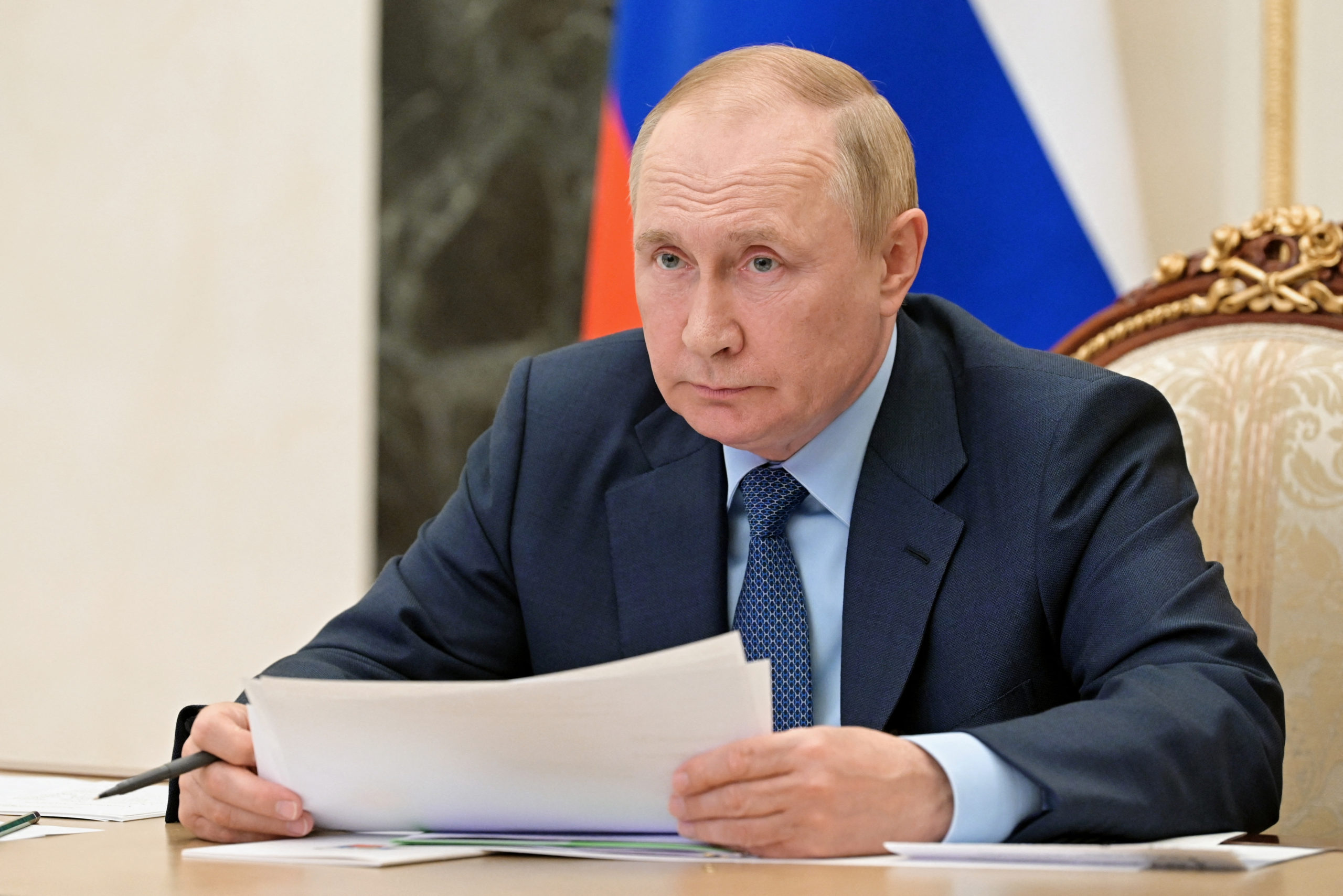
Former Army Special Forces officer and Pentagon official Steven Bucci joined Chicago’s Morning Answer with Dan Proft to weigh in on President Trump’s latest foreign policy moves — from a planned meeting with Vladimir Putin in Alaska to developments in Gaza and a new directive targeting Latin American drug cartels.
The upcoming Trump–Putin talks, which could involve Ukrainian President Volodymyr Zelensky, are aimed at securing peace in Eastern Europe through a possible territorial swap. Trump has signaled that some land exchanges may be necessary, but Bucci urged caution. He said Putin is a notoriously unreliable negotiator who will only make real concessions if he feels significant pressure. While Trump’s push for dialogue is a positive step, Bucci warned that a “crappy deal” could lead to only a temporary pause before Russia resumes aggression.
Bucci noted that Putin remains far from achieving his goal of controlling all of Ukraine and is facing domestic strain, including forced conscriptions and outreach to North Korea for fighters. Still, Russia currently holds a stronger position militarily, and Bucci said Trump must be “bluntly honest” in talks, making clear U.S. interests — such as existing mineral-sharing arrangements with Ukraine — will be defended.
On Gaza, Bucci discussed Israeli Prime Minister Benjamin Netanyahu’s plan for a temporary military occupation to eliminate remaining Hamas strongholds and recover hostages. Critics have called it a broken promise, but Bucci argued the move is a tactical necessity. He said the plan also challenges the Muslim world to take responsibility for post-conflict governance, something no country has yet volunteered to do.
Bucci criticized both European leaders and a small faction within the American conservative movement who have opposed Israel’s actions, calling it a troubling shift away from recognizing the ongoing “civilizational fight” against Islamist terrorism. He linked this opposition to a similar reluctance to support Ukraine, noting that it is coming from voices he would normally agree with on other issues.
Turning to Trump’s order for the Pentagon to use military force against designated terrorist drug cartels in Latin America, Bucci expressed skepticism. While limited, targeted missions could be effective, he warned against large-scale operations, citing the cartels’ size, resilience, and willingness to fight to the death. He said any overreach could lead to unnecessary American casualties without solving the underlying problem.
Bucci, now a visiting fellow at the Heritage Foundation’s Allison Center for Foreign Policy Studies, said the coming weeks will test Trump’s ability to balance political pressures at home with hard-nosed realism abroad. “All of us want to see peace and security,” he said, “but getting there requires more than quick wins — it demands deals that will hold.”