




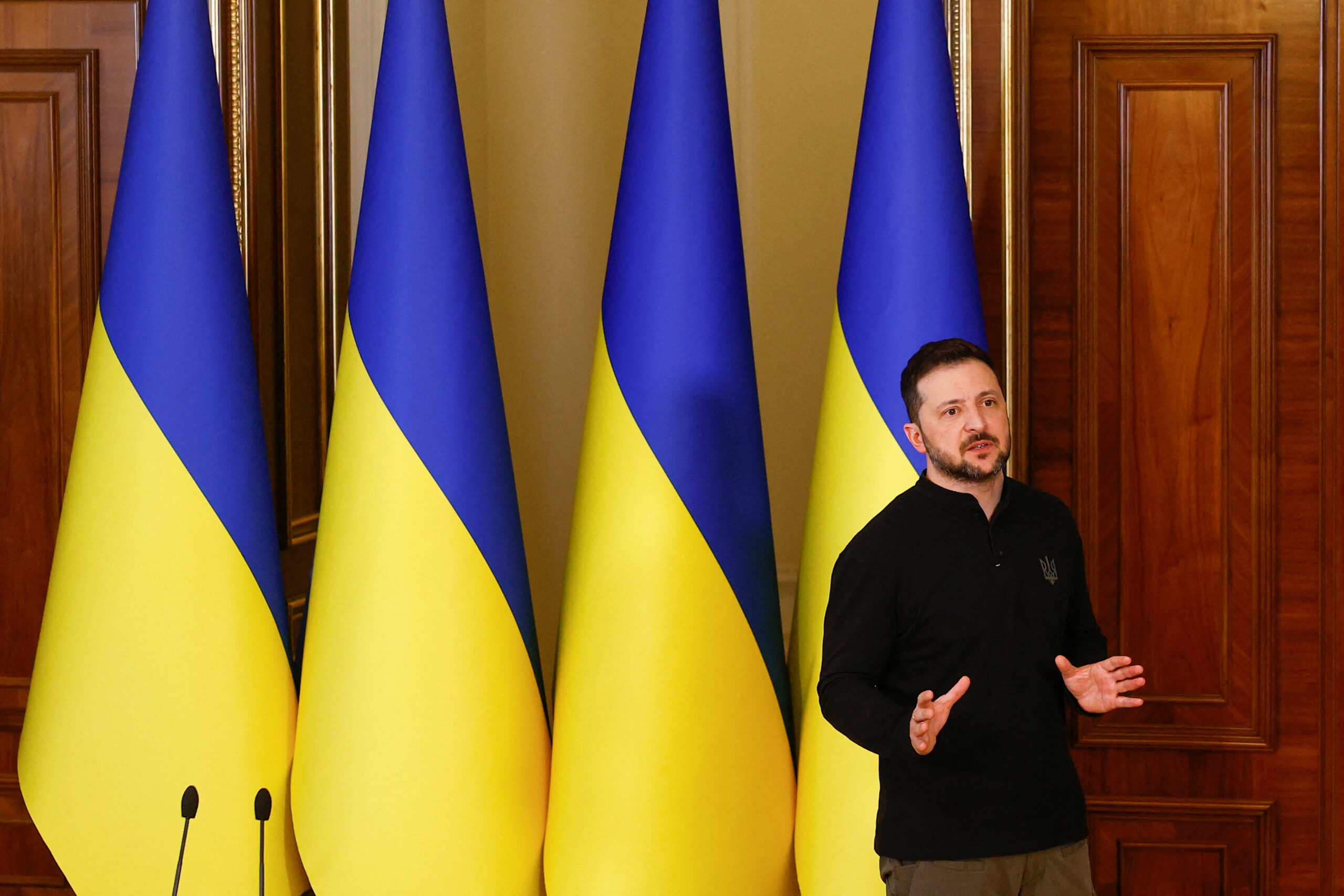
A proposed 28-point peace framework for Ukraine circulating after meetings in Geneva has triggered fierce debate in Washington and abroad—and according to national security expert Steven Bucci, much of the public confusion stems from the way the plan is being portrayed. Speaking with host Dan Proft on Chicago’s Morning Answer, Bucci said parts of the proposal look uncomfortably similar to “Russia’s opening bid,” and he urged the administration to trim back concessions that amount to Ukrainian capitulation.
The draft outline, which would cap Ukrainian troop levels, formally cede Crimea to Russia, bar Ukraine from joining NATO, and hand over much of the Donbas, drew strong criticism from both Republican and Democratic establishment voices. Senate Intelligence Chair Mark Warner likened it to an historic blunder, while others warned that rewarding Russian aggression could embolden China in the Pacific. Bucci agreed that the terms, as publicly described, appear lopsided: “This sounds like Russia’s negotiation paper, not a serious U.S. proposal,” he said. Though Secretary of State Marco Rubio has insisted that the meetings in Geneva produced the “best day of progress” so far—with both Kyiv and Moscow engaged—Bucci said the version of the deal circulating publicly “smells like capitulation” and must be significantly re-balanced to protect Ukraine’s security.
Bucci outlined several ways to make the plan more realistic: allowing Ukraine to keep more of the territory it currently controls, raising limits on its military force posture, eliminating restrictions on weapons procurement, and establishing a buffer zone that forces any future Russian aggression to occur on Russian-held land rather than Ukrainian cities. Without such adjustments, he warned, the proposal risks incentivizing Vladimir Putin to continue attacking civilian infrastructure in an effort to wring additional concessions from the West. “Putin chooses to be ill-informed when it suits him,” Bucci said. “If he perceives desperation for peace at any price, he’ll push harder.”
The interview then turned to another major geopolitical development: the Trump administration’s newly announced directive instructing U.S. embassies to report on the security and human-rights consequences of mass migration. The State Department memo warns that uncontrolled migration has fueled crime spikes, terror incidents, and community displacement across Europe and North America. It also urges allied governments to protect citizens who raise concerns rather than punishing them for dissent. Bucci said the report marks a serious shift after years of political avoidance: “This is calling a spade a spade. It’s not right-wing propaganda—it’s what people on the ground have been saying for years.” He argued that Western governments, including the U.S., must confront criminal networks that have exploited migrant communities and reverse policies that silence public alarm about rising instability.
Finally, Bucci criticized a controversial video released by a group of Democratic socialist lawmakers—many of them veterans—reminding troops they need not obey unlawful orders. The lawmakers have failed to identify any such orders, instead offering shifting explanations involving Caribbean strikes, domestic deployments, and hypothetical election-related scenarios. Bucci said the video was a “contrived political stunt” that risks undermining discipline within the military. “If some young sergeant refuses a lawful order because he believes this nonsense, he’s the one who pays the price—not the politicians who planted the idea,” he said. Attempts by Rep. Elissa Slotkin and others to reframe the video as a harmless civics reminder, he added, were “weak tea” after veterans, active-duty personnel, and even some media outlets condemned it.
As the U.S. navigates simultaneous crises—from war in Eastern Europe to border pressures at home—Bucci said clarity is essential. That means calling out proposals that lean too far toward adversaries, acknowledging hard truths about migration, and rejecting political theatrics that compromise military cohesion. “People deserve honesty about what’s at stake,” he said. “We can’t afford to get these issues wrong.”