




U.S. pressure on Venezuela and Cuba, along with the grinding war in Ukraine, framed a wide-ranging national security discussion on Chicago’s Morning Answer as guest host Chris Krok spoke with Steven Bucci, a retired Army Special Forces officer and former Pentagon official now serving as a visiting fellow at the Heritage Foundation.
Bucci said the Trump administration’s renewed focus on Venezuela reflects a long-overdue recognition that the Maduro regime represents more than a regional nuisance. He described Venezuela and Cuba as strategic hubs for hostile actors including Iran, Russia, China, Hezbollah, and other terrorist and criminal networks that use the region as a staging ground into the Western Hemisphere. In Bucci’s view, the previous U.S. approach of avoiding confrontation allowed these threats to deepen and expand, at the expense of American and regional security.
Citing analysis from the Wall Street Journal, Bucci agreed that Venezuela’s collapse would likely have immediate consequences for Cuba, which depends heavily on Venezuelan oil while providing intelligence and security expertise to Caracas. He characterized both governments as adversaries of the United States and of democratic nations across the Americas, arguing that U.S. action to disrupt drug trafficking, terrorism, and illicit oil shipments is justified and broadly supported by the American public.
Bucci acknowledged that removing Nicolás Maduro could create short-term uncertainty, but he expressed confidence that Venezuela has the human capital and institutional memory to recover if given support. He said the country’s decline is the result of corruption and repression, not a lack of capable citizens, and predicted that a post-Maduro government could eventually reemerge as a productive partner in the region, though not without sustained international engagement.
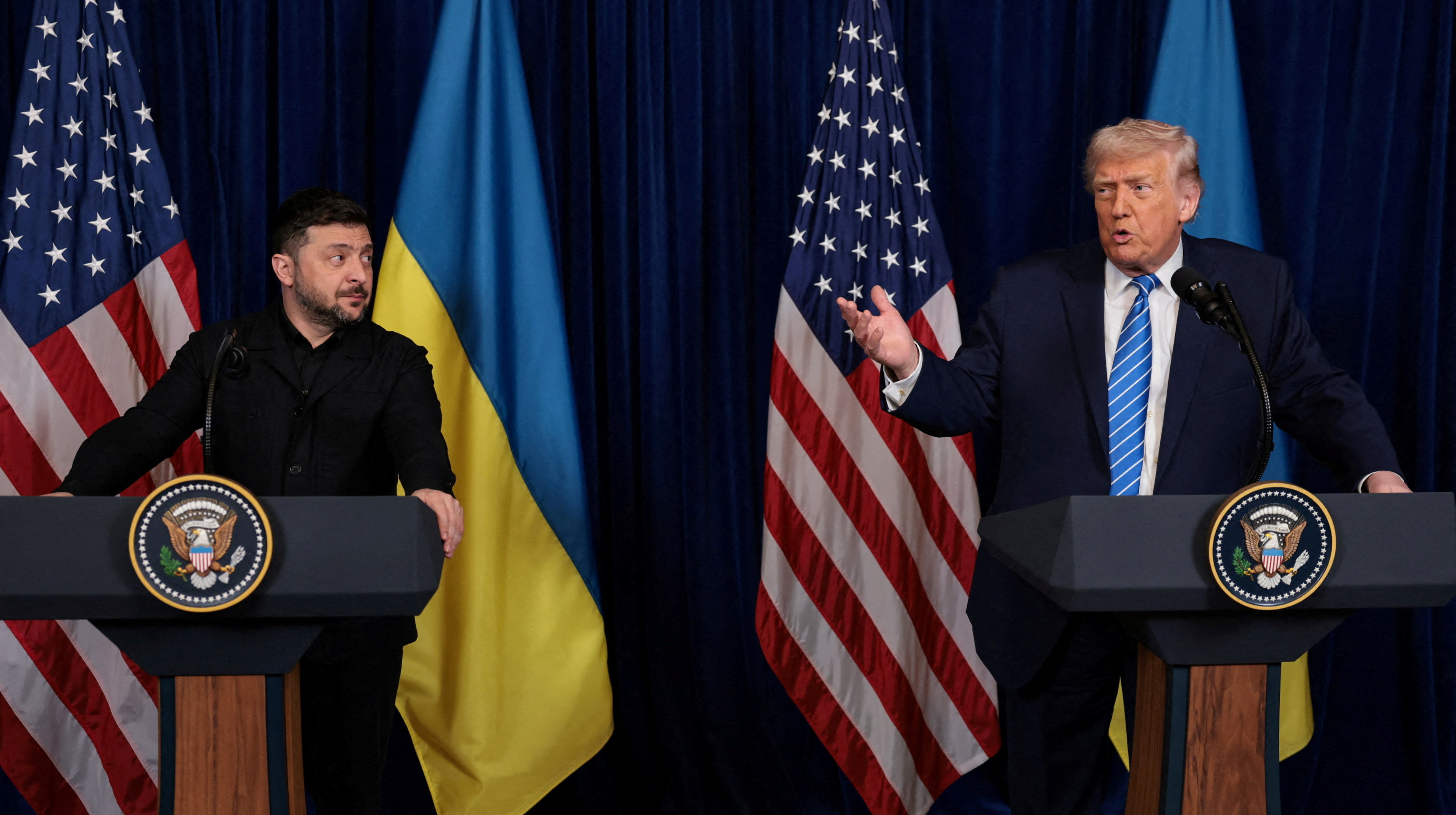
The conversation then turned to Ukraine, where Bucci offered a notably cautious assessment of diplomatic efforts involving President Trump, Ukrainian President Volodymyr Zelensky, and Russian President Vladimir Putin. He said there is little evidence that Putin is prepared to negotiate in good faith, warning that any agreement would likely amount to a temporary pause rather than lasting peace. Bucci emphasized that Putin has repeatedly shown a willingness to absorb massive casualties and economic costs to achieve territorial ambitions.
According to Bucci, concessions over Ukrainian land risk setting the stage for future aggression, as Russia could use any ceasefire to regroup and renew its offensive. He expressed skepticism about proposed peacekeeping forces, noting that such missions tend to fail when one side has no real interest in peace, and cautioned that deploying troops under those conditions would expose them to serious danger with limited strategic benefit.
Bucci also addressed the mood inside Ukraine, suggesting that while national resolve remains strong, prolonged suffering has clearly taken a toll. He said portions of the population appear increasingly exhausted by daily attacks on civilian infrastructure and may be more open to compromise than earlier in the war, even if the idea of surrendering territory remains deeply painful.
Throughout the discussion, Bucci stressed that both crises underscore the costs of delayed action and wishful thinking in foreign policy. Whether confronting hostile regimes in the Western Hemisphere or managing a brutal war in Eastern Europe, he argued that adversaries respond not to rhetoric but to resolve, clarity, and sustained pressure.