




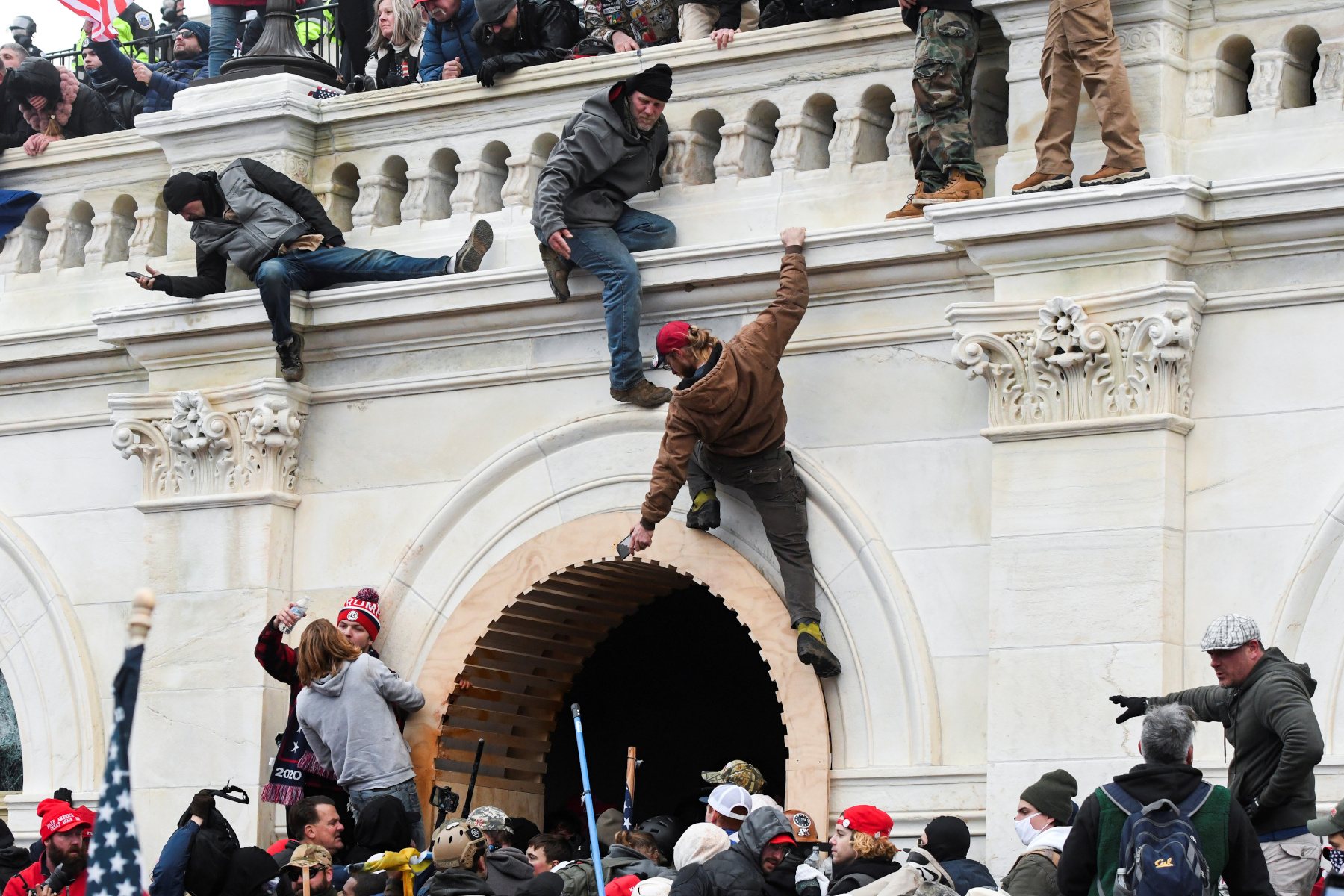
On Chicago’s Morning Answer, Dan Proft spoke with Steven Sund, former chief of the U.S. Capitol Police and author of Courage Under Fire, about federal law enforcement operations in major cities and lingering questions about January 6.
Federal Task Forces and Crime Reduction
Sund, who spent over 25 years with the D.C. Metropolitan Police, said joint task forces combining federal agents with local police are nothing new—and they work. He pointed to operations in Washington, D.C. that have cut carjackings by 87 percent and homicides by 57 percent. Sund noted that residents in high-crime neighborhoods overwhelmingly welcome the added presence. Agents patrolling tourist areas like Georgetown and the National Mall have been thanked by roughly 85 percent of people they encounter. The loudest critics, Sund argued, tend to be political activists or individuals with “unhinged” hostility toward law enforcement.
Disconnect Between Politicians and Residents
Proft and Sund agreed that many city leaders appear detached from what residents in crime-plagued communities actually want. Sund criticized Illinois Governor J.B. Pritzker and Chicago Mayor Brandon Johnson for opposing federal deployments and suggesting solutions like affordable housing instead of policing. “People aren’t committing carjackings so they can pay a mortgage,” Sund said, underscoring his belief that more immediate enforcement measures are necessary.
January 6: Unanswered Questions
The conversation then turned to Sund’s experience during the January 6 Capitol riot. Sund maintains that the full story has yet to be told, particularly surrounding the discovery of pipe bombs at the RNC and DNC headquarters. He believes those incidents diverted resources and were likely part of a coordinated plan.
Sund also emphasized that he was the only senior official forced to resign after January 6, losing his retirement just months before vesting. He blames then-Speaker Nancy Pelosi and her sergeant-at-arms for denying his requests for National Guard support and later pinning the blame on him. Sund said congressional reports since have substantiated his account, but accountability for leadership decisions remains absent.
Accountability and Mischaracterizations
Sund remains frustrated that Pelosi’s communications and those of other congressional leaders were shielded from scrutiny by the House January 6 committee. He also pushed back against claims that multiple officers were killed that day. He acknowledged that Officer Brian Sicknick died the next day after suffering a stroke, which he considers a line-of-duty death, and that two officers later died by suicide. But he said it is misleading to suggest rioters directly killed police officers, warning that framing suicides as “line-of-duty deaths” could unintentionally send the wrong message to officers under stress.
Looking Ahead
With a new House panel planning additional hearings, Sund said he may testify again. He hopes more details will emerge about pre-riot intelligence, Pentagon communications, and congressional involvement. Until then, he continues to press for a fuller accounting of January 6 and for recognition of the failures that, in his view, unfairly cost him his career.