




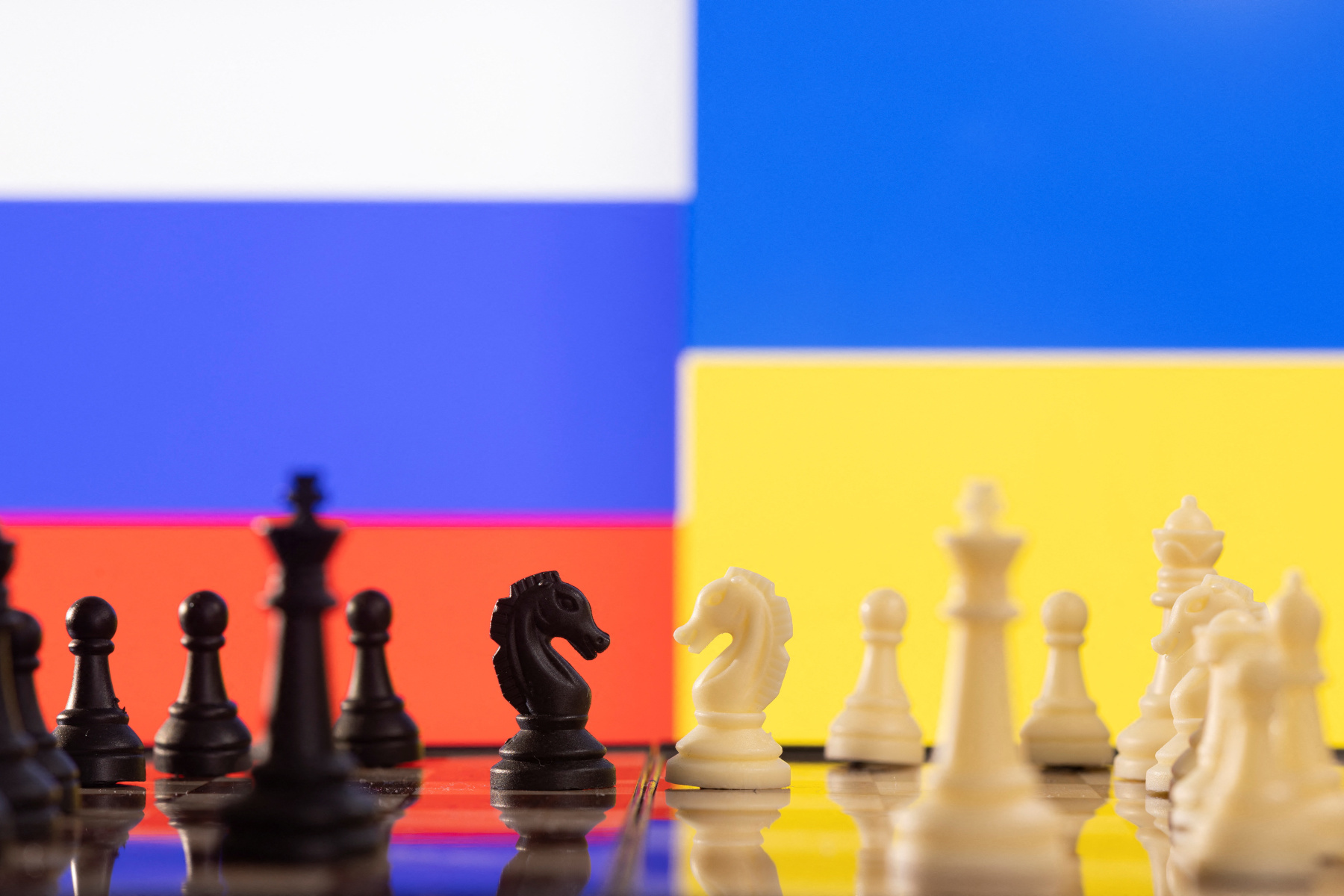
Former President Donald Trump’s comments on Ukraine this week rekindled debate over the future of the war and the pressure on President Volodymyr Zelensky to consider concessions. Trump told reporters he believes it is “time to get that war settled” and suggested Zelensky must “be realistic” about the situation on the ground. He cited Ukrainian polling showing broad public support for a negotiated settlement and questioned why the country has not held an election since the invasion.
The remarks landed amid reports of informal discussions in Florida involving potential frameworks for ending the conflict. Russia was not represented at those meetings, and it remains unclear whether President Vladimir Putin has any genuine interest in a negotiated end to the war. But Trump’s public posture signaled clear impatience with Kyiv, and raised questions about what sort of settlement he would pursue.
Foreign-policy analyst Daniel DePetris, a fellow at Defense Priorities and syndicated columnist for the Chicago Tribune and Newsweek, joined Chicago’s Morning Answer to assess the state of play. DePetris said Trump’s underlying point is not wrong: any end to the war will require Ukraine to compromise on territory, however painful that may be. Zelensky has repeatedly refused to consider ceding land, arguing that rewarding Russian aggression would only ensure more of it.
DePetris described Ukraine’s position as increasingly precarious. Despite Ukraine’s battlefield successes and its ability to blunt Russian advances, Moscow’s advantages remain decisive. Russia has more manpower, more equipment, and more industrial capacity. In a long war of attrition, he said, the stronger side usually prevails. “It’s very depressing for the Ukrainians at the moment,” he acknowledged.
One major question is whether conceding territory would stop the war or merely postpone the next phase. DePetris said Ukrainian fears are well founded. Even if Putin won control of the Donbas region or additional territory, he could rearm and attack again within months or years. Ukraine’s ability to deter Russia in the long term hinges on rebuilding its own military and securing reliable support from partners who have not always delivered on their promises.
Europe, in particular, has faced persistent criticism for the gap between its rhetoric and its contributions. While EU leaders regularly highlight the stakes in Ukraine, several member states have fallen short on military aid commitments and energy sanctions. The Wall Street Journal recently noted that Europe has yet to meet its pledges for ammunition production and defense spending. DePetris said that if Ukraine ultimately falls, Europe will bear a substantial share of the responsibility because Ukraine’s fate matters more to European security than to American security by geography alone.
The conversation then shifted to Venezuela, where the U.S. recently seized a crude oil tanker accused of transporting sanctioned Iranian and Venezuelan oil. DePetris said the action marks a further step in Washington’s escalating pressure campaign against Nicolás Maduro. While some analysts have speculated that China’s refinery interests in the region are driving U.S. strategy, DePetris believes the primary objective is still regime pressure and cutting into Maduro’s financial lifelines. He noted that Trump has not yet decided how far he intends to go in Venezuela and said reporting on possible military options remains speculative.
Trump also made waves with comments about Colombian president Gustavo Petro, saying Petro “better wise up” about drug production or risk being “next” in U.S. enforcement actions. DePetris attributed the remark largely to Trump’s off-the-cuff style, cautioning that Colombia remains a vital U.S. intelligence partner in counter-narcotics operations. With Petro term-limited and set to leave office next year, DePetris advised patience rather than escalation.
Finally, the interview touched on the administration’s newly released national security strategy, which has drawn predictable criticism from parts of the Washington foreign-policy establishment. Some commentators seized on the document’s frank assessment of Europe’s defense shortcomings and its rejection of the familiar “rules-based international order” language. Critics claimed the tone was too soft on Russia, pointing to favorable public comments by Russian officials. DePetris dismissed those reactions as reflexive and misplaced. He said the strategy is imperfect but grounded in reality rather than aspirational slogans, and its call for Europe to assume more responsibility for its own security reflects a long-overdue course correction rather than any concession to Moscow.
As the war in Ukraine drags on with no clear path to victory for Kyiv, the strategic debate in Washington is sharpening. Trump’s remarks represent a growing faction arguing for a negotiated endgame, while Zelensky and many of Ukraine’s supporters insist that compromise would only invite future aggression. DePetris’s analysis suggests that the next phase of the conflict may hinge less on battlefield outcomes than on political decisions made in Washington, Kyiv, and Europe—and on whether Ukraine’s allies can sustain the commitments they have been slower to meet than to announce.