




The Trump administration has intensified its campaign against Iran by expanding financial sanctions aimed at crippling the regime’s access to revenue and hard currency, a strategy officials say is already producing visible economic stress inside the country. New measures include a 25 percent tariff on any nation that continues doing business with Iran, alongside stepped-up efforts by the U.S. Treasury to track and seize funds moved through international banks and digital assets.
Administration officials argue the pressure campaign is accelerating a financial collapse within Iran, marked by failing banks, soaring inflation, and shortages of hard currency. Treasury officials say they are also detecting large sums being moved out of the country by senior figures tied to the regime, signaling concern among Iran’s leadership about the durability of its hold on power.
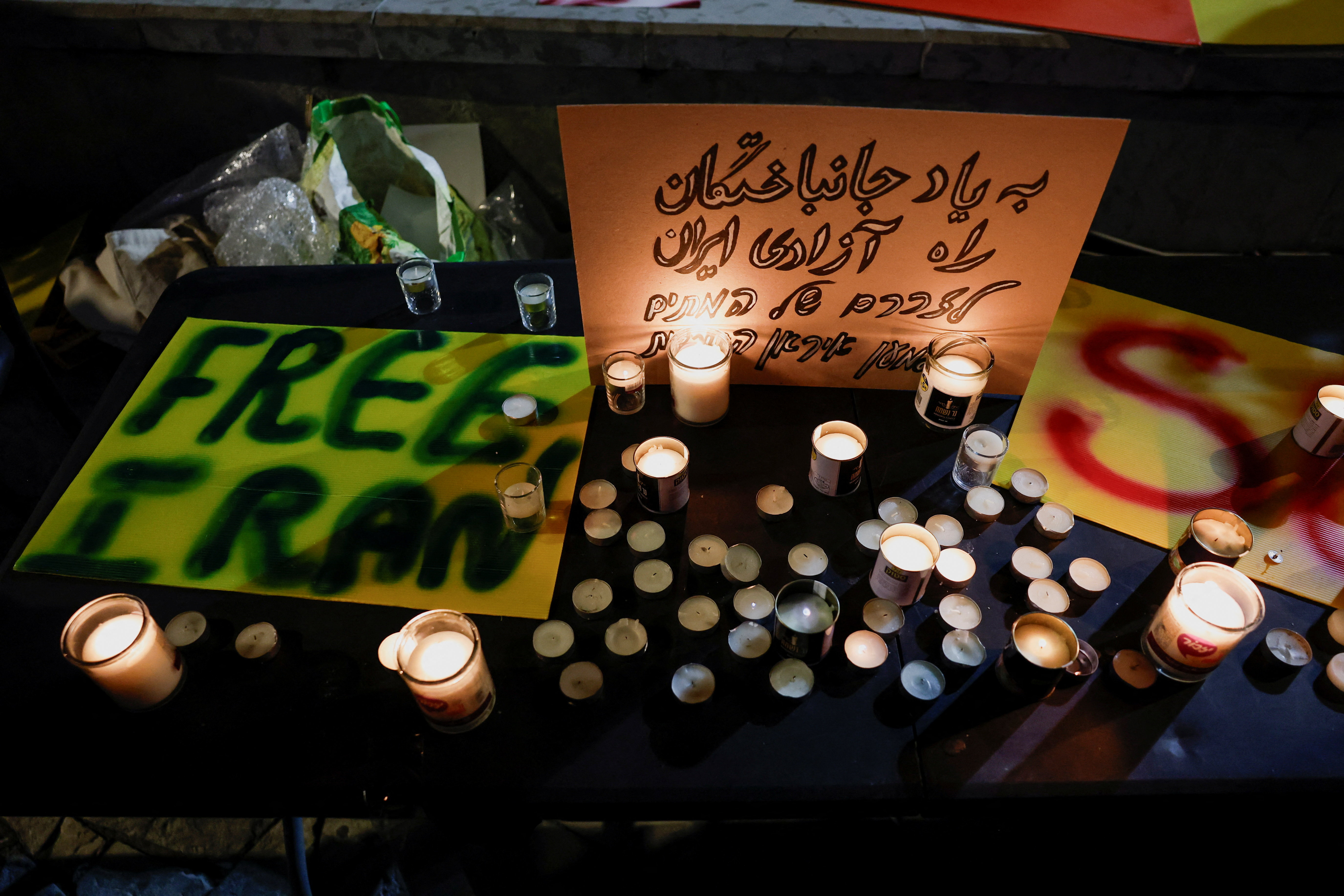
At the same time, questions remain about whether economic pressure alone will alter Tehran’s behavior or whether military action could become part of the administration’s strategy. President Donald Trump has suggested he has received reports that executions of protesters have paused, while also acknowledging the difficulty of trusting assurances from Iranian authorities. Iranian officials, for their part, have denied responsibility for killings of protesters, instead attributing violence to foreign actors, claims widely viewed by critics as lacking credibility.
Cliff May, president of the Foundation for Defense of Democracies, said the administration is likely weighing a broad range of options that extend beyond sanctions. He described the current unrest in Iran as a counterrevolution against the Islamic system established in 1979 rather than a revolt against Iranian identity itself, noting that many protesters emphasize nationalism and opposition to clerical rule. May argued that the regime’s reliance on force, particularly through the Islamic Revolutionary Guard Corps, raises the possibility that targeted military action could be considered as part of an effort to weaken or destabilize the ruling structure.
The Iran situation is also unfolding against a wider geopolitical backdrop that includes Russia and China. Trump has signaled support for legislation that would allow sweeping tariffs on countries purchasing Russian oil, a move supporters say could increase pressure on Moscow while reinforcing U.S. leverage across multiple fronts. Analysts argue that coordinated economic pressure on authoritarian regimes could have compounding effects, though its success depends on sustained enforcement and international cooperation.
May also pointed to what he described as a muted global response to the killing of Iranian protesters, contrasting it with the widespread international mobilization seen in other conflicts. He suggested the absence of sustained outrage reflects political and ideological calculations in Western institutions rather than a lack of severity on the ground.
As Iran faces mounting economic strain and internal unrest, the administration’s next steps remain uncertain. Whether financial pressure alone can force meaningful change, or whether it becomes a prelude to more direct action, is likely to shape not only U.S.–Iran relations but the broader balance of power in the region in the months ahead.