




Cornell law professor and Legal Insurrection founder William Jacobson joined Chicago’s Morning Answer with Dan Proft to break down the week’s major political and legal developments — including President Trump’s sweeping pardons for alternative electors, growing media scandals, and new talk among Democrats about expanding the U.S. Supreme Court.
Jacobson said Trump’s decision to pardon 77 people involved in the 2020 “alternative elector” efforts was both legally sound and strategically wise. “The president’s pardon power is virtually unlimited,” Jacobson explained. “Trump doesn’t want his people hanging out there legally exposed once he leaves office. This is his way of putting his affairs in order.”
The pardons came as several Republican electors in blue states continued to face criminal charges for actions taken in 2020. Jacobson dismissed most of those prosecutions as politically motivated. “This is lawfare,” he said. “The notion that someone ‘tried to overturn an election’ is meaningless on its own — people challenge elections all the time. It’s only criminal if you commit fraud or forge documents, and I’ve seen little to suggest that was widespread here.”
Turning to media integrity, Jacobson condemned the BBC after the network’s leadership resigned amid revelations that producers had edited Trump’s January 6 remarks to make them appear more inflammatory. “They sliced and diced the footage to make it seem like he was encouraging violence,” Jacobson said. “That’s not journalism — that’s propaganda. And it destroys what little trust people have left in legacy media.”
Trump has hinted at a possible defamation suit against the BBC, and Jacobson said the former president would likely have a case. “They deliberately portrayed him in a false light,” he said. “It’s not just sloppy editing — it’s malice.”
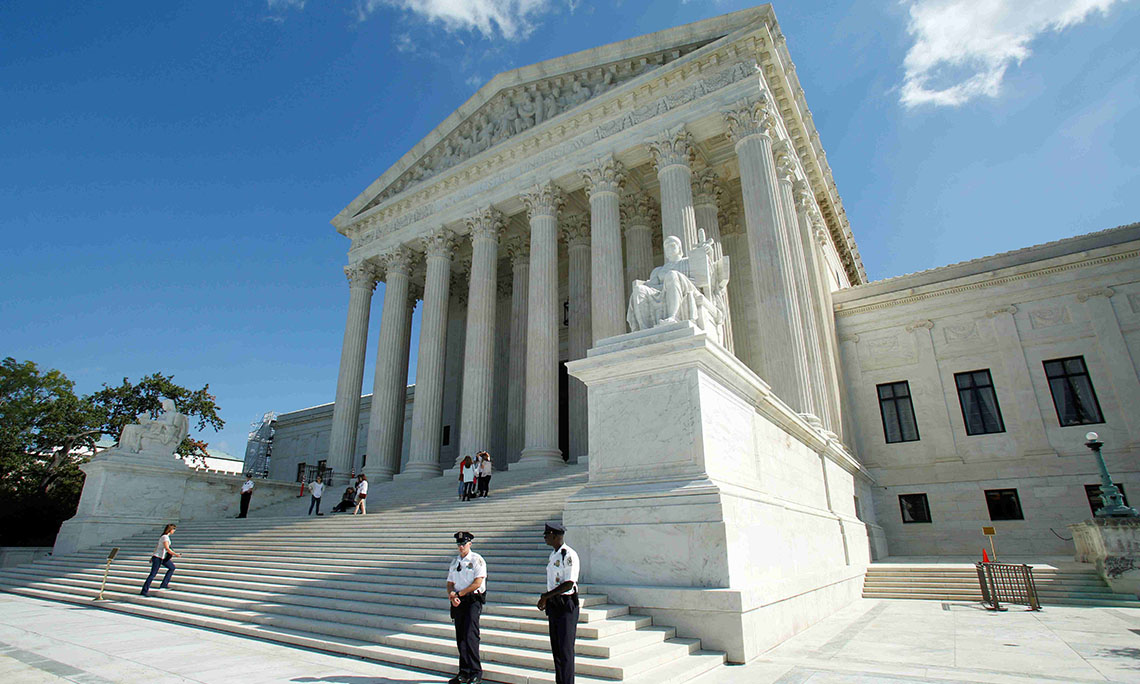
Jacobson also addressed new comments from longtime Democratic strategist James Carville, who predicted that a future Democratic administration would expand the Supreme Court from nine justices to thirteen. Former Attorney General Eric Holder echoed similar calls last week. Jacobson warned that the idea reflects a long-term strategy by the left to remove the Court as a check on its power. “They’re furious that the Supreme Court has restrained their ambitions,” he said. “The only thing stopping them from total control of the federal government is the Court — so now they want to change the rules.”
Still, Jacobson doubted Democrats could easily execute such a plan. “They’d have to nuke the filibuster, and they’re unlikely to have sixty votes in the Senate,” he said. “Even with a simple majority, it’s a risky political move. Supreme Court nominations motivate Republican voters. Trying to pack the Court could backfire badly.”
Ultimately, Jacobson said the recurring push for court expansion, the politicized prosecutions, and the media bias all point to the same trend — a deepening erosion of institutional trust. “When the law is weaponized, when journalists become activists, when the judiciary becomes a political target — people stop believing the system is fair,” he said. “That’s far more dangerous to democracy than any election challenge.”