




On Chicago’s Morning Answer, Dan Proft spoke with Steven Bucci, a former Army Special Forces officer and Pentagon official who now serves as a visiting fellow at the Heritage Foundation. The conversation touched on the fragile state of Middle East peace negotiations, Qatar’s conflicting role as both mediator and sponsor of extremist groups, and the Trump administration’s decision to gather senior military leadership for a rare mass meeting.
Cautious Optimism on Gaza
Bucci was skeptical of reports suggesting progress toward a peace deal between Israel and Hamas. While U.S. officials like President Trump and Senator JD Vance struck a hopeful tone, Bucci emphasized that Hamas is not negotiating in good faith. “They’re not looking for political compromise. They’re looking for victory and the annihilation of the Jews,” he noted. The only possible incentive for Hamas leaders, he suggested, may be preserving their own lives, since Israel remains committed to tracking them down.
Qatar: Mediator or Enabler?
The discussion turned to Qatar, which has played a high-profile role in securing hostage releases while also offering safe haven to Hamas leadership. Bucci described Qatar as “playing both sides,” maintaining ties with the West—including hosting an American military base—while also funneling support to radical groups. He warned that this balancing act allows Qatar to expand its influence but leaves the U.S. and its allies in a difficult position. Past administrations, both Republican and Democratic, have tolerated the dual role because of Qatar’s utility in certain negotiations, but Bucci suggested the time may be approaching when Washington must demand clearer choices from Doha.
A Rare Meeting of U.S. Generals
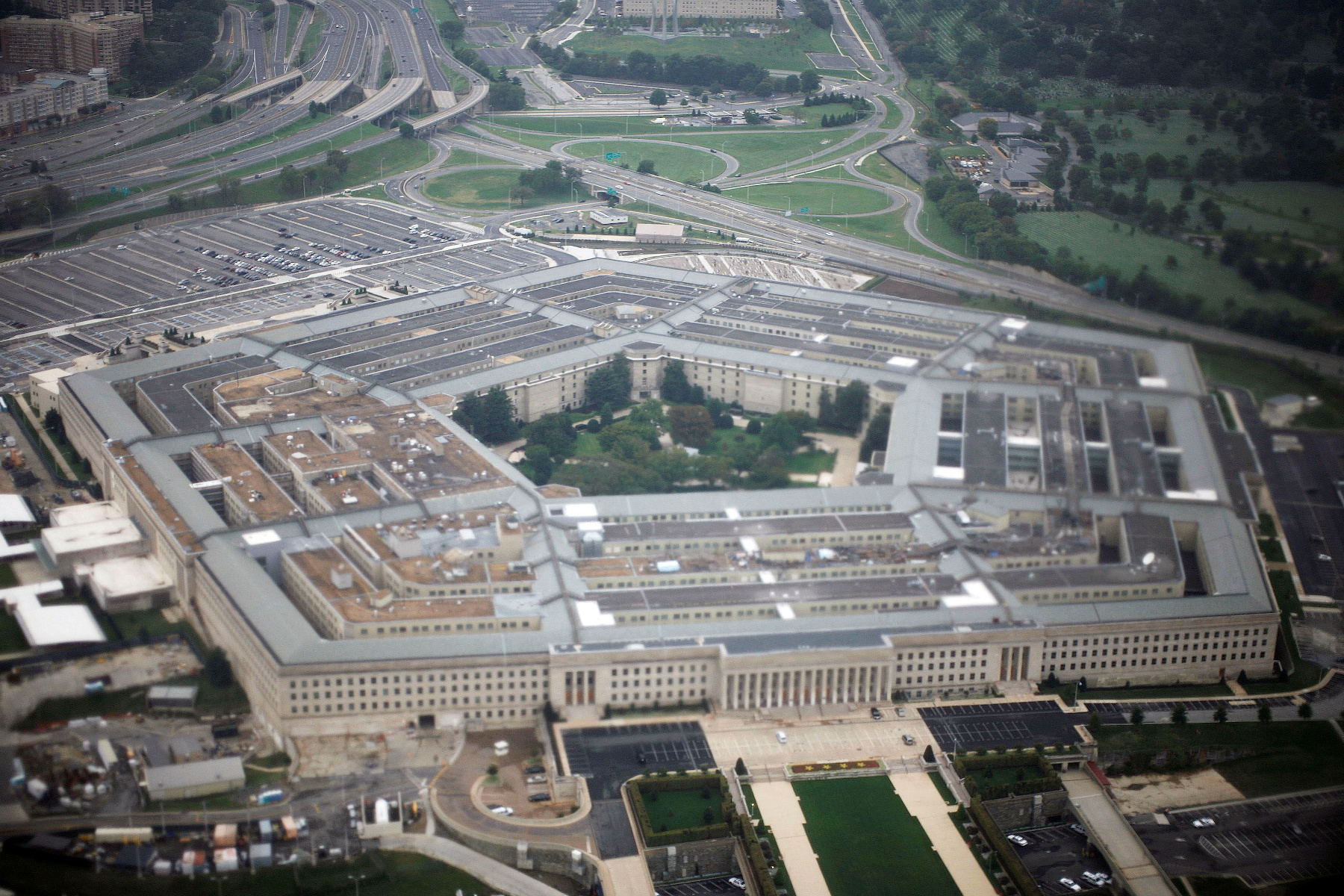
Attention also shifted to reports that Defense Secretary Pete Hegseth and President Trump plan to convene every U.S. general and admiral for a strategic session. Bucci interpreted the move as an attempt to communicate Trump’s vision directly and reinforce unity, rather than a purge of dissenting voices. Still, he questioned whether such a large gathering could be effective, noting that the needs of junior generals differ sharply from those of four-star commanders.
Strategic Pivots on Russia and China
Bucci also addressed potential shifts in U.S. foreign policy. He said the administration may use the generals’ meeting to clarify its evolving posture toward Russia—particularly discussions about supplying advanced weapons to Ukraine and reinforcing NATO’s air defenses. On China, he stressed that the U.S. is already deeply focused on deterrence in the Indo-Pacific, even if public messaging sometimes suggests otherwise. Any significant concessions on Taiwan, he warned, would represent a major policy pivot.
The Bottom Line
Bucci argued that America must balance optimism in peace negotiations with realism about adversaries’ intentions. He also highlighted the need for greater clarity with partners like Qatar, whose double-dealing undermines long-term stability. At home, he cautioned that large-scale meetings of military leadership must avoid showmanship and focus instead on delivering clear, actionable guidance.