




President Trump’s prime-time Christmas address drew praise for a surprise financial bonus to U.S. service members but raised new questions about American foreign policy, particularly in Venezuela and Eastern Europe, according to former Pentagon official Jed Babbin.
Babbin, a former U.S. Deputy Under Secretary of Defense and contributor to The Washington Times and The American Spectator, joined Chicago’s Morning Answer to assess the administration’s recent national security moves and the issues the president did not directly address in his speech.
One of the most talked-about announcements from the address was what the White House dubbed a “warrior dividend,” a $1,776 payment to more than 1.4 million active-duty service members ahead of Christmas. Babbin said he supported the move, arguing that military pay has lagged for years and that the cost is minimal within the context of the overall defense budget. He described the bonus as a symbolic and practical gesture that recognizes the strain placed on the armed forces.
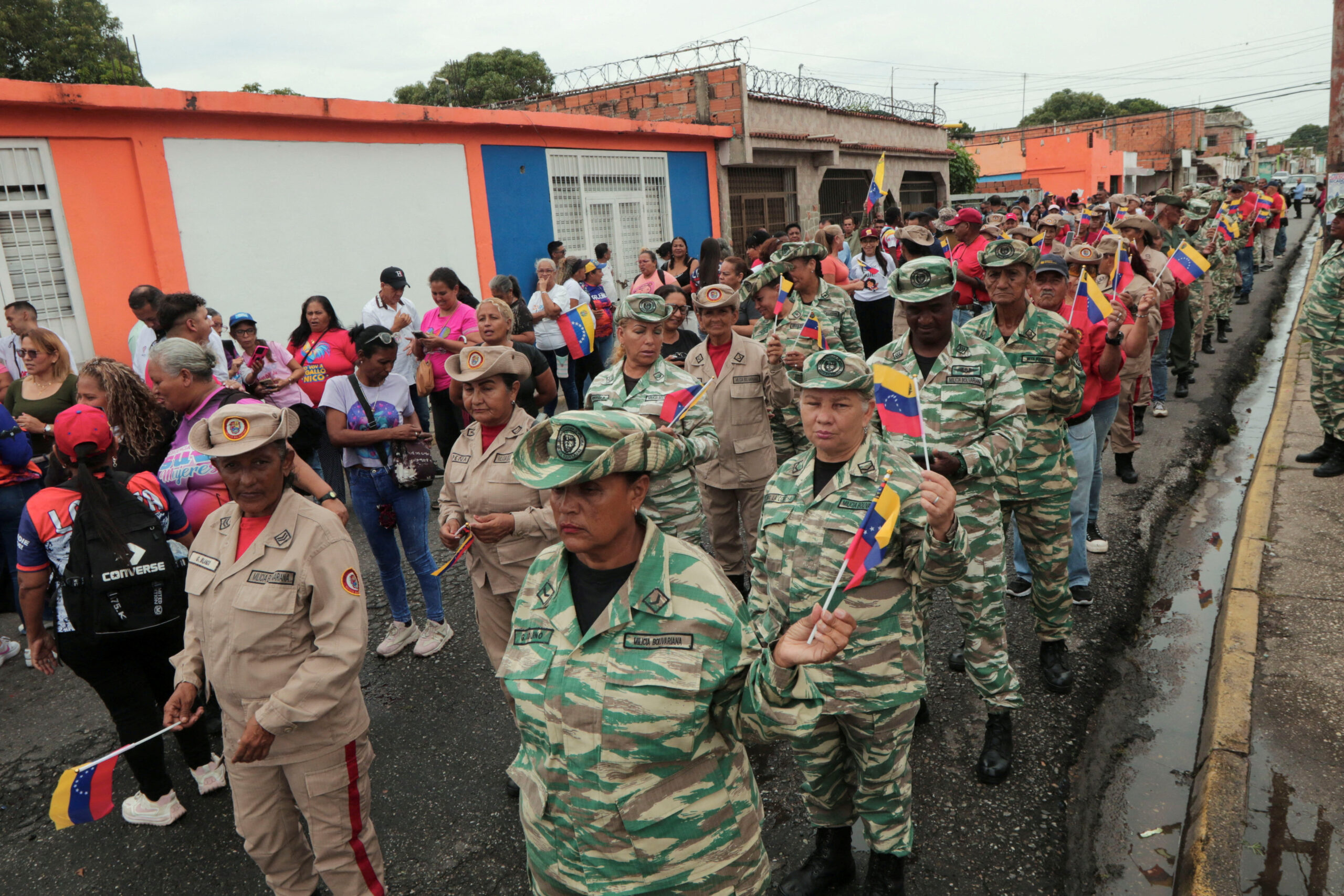
The larger debate centered on Venezuela, where the Trump administration has ordered a sweeping blockade of sanctioned oil tankers and authorized actions against drug-trafficking vessels linked to the Maduro regime. Babbin said the tanker seizures were justified and likely to damage Venezuela’s oil market over time, but he cautioned against any escalation that could resemble a broader military conflict.
According to Babbin, while the president has constitutional authority to act against drug traffickers, sustained operations raise legal and political issues under the War Powers Act. He said Trump has yet to make a clear public case for why Venezuela represents a vital U.S. national security interest, a step Babbin believes would be necessary to gain congressional authorization for any expanded use of force. Without that explanation, he said, support for a formal authorization of military action is unlikely.
Babbin also weighed in on controversy surrounding a second strike on a suspected narco vessel and the Pentagon’s decision not to release video footage of the incident. He argued that withholding the video risks prolonging political fallout and speculation, and said transparency would be the best way to determine whether the action complied with U.S. law and the Uniform Code of Military Justice.
Turning to Eastern Europe, Babbin offered a bleak assessment of the war in Ukraine. He said Russian President Vladimir Putin has shown no genuine interest in peace and views control of Ukraine as central to restoring Russian power. Babbin argued that Ukraine is facing severe financial and military pressure and that, absent far greater European involvement, the conflict may tilt decisively in Russia’s favor within months.
While acknowledging the humanitarian and strategic concerns, Babbin said the war does not constitute a vital U.S. national security interest in the same way it does for European nations. He questioned whether Europe is willing to commit the resources needed to sustain Ukraine long term, warning that continued hesitation could lead to Ukraine’s collapse.
The discussion also touched on turmoil inside the FBI following reports that senior official Dan Bongino will leave the bureau at the end of the year. Babbin said the FBI has resisted reform for years and continues to face credibility issues, particularly regarding its interactions with Congress. However, he said it remains unclear whether Bongino’s departure reflects internal conflicts or deeper institutional problems.
Babbin’s overall assessment suggested an administration navigating complex global challenges with uneven messaging. While he praised support for U.S. troops and targeted actions against criminal networks, he emphasized the need for clearer explanations, defined limits, and legal grounding as the White House confronts volatile situations abroad.