




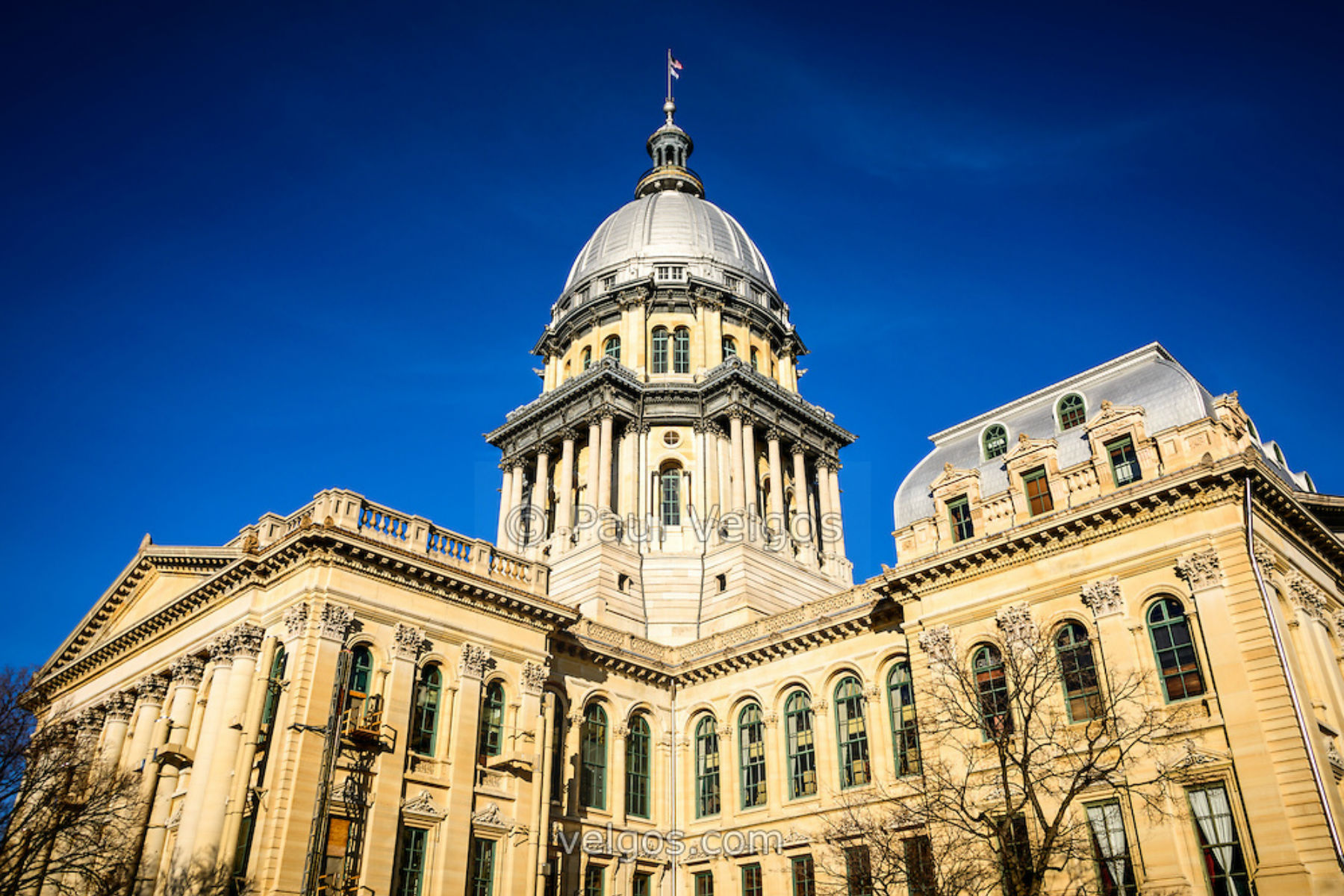
State Representative Harry Benton resigned amid sexual harassment allegations involving a staff member and a lobbyist. Proft noted that the staffer who alleged harassment publicly disputed House Speaker Chris Welch’s characterization of events, specifically challenging Welch’s claim that she had requested a delay in disciplinary action against Benton so she could transition to another position before he resigned. Proft argued that the episode deserves fuller public accounting, including a timeline of when House leadership was first made aware of the allegations and what actions, if any, were taken in response, and suggested the situation represents a missed opportunity for female Democratic legislators previously vocal about accountability during the fall of former Speaker Michael Madigan to speak out similarly now.
Proft welcomed Gabby Shanahan, a Republican candidate running for the Illinois House seat covering the greater Plainfield area, including Shorewood, West Joliet, and parts of Naperville, to discuss her campaign. Shanahan said her campaign has knocked on more than twelve thousand doors over the past two months and that voters increasingly want clarity on what occurred in the district amid Benton’s resignation. She said the newly appointed representative, who previously worked in Benton’s office, has acknowledged noticing warning signs during her tenure there, but has not fully explained what action, if any, she took in response.
Shanahan framed her campaign around what she described as kitchen-table concerns, including property tax relief, cost of living pressures, and public safety. She noted her campaign’s effort to place a nonbinding referendum on the local ballot asking whether the Illinois General Assembly should pass legislation capping and lowering property taxes, and pointed to Illinois’s status as having among the nation’s highest cell phone taxes and dual taxation on gasoline as examples of costs she believes voters remain unaware are tied directly to state policy decisions. She also cited the state’s recently passed $55.9 billion budget, which included roughly $800 million in new taxes, as evidence of what she characterized as misplaced spending priorities rather than a genuine revenue shortfall.
Shanahan argued that ethics reform legislation alone will not meaningfully change what she described as an entrenched culture of corruption in Springfield, tracing dysfunction from the Madigan era through Speaker Welch’s current tenure, and said new leadership rather than additional legislation is needed to shift that culture. She characterized her district as politically purple with a working-class electorate more focused on practical governance than national partisan messaging, while acknowledging that Illinois’s redrawn legislative maps have altered the district’s composition.
On public safety and immigration policy, Shanahan said Illinois can remain welcoming to immigrants while still requiring adherence to proper legal processes, and expressed support for revisiting the state’s sanctuary policies and its 1998 truth-in-sentencing law, which she argued allows habitual offenders to serve reduced portions of their sentences before reoffending. She also voiced support for empowering law enforcement more broadly, referencing broader debates in Springfield over legislation affecting police authority.
Asked about Governor JB Pritzker’s standing within her district, Shanahan said constituent opinion remains mixed, but argued that ultimate responsibility for the state’s fiscal trajectory rests with the governor as the official who signed the record state budget into law. She closed by expressing confidence that her campaign’s focus on affordability and accountability could resonate broadly across the district’s electorate, including with voters who may not typically support Republican candidates.