




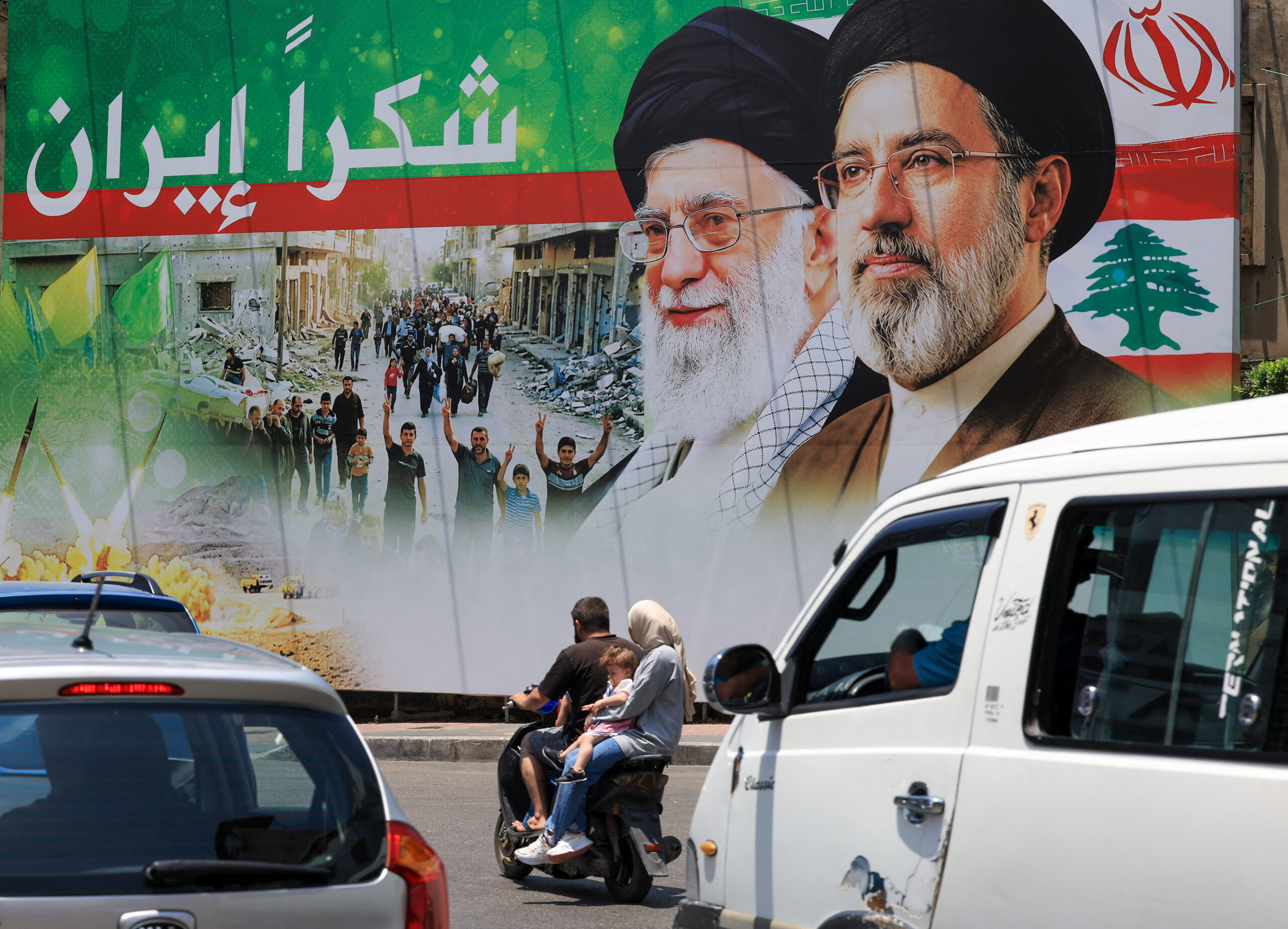
President Trump’s latest comments confirmed that Iran’s Pickaxe Mountain nuclear facility, a site left largely untouched during last summer’s Operation Midnight Hammer, remains on the target list should Iran attempt to reconstitute nuclear activity there. Trump reiterated that any site associated with renewed nuclear ambitions would be struck decisively, while asserting that damage already inflicted on Iran’s program would take the country decades to fully recover from.
Proft also played testimony from Defense Secretary Pete Hegseth before Congress, where he defended the roughly forty billion dollar cost of the conflict to date and pushed back against comparisons to long-running support for Ukraine, arguing lawmakers should apply consistent standards when evaluating the strategic stakes of preventing Iran from acquiring nuclear weapons. Proft also highlighted a heated exchange between Hegseth and Michigan Senator Gary Peters, in which Peters challenged the administration’s characterization of progress given continued closure of the Strait of Hormuz, improved lethality of Iranian missile strikes, and ongoing American casualties. Hegseth rejected the suggestion that he had called the effort a failure, clarifying that any criticism was directed at political leadership rather than service members, and accused Senate Democrats of undermining troop funding while claiming to support the military.
Proft welcomed Michael Rubin, director of policy analysis at the Middle East Forum, to assess the state of the conflict. Rubin said he remains more concerned about the coherence of the administration’s political strategy than its military strategy, noting that President Trump has at times undercut battlefield momentum with premature declarations of success. Rubin pointed to a recent television interview given by Iranian Foreign Minister Abbas Araghchi, in which Araghchi reportedly acknowledged that Iran’s nuclear program was never genuinely paused and suggested that removing members of Iran’s Supreme National Security Council could trigger the regime’s collapse. Rubin said such comments, whether intended as candor or a slip, effectively handed the United States a roadmap.
Rubin also raised questions about the actual chain of command within Iran’s government, noting that Araghchi has said he cannot reach Iran’s civilian leadership, who he says remain in hiding, but can reliably contact Ahmad Vahidi, a senior Islamic Revolutionary Guard Corps commander. Rubin argued this pattern, combined with the current Supreme Leader’s lack of traditional religious credentials, supports a widely held view among Iran analysts that Vahidi functions as the regime’s real power center, raising doubts about the value of continued negotiations with Iranian officials who may lack genuine authority. Rubin also criticized the continued use of Qatari and Pakistani intermediaries in diplomatic efforts, citing Pakistan’s history of sheltering Osama bin Laden and its documented role supplying materials used in improvised explosive devices that killed American troops in Afghanistan.
Discussing the renewed focus on Pickaxe Mountain, Rubin explained that international nuclear inspectors are limited by charter to examining only formally declared nuclear sites, and that Iran’s failure to declare the facility created a persistent inspection loophole that military action may now be the only way to close. He expressed some skepticism that current bunker-busting munitions could fully destroy the deeply buried facility, but cited retired General Chuck Wald’s assessment that sealing the site’s entrances and exits could functionally neutralize it without full destruction. Asked whether regime decapitation remains a plausible outcome, Rubin said it remains possible in some form, but cautioned that negotiating with any single Iranian official without addressing internal factional opposition to that person risks undermining the diplomatic effort entirely.