




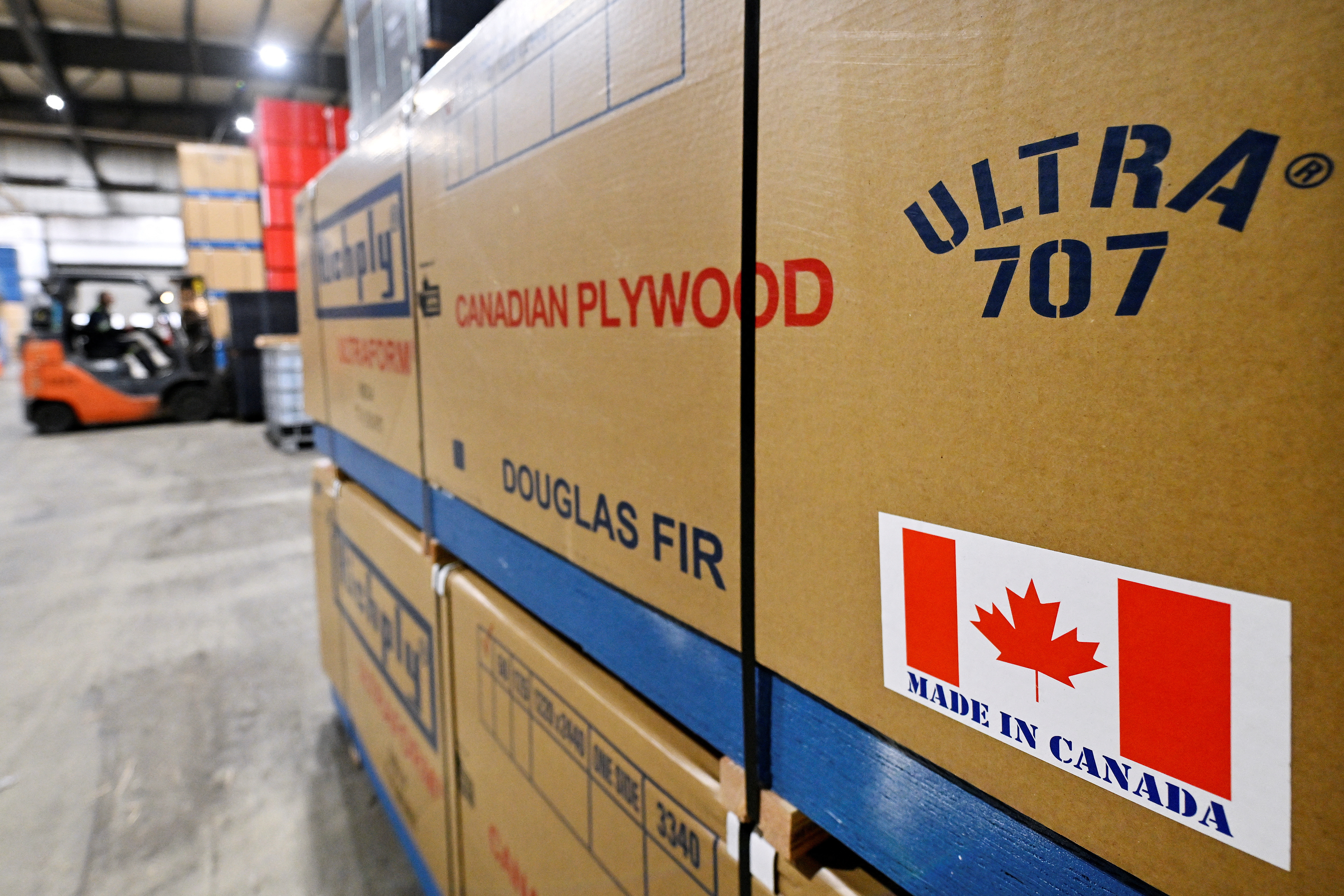
CNBC host Joe Kernen pressed Canadian trade official Dominic LeBlanc on Canada’s sluggish economic performance, citing OECD projections that peg Canada dead last among 38 member countries in per capita GDP growth through 2060. LeBlanc pushed back, arguing Canada remains the top export destination for 26 U.S. states and has signed roughly twenty new trade deals over the past year while working to accelerate federal permitting, even as he acknowledged the country’s tax and regulatory competitiveness problems. Dan Proft likened LeBlanc’s evasive tone to that of an Illinois politician presiding over a failing state while pretending to have things under control, framing the exchange as evidence for the broader argument that Canada needs the United States far more than the reverse.
Proft brought on Steve Moore, an economist and co-founder of Unleash Prosperity, to unpack the trade standoff and the state of the U.S. economy heading into next year’s midterms. Moore said he shares Trump’s free-trade instincts but agreed the administration has a legitimate grievance with Canadian Prime Minister Mark Carney, whom he accused of maintaining high tariffs on U.S. goods while cozying up to Beijing. Still, Moore said he opposes new tariffs on Canada at a moment when Americans are already anxious about the cost of living, arguing that a retaliatory tariff fight is a contest Canada cannot win given how dependent its economy is on U.S. exports.
Moore said his bigger frustration is with Washington rather than Ottawa, arguing the Trump White House has lost the thread on affordability, the issue he considers voters’ top concern heading into November. He pointed to the administration’s recent move to allow more beef imports to bring down meat prices as a step in the right direction, but said Republicans need a far more direct message, invoking Bill Clinton’s line about feeling voters’ pain and suggesting the party talk less about Trump’s ballroom renovation and more about lowering prices. Moore attributed much of the current inflation pressure to oil prices still hovering around eighty dollars a barrel amid the instability in Iran, predicting that broader price relief will follow once energy costs come down, though he could not say when that might happen.
Asked what he would tell Trump’s inner circle, Moore said Republicans need a forward-looking agenda built on top of the recently passed tax package, along with a serious conversation about the nation’s forty trillion dollar debt, though he noted neither party wants to touch that issue. He argued the only thing keeping Republicans competitive right now is the Democratic Party’s own dysfunction, pointing to what he called a pattern of nominating weak or extreme candidates for major races. Still, Moore warned against complacency, noting that both Vivek Ramaswamy in Ohio and Ken Paxton in Texas are facing real trouble in their races, and that the environment could produce a wave election in either direction.
Moore also pointed to what he sees as underused Republican talking points, including a sharp drop in illegal border crossings, falling crime rates in major cities, a labor market with more open jobs than available workers, and a stock market outperforming every other major economy. He argued the U.S. remains the only major industrialized country still growing while Europe stagnates and Canada’s economy declines, and said the single most effective thing Republicans could do right now is cut government spending, something he doubted either party has the appetite to actually do.
The conversation also touched on California’s newly passed legislation targeting independent journalist Nick Shirley, who has drawn attention for exposing alleged fraud in state daycare and Medicaid programs. Moore likened the law to punishing the person who stops a robbery rather than the robber, framing it as further evidence of Democrats prioritizing political self-preservation over addressing waste in government programs.