




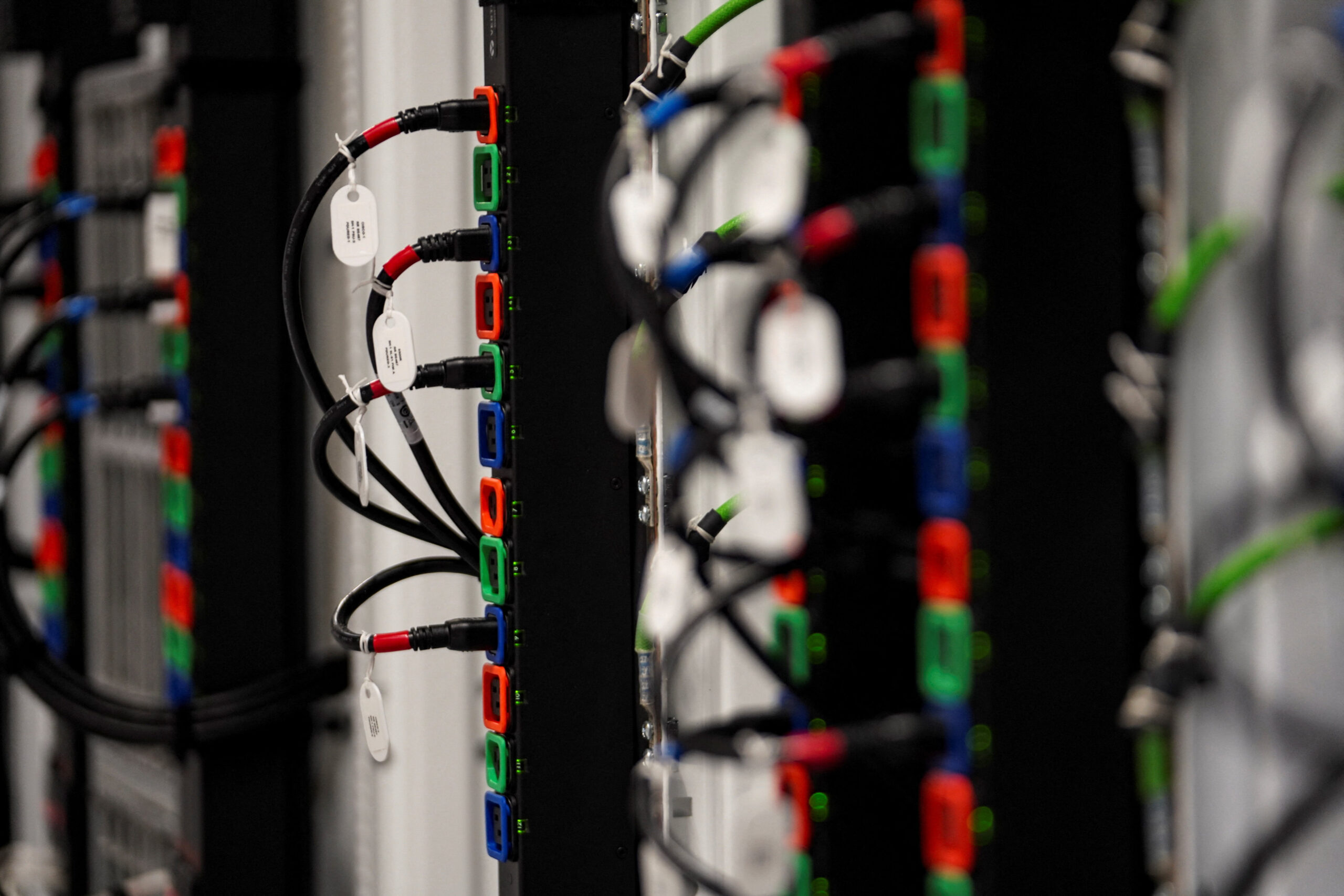
New survey research suggests that facts alone aren’t winning over public opinion on data centers, even when those facts point to safety, economic benefit, and minimal environmental impact. According to polling 62 percent of respondents said they strongly oppose a data center built to power artificial intelligence, a higher opposition rate than for a nuclear power plant at 57 percent. Data centers built for services like video streaming drew 53 percent opposition, while a chip manufacturing plant drew just 35 percent. Wind farms, solar farms, steel factories, and Amazon distribution centers all polled well below data centers in public opposition.
Host Dan Proft pointed to what he described as a disconnect between belief and fact, noting that some opponents simultaneously argue data centers will both decrease property values and increase property taxes, an outcome he said would only make sense under Illinois’ property tax structure and has nothing to do with data centers themselves.
To dig into the issue further, Proft spoke with Blake Hurst, a corn, soybean, and greenhouse farmer and former president of the Missouri Farm Bureau, who recently wrote a piece in the Wall Street Journal titled “If You’d Like to Build a Data Center, My Farm Is Available.” Hurst said he hasn’t received any offers since the article ran a week earlier, but explained his motivation stemmed from watching a neighboring rural county debate a proposed data center amid many of the same public objections raised in the survey.
Hurst described a rural Missouri community in steep economic decline. When he graduated high school fifty years ago, his class had 64 students. When his own grandchildren graduated, their class had about 20. His hometown’s population has dropped from roughly 2,500 to about 1,400. Main streets are emptying, businesses are closing, and Hurst said the decline has become something residents simply accept as inevitable. A data center, he argued, would not solve every problem facing the community, but it could help halt further deterioration by keeping the local school open, supporting the hospital, and sustaining the grocery store.
Hurst said he believes his support for data centers puts him in the minority even among fellow farmers, acknowledging that change is difficult for people whose families have farmed the same land for generations. But he argued that farmers raising concerns about data center construction should also consider the disruptions posed by other agricultural operations, such as livestock facilities or the grain-drying fans that run around the clock for weeks at a time.
The conversation turned to economic development more broadly, with Proft drawing a comparison to small Illinois towns that actively lobby to have prisons built nearby for the jobs they bring, yet resist data centers offering similar employment opportunities. Hurst agreed, noting that a project he wrote about would bring 130 permanent jobs to his area, a substantial number for a small rural community. He said the lack of available jobs, particularly for the spouses of professionals like teachers and nurses that towns are trying to recruit, has made it difficult to retain talent and keep essential community institutions staffed.
On environmental concerns, Hurst pushed back on comparisons between data breaches and environmental contamination, saying that while data breaches create serious problems for those affected, they do not pollute water or create toxic blooms the way industrial environmental disasters do. He also noted the irony of water-use concerns being raised in a year when much of the Midwest experienced flooding and excess rainfall, unlike arid regions such as Arizona or eastern Colorado where the debate over water usage might carry more weight.
Both Hurst and Proft emphasized that the discussion is not about undermining private property rights. Hurst cited another example from his Journal piece, a Kentucky farmer who turned down a 10 million dollar offer for his land, a decision Hurst said should be respected. The point, both agreed, is that farmers willing to sell or lease land for data center development should have that option available to them as well, particularly in unzoned areas where neighboring farmers currently object.
With data centers no longer a theoretical proposition, Hurst noted that hundreds have already been built nationwide, giving communities the ability to measure real-world impact rather than relying on speculation.