




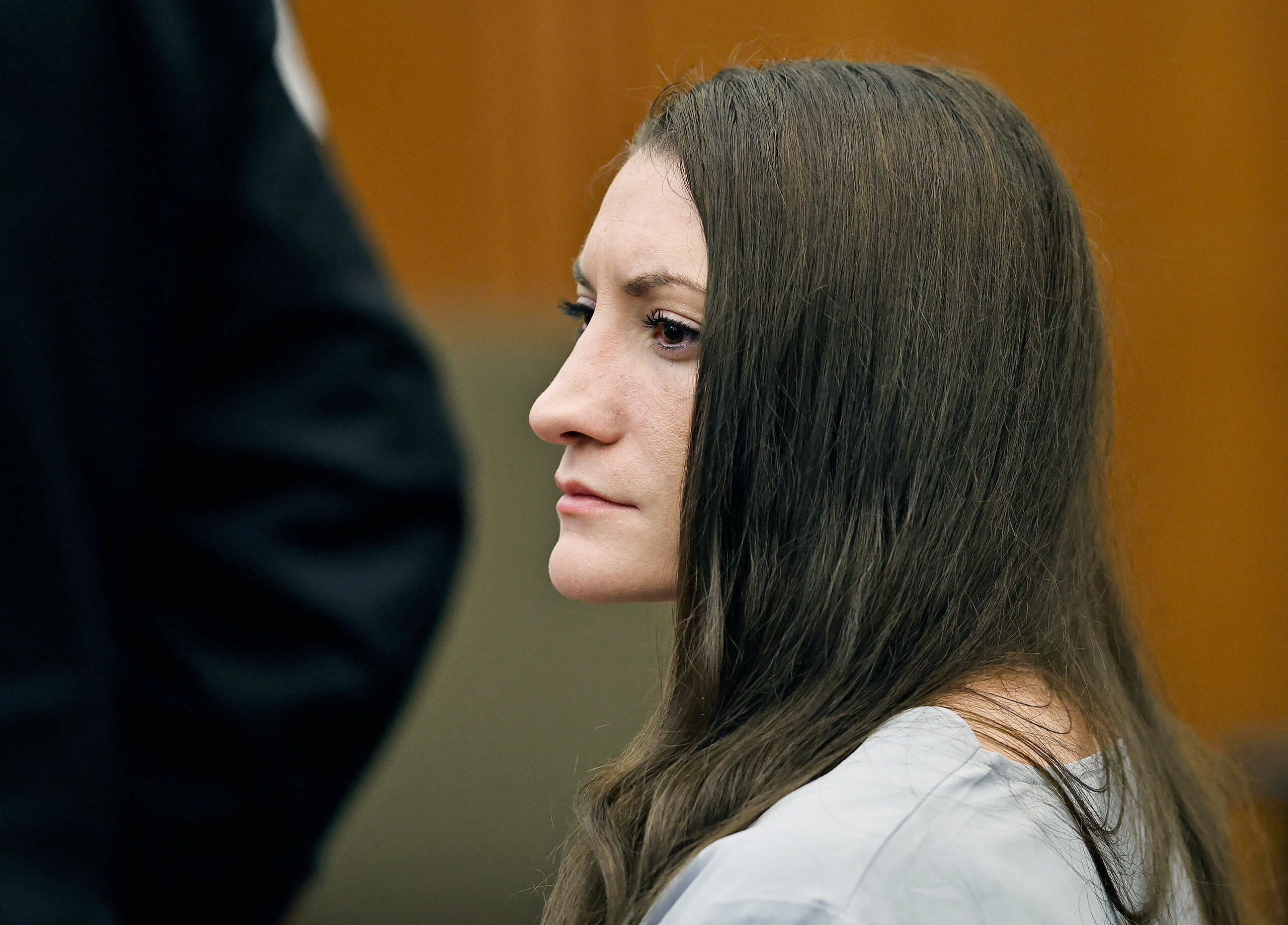
The mistrial in the case of Lindsay Clancy, the Massachusetts mother accused of killing her three children, has reignited a national debate over whether postpartum psychosis can excuse a mother’s most unthinkable act. On Chicago’s Morning Answer, host Dan Proft brought competing views into focus, first citing psychiatrist Sally Satel’s case in The Free Press for a verdict of not guilty by reason of mental defect, then turning to author and columnist Bethany Mandel for a sharply different read on the case.
Satel had argued that Clancy’s own account, corroborated by defense psychiatrist Philip Resnick, described a woman who heard a command to kill and felt her body taken over by an outside force, as though she were a puppet controlled by someone else. Satel wrote that she accepted Clancy’s description because nothing in her history foreshadowed the killings: no record of aggression, abuse, or even a spanking, and no evidence of an affair or a desire to be rid of her husband. Satel went on to propose a standalone maternal infanticide law that would treat postpartum mental illness as a mitigating factor in sentencing.
Mandel, co-author of “Stolen Youth: How Radicals Are Erasing Innocence and Indoctrinating a Generation” and host of the podcast The Mom Wars, told Proft she does not accept that framing. She compared the public reaction to the familiar phenomenon of neighbors expressing shock that a killer had seemed so ordinary, and said her own research and conversations with mental health professionals convinced her that psychosis surfacing eight months after childbirth, with no earlier warning signs, is not a typical postpartum psychosis case. In her view, Clancy’s actions amount to what is sometimes called altruistic filicide, in which a parent who does not want to abandon her children but also does not want to raise them resolves that conflict through violence. Mandel pointed to the relatively minor nature of Clancy’s self-inflicted injuries, and noted that her paralysis resulted from how she landed after jumping from a second-story window, as evidence that her own suicide attempt was far less committed than her attack on her children.
The conversation turned to the conduct of Clancy’s defense attorney, whom Proft criticized for describing the lone holdout juror as biased against people with disabilities and for later calling the juror out by name outside the courthouse. Mandel agreed, calling it a form of jury intimidation, and said she worries the juror could now be doxxed and targeted by people online who hold what she described as conspiratorial views about the case. Both discussed whether the Plymouth County district attorney’s office will retry the case, with Mandel saying she understands the argument for a retrial but has limited confidence given how the first trial was handled and how difficult it may now be to seat an unbiased jury after six weeks of intense public attention.
Proft and Mandel also discussed reports that several jurors entered deliberations having already made up their minds and unwilling to reconsider, which Mandel contrasted with the classic film “12 Angry Men,” in which a single juror persuades eleven others by following the evidence. She said the Clancy case felt like the inverse of that story, and Proft suggested it reflects a culture that celebrates certainty and mob sentiment over reasoned deliberation.
Mandel connected the public response to Clancy’s case to what she called a broader cultural pattern of excusing or even celebrating violence, citing the reaction to Luigi Mangione’s killing of UnitedHealthcare CEO Brian Thompson as another example. She referenced research suggesting a notable share of Americans, particularly younger people, believe violence can be justified over political disagreement, and said she views the sympathetic framing of Clancy as a symptom of that same trend. Asked about a piece by Rob Henderson comparing the cultural role Clancy has taken on for white, middle-class women to the role O.J. Simpson’s case played for Black Americans, Mandel said she found the comparison disturbing, adding that Clancy herself, through her defense attorney, has expressed relief and encouragement rather than remorse.
Mandel argued the case represents a setback for the broader case that women are capable of full responsibility and equal standing with men. She said she was raised to believe women could become president, engineers, or astronauts, and objected to the idea that emotional distress could later be invoked to excuse consequential decisions. Proft raised the concept some commentators call suicidal empathy, the idea of validating another person’s feelings without regard to whether doing so leads them toward a good outcome, and Mandel agreed that the Clancy case illustrates that failure playing out in public.