




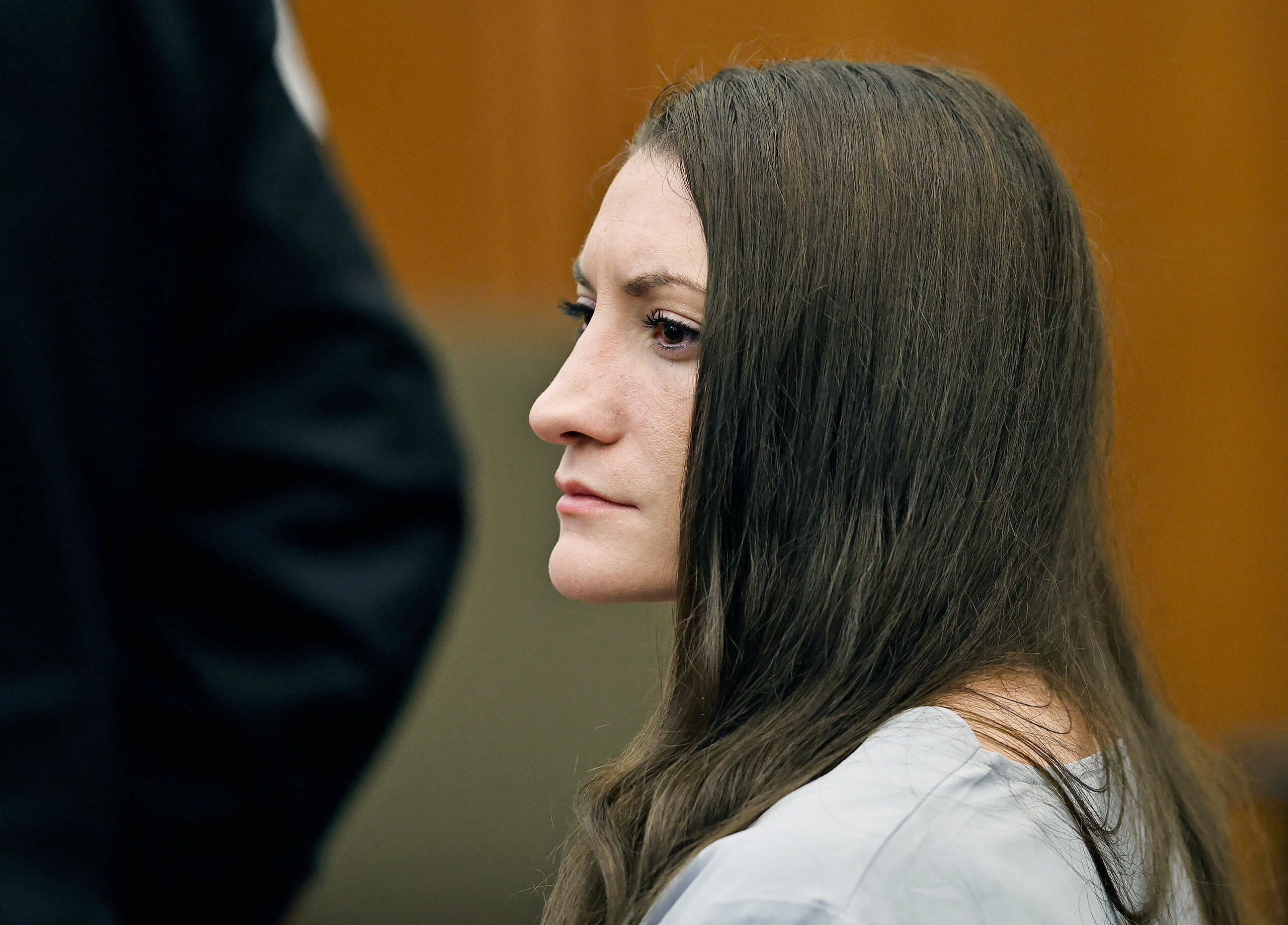
Lindsay Clancy, the Massachusetts nurse who has admitted to killing her three young children is arguing she should be found not criminally responsible due to a severe postpartum psychosis. Dan Proft played a portion of her attorney’s closing argument, in which the defense described Clancy as a devoted mother failed by inadequate psychiatric medication and care, and noted the jury deliberating her case is composed mostly of women. Proft also cited a piece by writer Ashley Frawley at First Things, which argued the case has become a flashpoint for a broader cultural anxiety among mothers who feel overwhelmed and unsupported, even as it stops short of excusing Clancy’s actions. Frawley’s essay, drawing on Clancy’s own journal entries and testimony from the family’s former nanny, described a woman consumed by guilt over sleep schedules, breastfeeding, and whether she was doing enough for her children, a mindset Frawley connected to what sociologist Frank Furedi has called parental determinism, the belief that parents are almost solely responsible for how their children’s lives turn out.
Proft also flagged the reaction the case has generated online, including a viral video from an OB/GYN publicly expressing sympathy and admiration for Clancy’s efforts as a mother, and a heated exchange on GB News in which one commentator argued Clancy deserved understanding for what she endured while another accused her of glorifying a woman who killed her own children. Proft said he found much of that reaction difficult to defend, arguing the legal question at the center of the trial is narrowly whether Clancy understood right from wrong at the time of the killings, separate from any larger conversation about the pressures of modern parenting.
Proft was joined by Ashley Frawley, senior editor at Compact and author of “Semiotics of Happiness,” to discuss the cultural backdrop to the case. Frawley said Clancy’s diaries clearly show she was gripped by the belief that every parenting decision could permanently shape her children’s futures, but said that context is secondary to the criminal question the jury must decide. She said what interests her more is how much of the public reaction reflects a broader, largely unspoken cultural argument over what modern motherhood is supposed to look like, one in which intensive, all-consuming parenting has come to be treated as the only acceptable standard, leaving those who fall short, including fathers like Clancy’s husband, subject to public blame.
Frawley said the expectation that parents constantly optimize every aspect of a child’s development is a relatively recent cultural phenomenon, tracing back only a few decades, and argued it has created a no-win dynamic in which parents are criticized as neglectful if they step back and criticized as overbearing if they don’t. She said the healthier response is not to swing toward even more intensive parenting but to scale back the belief that parents are the sole determining factor in how children turn out, and to stop treating every societal problem as fundamentally a question of parental failure. Frawley, who said she has intentionally avoided reading parenting books with her own two children, argued that parenting matters but does not require the constant surveillance and second-guessing that has become culturally expected, and said a broader step back from that mindset would benefit families more than any renewed round of parental blame.