




The United States may be demonstrating overwhelming conventional military capabilities in its conflict with Iran, but former CNN correspondent Chuck de Caro argues that Washington is falling behind in another critical arena: the information war.
De Caro, who served as CNN’s first special assignment correspondent and later worked as a consultant for the Pentagon’s Office of Net Assessment, joined Chicago’s Morning Answer with Mike Koolidge, who was filling in for Dan Proft, to discuss an article he wrote for The Blaze arguing that the United States is failing to communicate its military successes effectively.
De Caro said the nature of warfare has changed dramatically since Carl von Clausewitz described war as an extension of politics through the controlled use of violence. In the information age, he argued, military power is only one component of a conflict because governments can increasingly communicate directly with populations that influence political power.
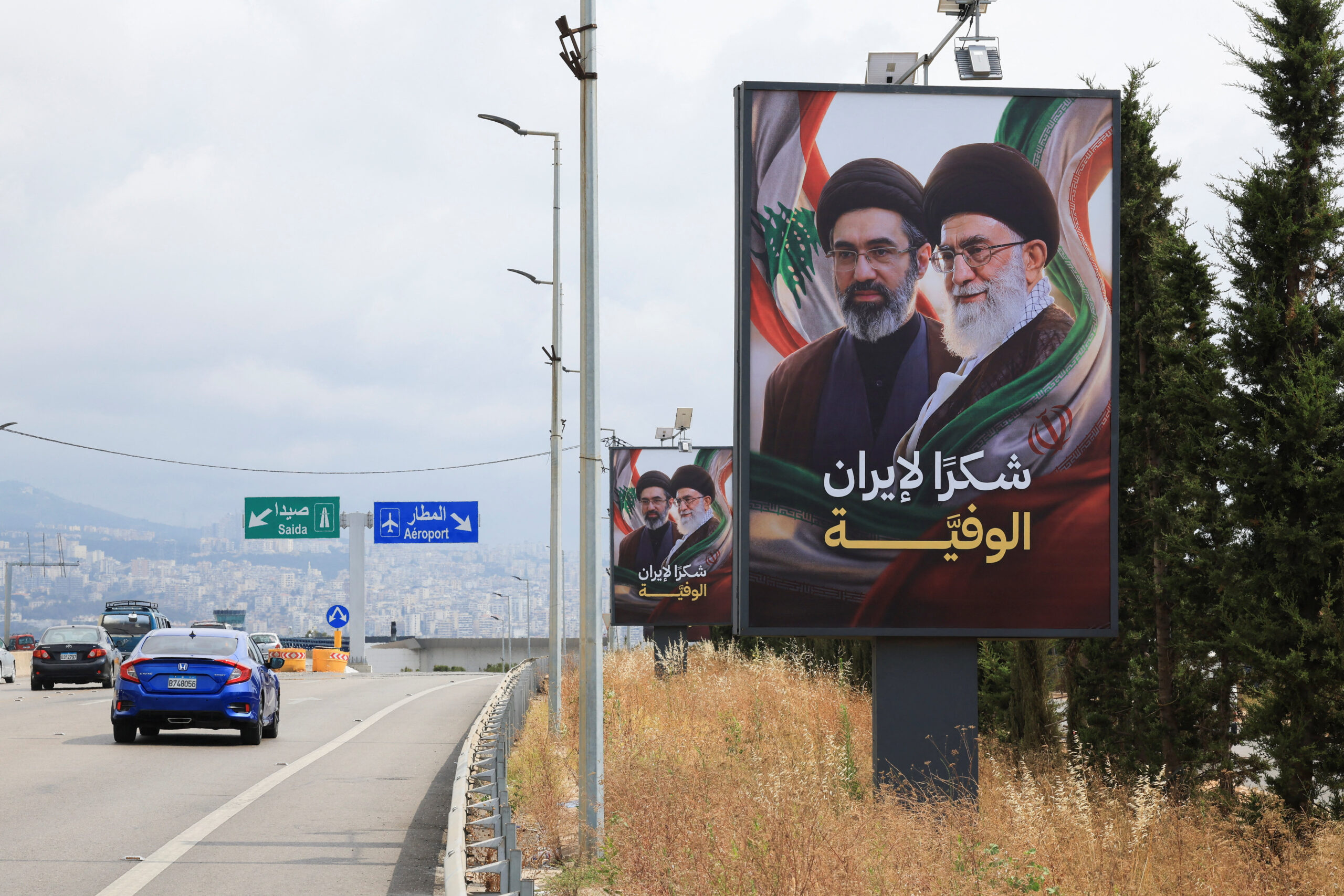
According to de Caro, Iran has adapted to that reality more effectively than the United States. While American forces can strike Iranian military targets and targets belonging to Iran’s regional allies, de Caro said Iran has been more successful at using modern communications technology to shape how the conflict is perceived by Americans and audiences around the world.
The problem is particularly significant inside Iran, he said. De Caro pointed to reports of thousands of people being killed or executed by the Iranian government while noting that the actual number remains disputed. He argued that there could be many more Iranians who oppose the regime but have limited ability to communicate with one another because the government has restricted internet access.
At the same time, de Caro said Iran continues to operate numerous television channels through its state broadcasting system. He questioned why the United States has not done more to disrupt those broadcasts and replace them with communications aimed directly at the Iranian public.
De Caro suggested that the United States could make greater use of technology, including remotely piloted systems and satellite communications, to reach Iranian citizens even when the regime attempts to shut down conventional internet access.
He compared the challenge to Cold War efforts such as Radio Free Europe and Radio Liberty, which transmitted American-backed programming across borders to audiences living behind the Iron Curtain. The United States, he said, needs a modern equivalent for the information age.
While newer technologies such as Starlink could potentially provide another avenue for communications, de Caro acknowledged that access remains limited compared with the size of Iran’s population. Simply having the technology available, he argued, does not mean it is reaching enough people to have a meaningful impact.
The former CNN correspondent also criticized the way the Pentagon communicates American military operations to television audiences. He contrasted today’s briefings with the televised presentations of former Army General Norman Schwarzkopf during the Gulf War.
Schwarzkopf, de Caro said, understood television almost instinctively. His imposing physical presence, personality and ability to communicate visually helped make his briefings memorable to millions of Americans.
De Caro argued that today’s military spokespeople are not always optimized for television, even when they are highly qualified military officers. He said their uniforms, camera framing, delivery, lighting and overall presentation can affect how audiences perceive the credibility and strength of the message.
In de Caro’s view, those details are not superficial. Television communicates through images and sound, meaning that audiences make judgments based on what they see as much as what they hear.
He specifically discussed current Pentagon spokespeople and argued that their presentations sometimes create unnecessary distractions or fail to establish the kind of direct visual connection that television requires. By comparison, de Caro said Iranian military spokespeople often appear carefully staged, dramatically lit and deliberately presented as imposing figures.
Whether the Iranian claims are accurate is a separate question, he said. The important point is that the presentation itself can influence how viewers perceive the people delivering the message.
De Caro described television as a “battle environment” in which governments have to understand how audiences process information. In wartime, he argued, simply having the facts on your side is not enough if those facts are not communicated effectively.
Koolidge noted that the communications challenge extends beyond traditional television. Radio programs such as Chicago’s Morning Answer now distribute video through platforms such as YouTube, making visual presentation increasingly important even for broadcasters whose primary medium is audio.
De Caro agreed that the changing media environment makes adaptation even more important. The United States, he argued, needs people representing the government in wartime who understand how different platforms communicate and how audiences perceive information.
For de Caro, the central lesson is that military victories and strategic accomplishments can be undermined if the public does not understand what is happening on the battlefield. The United States may possess superior military capabilities, but if Iran is more effective at shaping the narrative surrounding the conflict, Washington risks losing the information battle even while winning conventional engagements.
His prescription is straightforward: treat communications as an integral part of modern warfare rather than an afterthought. That means using available technology to reach foreign populations, presenting military information clearly to Americans and ensuring that the people speaking for the United States understand the unique demands of television and other modern media.
In an era when a smartphone video can reach millions of people within minutes, de Caro’s argument is that winning a war increasingly requires more than controlling the battlefield. It also requires controlling the story.