




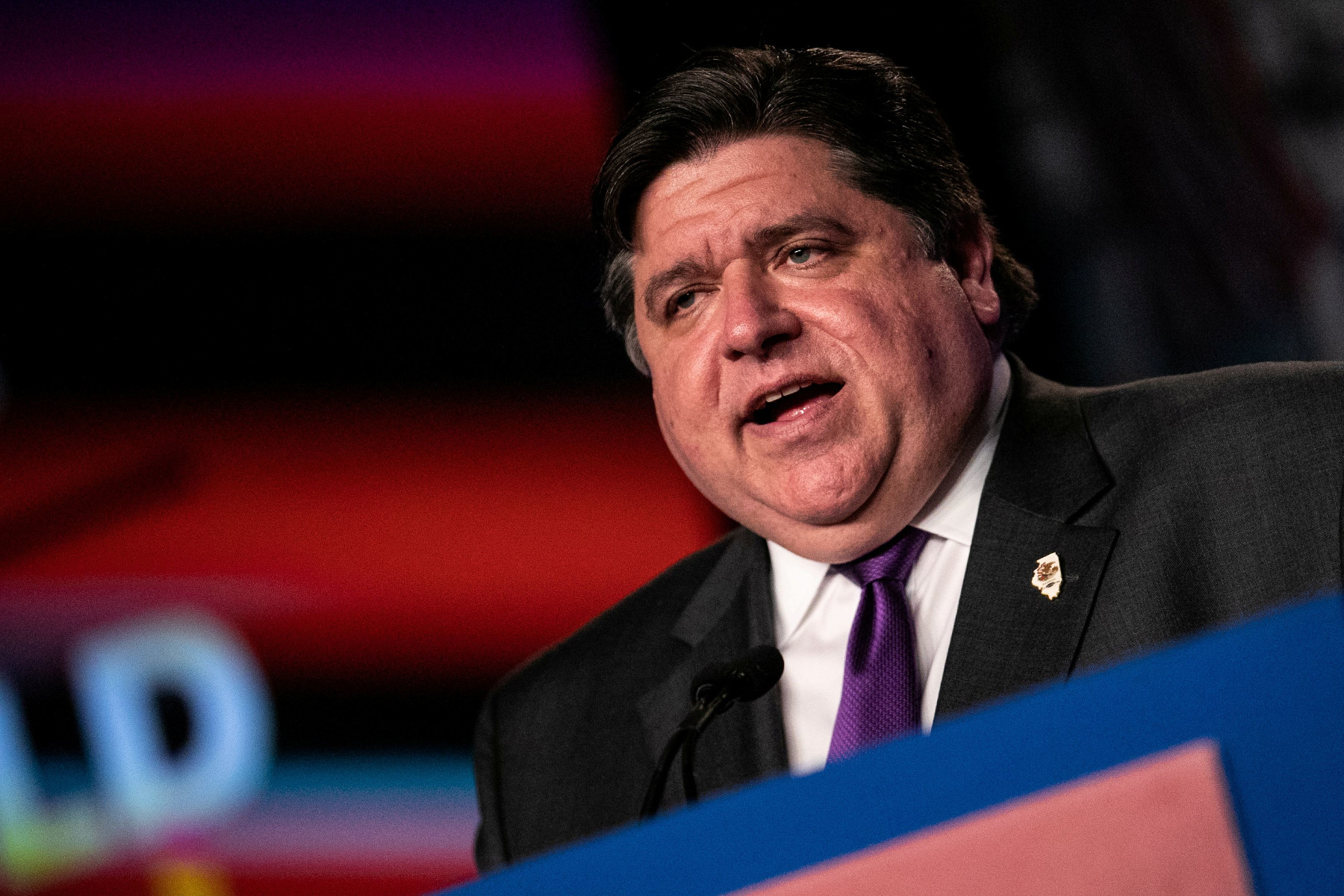
With a wave of new Illinois laws taking effect on July 1, Ted Dabrowski, president of the policy research organization Wirepoints, joined Chicago’s Morning Answer with Amy Jacobson and John Anthony to outline what residents should expect—and why he believes the changes signal deeper problems in the state’s direction under Governor J.B. Pritzker.
The most immediate hit to Illinoisans’ wallets comes in the form of tax hikes. The state’s gas tax increased to 48.3 cents per gallon, further solidifying Illinois’ position as one of the highest-taxed states for fuel. But that’s not the only hike: taxes on sports betting, cigarettes, and short-term rentals like Airbnbs also jumped, adding to the growing burden on consumers and small businesses alike.
Dabrowski emphasized that these aren’t isolated increases. Instead, they reflect what he called a pattern of “relentless revenue grabbing” to fund a ballooning state budget that has grown from $39 billion to $55 billion during Pritzker’s time in office. He noted that these tax hikes ultimately hurt working families and exacerbate the state’s ongoing exodus of residents—especially among young adults and working-age citizens.
In fact, recent data reported by Wirepoints shows Illinois led the nation in the percentage loss of residents aged 18 and younger, and ranked sixth in losses among the working-age population. At the same time, the state’s senior population is increasing, setting the stage for a growing tax base imbalance.
While Pritzker touts achievements like minimum wage increases and balanced budgets, Dabrowski argued these milestones come with a heavy cost. He pointed to Illinois’ high property taxes, credit rating struggles, and ongoing population decline as signs that the state remains one of the worst-run in the country.
The conversation also turned political, as Pritzker recently announced he would seek a third term as governor. Dabrowski suggested that the governor’s true ambition lies beyond Springfield. Despite investing time and money into national Democratic campaigns, abortion rights messaging, and a high-profile speech in New Hampshire, Pritzker remains mired at just 2% in national Democratic primary polling—far behind figures like Pete Buttigieg and Kamala Harris.
Dabrowski warned that Pritzker’s presidential aspirations could hurt Illinois residents further. In his view, Pritzker’s push to align with far-left national politics limits his willingness to embrace centrist reforms that the state desperately needs, such as school choice, tax relief, and tough-on-crime policies.
He also criticized recent new regulations, including restrictions on single-use plastic shampoo bottles in hotels and additional Airbnb taxes, as evidence of government overreach. “This is micromanagement at its worst,” Dabrowski said, arguing that such measures stifle business and reflect an extreme level of control.
Despite the litany of new policies and regulations, Dabrowski offered one story of optimism: residents of Effingham successfully organized to block a $60 million bond issue by the local school district that was enabled by a state law allowing districts to bypass voter referendums. In just 30 days, local residents gathered enough signatures to stop the bond issue in its tracks. Dabrowski praised the grassroots effort as a rare and powerful example of citizens pushing back against rising property taxes and unchecked local spending.
Dabrowski also touched on concerns about foreign investment in the state, citing a Chinese EV battery plant backed by hundreds of millions in state incentives. Critics argue the plant’s ties to the Chinese Communist Party raise national security and labor concerns, with reports alleging discriminatory practices and use of unlicensed foreign workers.
Adding to the frustration for many is a Cook County program now waiving traffic fines for low-income residents, raising concerns about unequal application of the law. Dabrowski called the policy a breakdown of accountability and warned it contributes to a “broken windows” environment where disregard for rules becomes normalized.
As Illinois rings in a fresh batch of taxes and regulations, Dabrowski urged residents to stay engaged and hold leaders accountable. “These policies aren’t just numbers on a spreadsheet—they’re impacting real families,” he said.