




As California faces the threat of $8-per-gallon gas and rolling blackouts, Danish economist and climate policy expert Bjorn Lomborg joined Chicago’s Morning Answer with Dan Proft and Amy Jacobson to sound the alarm on the costs of misguided energy policy. Lomborg, president of the Copenhagen Consensus Think Tank, said the chaos unfolding in California and Western Europe is a preview of what happens when idealistic climate goals collide with the real-world needs of working families and industrial economies.
Proft and Jacobson opened the conversation by highlighting recent reports out of Sacramento, where even Democratic lawmakers are now voicing regret over environmental mandates that contributed to the shutdown of two major refineries. According to a USC study cited in the segment, the resulting fuel supply shortages could push gas prices above $8 per gallon.
Lomborg described the situation as “blatantly bad policy,” arguing that such outcomes were entirely predictable. “It’s not that the goal of reducing emissions is bad,” he said. “It’s that the methods being used are expensive, ineffective, and politically unsustainable—especially outside the wealthy enclaves of the West.”
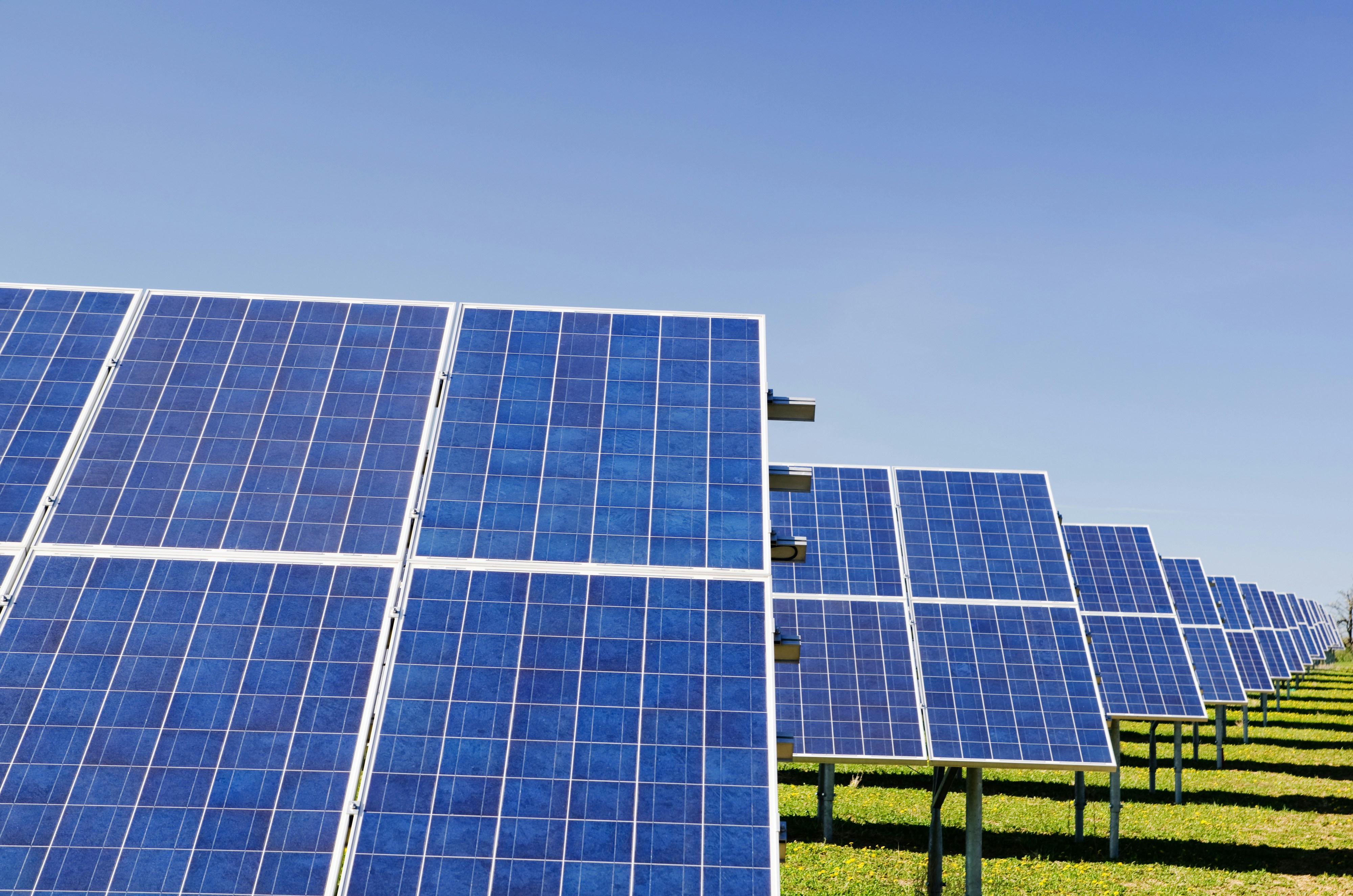
Citing examples from Europe, Lomborg noted that countries like Germany and the UK have some of the highest electricity prices in the world, directly correlated with heavy reliance on subsidized solar and wind energy. In Germany, for instance, electricity costs exceed 34 cents per kilowatt hour—more than twice the average price in the United States and nearly four times that of China. These high costs, he argued, fall disproportionately on lower-income residents who are forced to subsidize wealthier homeowners with rooftop solar panels.
Lomborg emphasized that wind and solar energy, while cleaner than fossil fuels, are fundamentally unreliable. Their dependence on favorable weather conditions means countries must build expensive backup systems—essentially paying for two energy infrastructures at once. Worse, grid instability, such as the recent blackout shared by Spain and Portugal, can result from over-reliance on intermittent energy sources.
Instead of doubling down on flawed strategies, Lomborg urged governments to pivot toward energy innovation. He pointed to fourth-generation nuclear reactors and emerging technologies like fusion and scalable battery storage as the real path to sustainable and affordable energy. These solutions, he said, have the potential to outcompete fossil fuels globally—not just in elite Western markets.
The conversation also touched on geopolitical and economic implications. With artificial intelligence expected to drive a 30–50% increase in energy demand in the West, countries that fail to meet those needs with reliable power risk being left behind. Lomborg warned that politicians obsessed with optics over outcomes could sacrifice economic competitiveness at a critical moment in global innovation.
Lomborg also critiqued the performative activism of figures like Greta Thunberg, who was deported from Israel after boarding a Gaza-bound “selfie boat.” He contrasted her shifting focus with the urgency of real energy reform, saying that if climate change were truly the existential threat she once claimed, she wouldn’t be abandoning the issue to chase unrelated causes.
Ultimately, Lomborg’s message was clear: the world’s energy future cannot be built on slogans and subsidies. Only innovation—backed by science, economics, and scalable technology—can deliver clean, cheap, and reliable energy to the billions who need it.
Bjorn Lomborg is the author of Best Things First and leads the Copenhagen Consensus Center. His work focuses on prioritizing the most effective solutions to global challenges.