




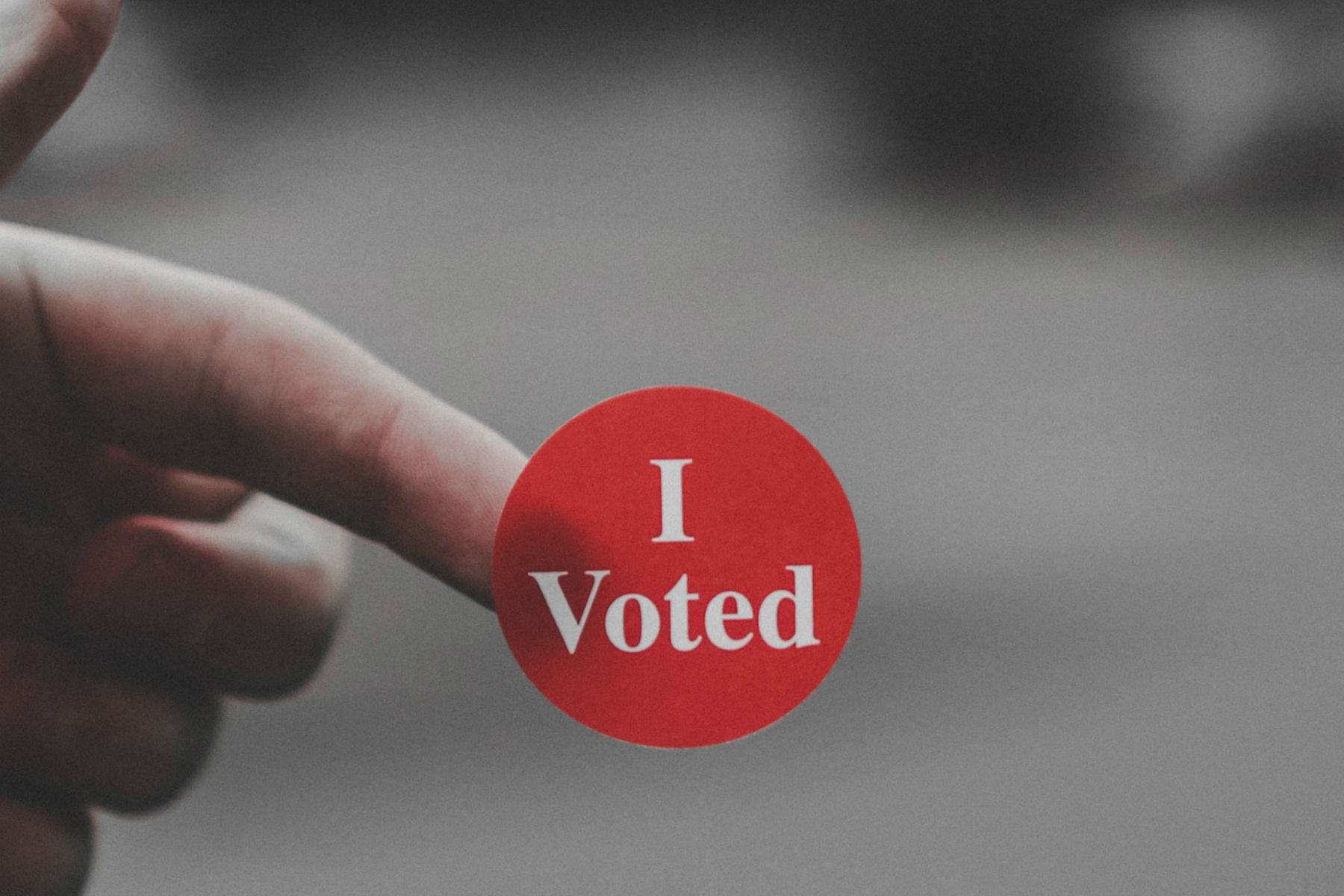
The redistricting debate that followed the Supreme Court’s Callus decision has produced a predictable wave of Jim Crow 2.0 rhetoric from Democratic politicians and media commentators, but David Sypher, freelance writer, black conservative culture critic, and contributor to the American Spectator, told Dan Proft on Chicago’s Morning Answer that the framing obscures a more honest conversation about what gerrymandering actually does to the voters it supposedly protects.
Sypher’s piece in The Hill, headlined Virginia Democrats Won the Vote on the Map But the Voters Lost the Fight, makes the case that the entire redistricting arms race benefits political parties at the direct expense of the electorate. He said when politicians draw maps that guarantee safe seats, the dynamic of a functioning democracy is inverted. Voters are supposed to elect politicians, but gerrymandering means politicians effectively select their voters in advance. The result is that the general election becomes political theater while the only genuinely contested race is the primary, which in turn gives both parties incentive to speak exclusively to their most extreme base rather than building coalitions or earning votes from skeptics. He said this is true whether Republicans or Democrats are doing the drawing, and that the real loser in every instance is the ordinary voter who deserves politicians who have to work for their support.
On the specific question of black political power, Sypher offered a counterintuitive argument that he said is not discussed nearly enough. Packing black voters into a single majority-minority district per state or region does not maximize black political power. It concentrates it in one guaranteed seat while eliminating the leverage that a dispersed and potentially decisive voting bloc would have across multiple competitive districts. He said if black political power is entirely dependent on a court ruling or a particular map configuration rather than on the persuasive force of a large, organized constituency, it is not really power at all. Competitive districts, where candidates of both parties have to earn votes from people they cannot take for granted, actually create more opportunity for black voters to function as a genuine swing vote with real negotiating leverage, which is a stronger position than being packed into a district designed to produce a predetermined outcome.
Proft raised AOC’s comments at David Axelrod’s Institute of Politics at the University of Chicago, in which she argued that guns work differently in inner-city neighborhoods than in rural Vermont and that community circumstances should determine gun policy. Sypher said the racial subtext is clear even if unintentionally stated: the argument effectively implies that law-abiding residents of urban minority neighborhoods cannot be trusted with the same Second Amendment rights that rural white Americans enjoy. He said if anything the argument runs the other direction from a public safety standpoint, since residents of high-crime urban neighborhoods may have a more pressing need for the means of self-defense than syrup farmers in Vermont.
On Maryland Governor Wes Moore’s response to a question on Patrick Bet-David’s podcast about whether he would support a fourteen-year-old son who wanted to undergo gender transition, Sypher said he thought Moore was trying to be measured and that the deliberate muting of his answer reflects the shifting political terrain on transgender issues. He said the general public has moved away from these culture war questions and toward concrete concerns about the economy and gas prices, and that Moore could see in his audience both the need to signal ideological alignment with his donor base and the desire not to alienate the broader electorate he would need for any future presidential run. Sypher said anyone watching the response with any clarity could see Moore saying what he thought various audiences wanted to hear without committing to a clear position.
On the Jim Crow 2.0 framing more broadly, Sypher said it is predictable given the raw material of the redistricting fights, and that he understands the outrage even as a black conservative who views the analysis differently. He said the telling inconsistency came from South Carolina Congressman Jim Clyburn, who on one hand condemned the new maps as Jim Crow 2.0 while simultaneously suggesting Democrats could potentially win three seats under the new configuration. He said you cannot simultaneously argue that a map disenfranchises Black voters and acknowledge that your party might do better under it than under the previous arrangement without revealing that the Jim Crow framing is primarily political rather than analytical.