




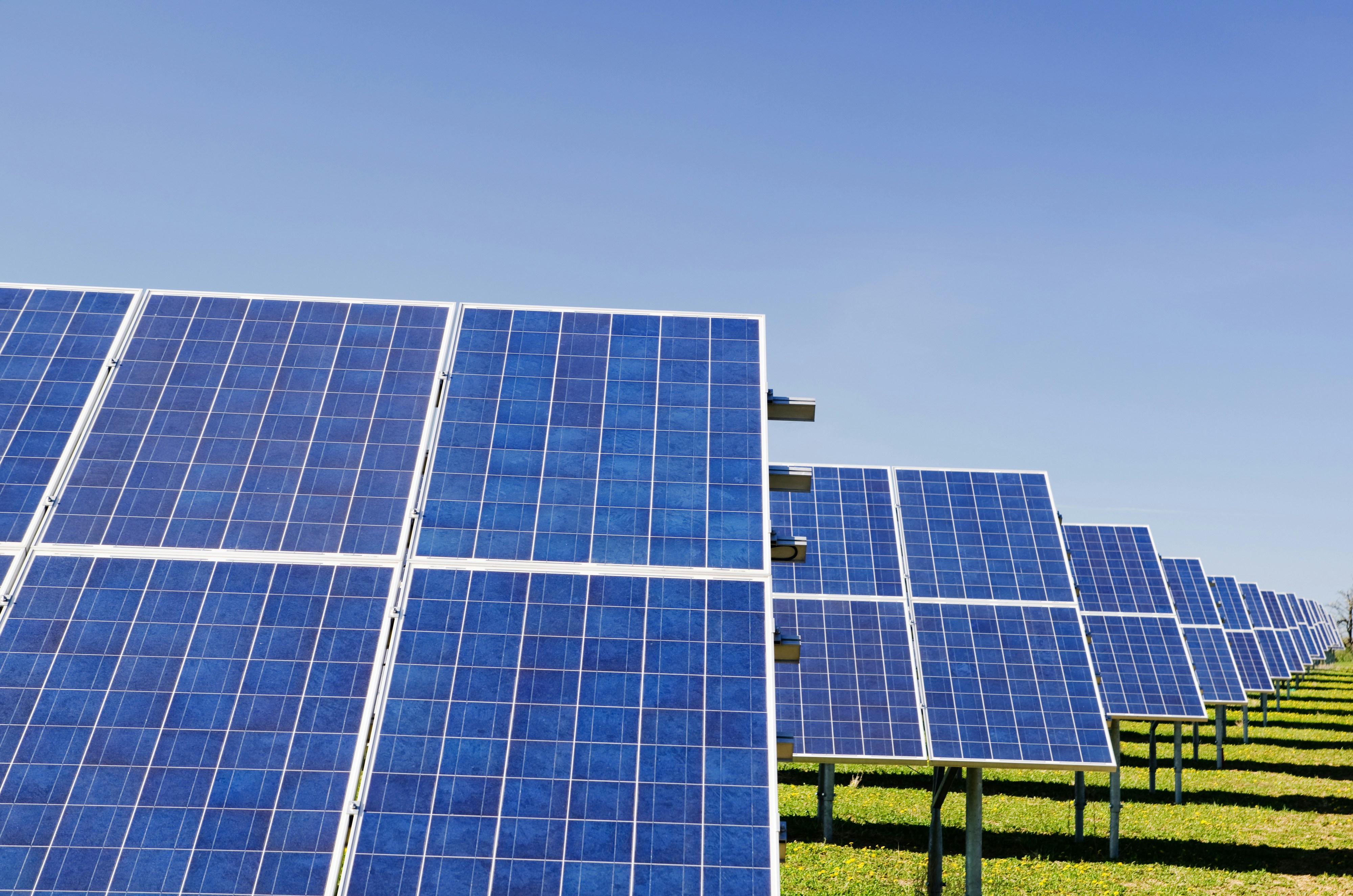
On Chicago’s Morning Answer with Amy Jacobson and Jim Iuorio, energy policy analyst and author Steve Goreham discussed the recent House-passed “BBB” legislation and what it could mean for the future of green energy incentives, electric vehicles, and the broader energy landscape as artificial intelligence drives up electricity demand.
The May 22 vote in the House saw lawmakers moving to scale back longstanding federal subsidies for renewable energy projects. Goreham noted that tax credits and grants supporting wind, solar, and electric vehicles—some in place since the early 1990s—were drastically expanded under the 2022 Inflation Reduction Act, ballooning annual incentives from $15 billion to roughly $100 billion. The new legislation would roll much of that back.
“This is a big shift,” Goreham said, “and it has the potential to reshape how renewable projects get funded and whether electric vehicles remain viable for mainstream consumers.”
One of the most significant potential impacts would be the elimination of the $7,500 electric vehicle tax credit. Goreham said this would likely drive a short-term rush in EV sales before the benefit disappears but could depress long-term demand. In fact, he pointed out that EV adoption already appears to be slowing despite current incentives: AAA recently reported that only 16% of American drivers plan to consider an EV for their next car, the lowest percentage in five years.
As for commercial electric trucks and buses, Goreham highlighted the collapse of California’s clean fleets mandate, which required all new heavy trucks registered in the state to be zero-emissions vehicles starting in 2024. That regulation was recently overturned after the EPA rescinded a federal waiver, placing the entire program—and similar plans in other states—on hold.
Goreham criticized the economic logic of electric heavy vehicles, citing higher costs, shorter range, and the need for more vehicles to maintain shipping capacity. “It’s not environmentally friendly when you need twice as many trucks on the road,” he said.
He also cast doubt on the future of large-scale wind and solar, especially as America’s energy demand begins a new growth curve fueled by AI. Citing forecasts from states like Virginia and Texas, Goreham said electricity needs are projected to more than double in the coming decade—largely because of massive power requirements for AI-driven data centers. “You can’t power AI with solar panels and wind farms alone,” he said.
In response, utilities are extending the life of coal and nuclear plants and building over 200 new natural gas plants. Private companies like Tesla are reportedly building their own power stations to keep up with AI-related needs. This “bring your own power” trend, Goreham said, is a sign that the energy transition envisioned by many green advocates is hitting real-world limitations.
When asked about nuclear power, Goreham said he sees it as a critical but currently expensive part of the mix. Nuclear plants take a decade or more to build and face regulatory hurdles that raise construction costs significantly. Still, he said the technology has potential—particularly if cost and regulatory breakthroughs can be achieved.
Goreham’s latest book, Green Breakdown: The Coming Renewable Energy Failure, is set to release August 1. It explores what he calls the unsustainable economics and logistical challenges of the current clean energy push. It also includes a collection of unusual climate-related claims, including one that a dating site blamed global warming for rising rates of infidelity—a claim Goreham says is emblematic of the increasingly far-fetched narratives surrounding climate change.
As the energy landscape evolves in response to political shifts, market realities, and emerging technologies, Goreham argued that the future will likely include a mix of legacy fuels, nuclear, and selective renewables—but not the green energy utopia envisioned by federal planners just a few years ago.