




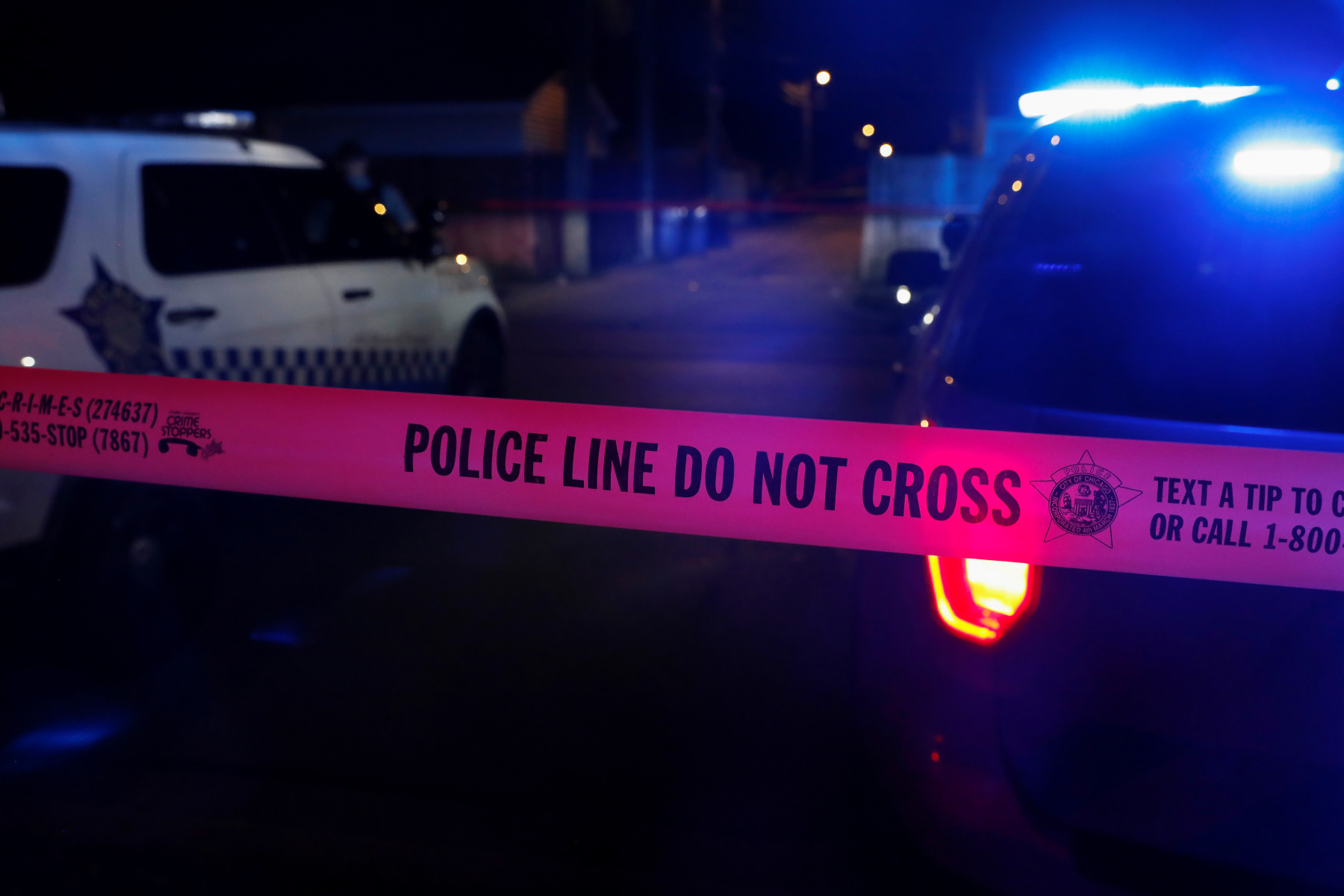
Chicago Fraternal Order of Police President John Catanzara Jr. returned to Chicago’s Morning Answer this week, joining Amy Jacobson and Jim Iuorio for a frank discussion on the state of the city, crime policy, and the political trajectory of Mayor Brandon Johnson.
Catanzara, who previously weighed a run for mayor himself, was unrestrained in his assessment of Johnson’s administration. Reacting to a recent Chicago Tribune editorial warning New York voters not to elect a progressive mayor in the mold of Johnson, Catanzara agreed with the sentiment—adding that New York’s candidate might be “even worse.”
“This is what people voted for,” Catanzara said, referring to Johnson’s progressive platform, which included controversial positions such as eliminating cash bail, reducing police funding, and limiting foot pursuits. “It’s exactly what he promised, and it’s exactly what we got.”
Catanzara was critical of what he sees as inflated egos and hypocrisy in recent city leadership. He specifically highlighted the large security details assigned to Johnson and previous mayors, calling it an unnecessary use of city resources. “Brandon Johnson talks about growing up on the West Side, but he’s chauffeured around like royalty,” Catanzara said. “His kids aren’t in any danger—but he uses police like personal valets.”
The interview also delved into specific grievances within the police force, including delayed pay for cadets and a long-standing legal battle over unpaid overtime compensation. According to Catanzara, some officers are still owed for overtime worked as far back as a decade ago, with the city facing a potential liability in the hundreds of millions of dollars. “They’ve lost every step of the way in court, but still refuse to pay,” he said.
He also drew a connection between recent declines in violent crime and a shift in prosecutorial policy under Cook County State’s Attorney Kim Foxx’s successor, suggesting that the willingness to prosecute criminals is deterring crime more effectively than anything coming from City Hall. “It’s not because of any new initiative from the mayor or even the police department,” he noted. “It’s because criminals are finally facing consequences again.”
The conversation turned toward broader concerns about the city’s future, particularly the growing perception that suburban areas are overtaking Chicago in commerce and livability. Catanzara warned that unless leadership prioritizes accountability and public safety, the city risks accelerating its decline.
He also addressed ongoing frustrations around law enforcement’s limited ability to respond to quality-of-life issues, such as littering and lakefront disorder. “Until there’s an adult in the room at City Hall who doesn’t care about popularity and lets police do their jobs, nothing’s going to change,” he said.
The interview closed on a grim but familiar note for longtime city observers: a sense that Chicago is at a crossroads, with leadership choices today setting the trajectory for years to come.
“There’s two and a half more years of this nonsense,” Catanzara said. “All we can do is hang in there—and try to survive it.”