




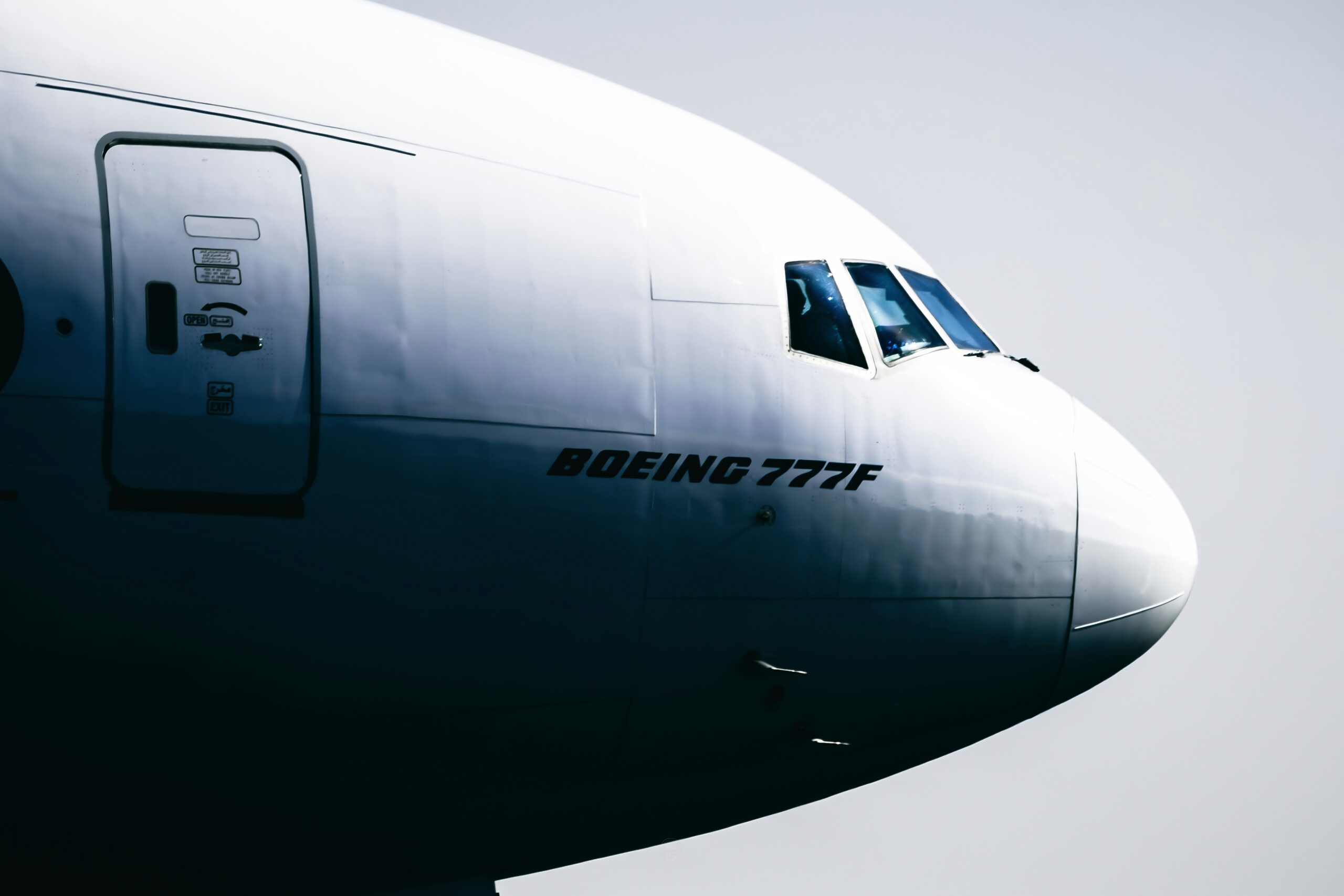
As travelers gear up for summer vacation and Fourth of July getaways, concerns about airline safety have returned to the spotlight following the fatal crash of an Air India aircraft earlier this year. Aviation journalist, pilot, and Jetwine.com publisher Robert Mark joined Chicago’s Morning Answer with Amy Jacobson and Jim Iuorio to discuss what is known about the incident and what it could mean for travelers, pilots, and Boeing’s reputation.
Mark, a commercial pilot with over 50 years of experience, emphasized that while video footage from the crash has surfaced, the exact cause of the accident remains unknown. The investigation is being led by Indian authorities, and unlike U.S.-based investigations conducted by the National Transportation Safety Board (NTSB), updates have been limited. Although a U.S. safety representative is participating in the inquiry, Indian officials have opted not to share detailed interim findings.
According to Mark, video evidence shows that the aircraft, a Boeing 787 Dreamliner, took off but failed to retract its landing gear during initial ascent—something that normally occurs within seconds of liftoff to reduce drag. The plane reached about 400–500 feet before stalling and descending rapidly. That lapse in altitude and lack of lift could point to a power failure or another form of mechanical breakdown. However, until the flight data and cockpit voice recorders—commonly known as black boxes—are analyzed and made public, the cause is purely speculative.
The crash marks the first fatal accident involving the Dreamliner, a model with an otherwise strong safety record. Mark affirmed that the aircraft remains safe to fly and that, if a design flaw were responsible, similar incidents likely would have emerged earlier in the plane’s operational history.
The conversation also touched on Boeing’s broader track record. Mark referenced the infamous 737 Max disasters in 2018 and 2019, which were tied to a malfunctioning automated control system Boeing failed to disclose to pilots. That debacle—unlike the recent Air India incident—was clearly attributed to poor engineering decisions and corporate oversight, and it drastically altered the company’s reputation.
Jacobson and Iuorio asked about how airline safety issues typically unfold behind the scenes. Mark noted that unlike automotive breakdowns, airplane failures are rarely tied to a single cause. “It’s usually a chain of small issues,” he said. That’s why comprehensive investigations are necessary, especially when there are questions about pilot error, mechanical systems, or even airline maintenance protocols.
Despite the tragic nature of the crash, Mark reassured listeners that commercial aviation remains one of the safest modes of transportation. He pointed out that flying on modern aircraft—even those involved in high-profile incidents—is statistically far safer than most other travel options.
While the full truth about the Air India crash is still months away, Mark encouraged passengers to remain vigilant but not fearful. He also reminded travelers to be cautious about false information circulating online, including AI-generated accident reports masquerading as official documents.
For now, the best course of action for flyers is to stay informed and trust the rigorous standards applied by reputable airlines and manufacturers. As Mark put it, until we hear more from investigators, speculation should not outweigh decades of proven safety performance.