




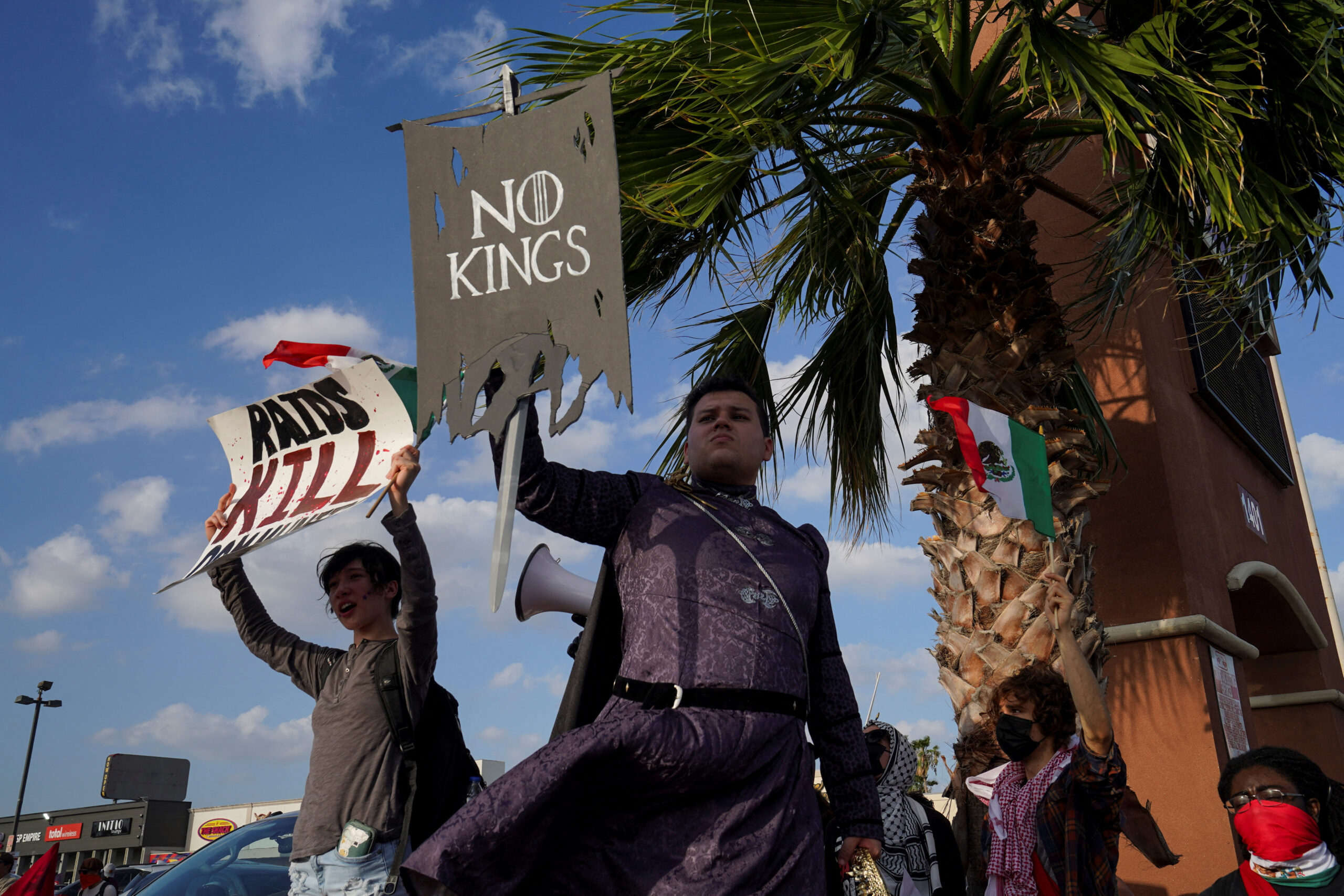
British psychiatrist and social critic Theodore Dalrymple offered a skeptical take on the growing popularity of so-called “rage rituals” and group scream therapy sessions, calling them emotionally counterproductive and psychologically misguided. Dalrymple, a longtime contributor to City Journal and senior fellow at the Manhattan Institute, also weighed in on the political rhetoric surrounding immigration in both the U.S. and Western Europe.
The segment opened with host Dan Proft describing a rise in organized “rage release” events, from women-led forest retreats to a new weekly “Scream Club” on the Chicago lakefront. Proponents claim such sessions allow participants to release deeply buried anger and trauma through screaming and physical expression in a controlled setting. Dalrymple, however, dismissed the idea that emotional release through yelling leads to healing.
“Anger is a pleasurable emotion,” he noted, arguing that such rituals can reinforce and even deepen feelings of rage rather than resolve them. He drew on his experience in psychiatry to caution against the belief that unexpressed emotions fester like toxins and must be expelled. Instead, Dalrymple contended that restraint, reflection, and emotional maturity are more effective approaches. “The more you express your anger, the more you feel it,” he said, suggesting that group rage sessions could foster a performative competition over who feels most wronged.
Later in the interview, Proft and Dalrymple turned to politics, specifically immigration and public sentiment. They discussed recent statements from Los Angeles Mayor Karen Bass, who proposed handing out cash cards to undocumented immigrants fearful of leaving their homes due to immigration enforcement. Dalrymple compared this to trends in Western Europe, where officials have struggled to manage migration flows and enforce border policies.
Dalrymple pointed to a seeming rhetorical shift in Britain, where Labour Party leader Keir Starmer has moved away from his earlier support for open borders. While acknowledging the change in tone, Dalrymple questioned whether it would translate into action, characterizing it as part of a political culture where “words count more than deeds.” He noted that actual deportation rates in Europe remain low, despite increased public frustration.
Drawing from a recent trip through Paris, Dalrymple described the sight of migrant encampments near the city center and recounted a conversation with a taxi driver—himself the child of immigrants—who expressed anger at the government’s inaction. He cited data showing that in Vienna, nearly half of all school-aged children are from Muslim immigrant backgrounds, adding that public anxiety is mounting, but responses remain slow and symbolic.
Though critical of how both emotions and immigration are being handled in modern societies, Dalrymple emphasized that real solutions require more than surface-level gestures. “You can’t think properly if you don’t get the language right,” he said, warning that mislabeling illegal immigration as asylum-seeking or treating rage as empowerment ultimately muddies public discourse and policy alike.
His remarks offered a sobering counterpoint to trends that emphasize emotional expression and inclusive messaging, arguing instead for personal discipline and policy grounded in realism.