




As AI becomes the centerpiece of both economic headlines and political platforms, Mark Mills, founder of the National Center for Energy Analytics, is urging caution—not against the technology itself, but against the reflex to overregulate it. In an interview with Dan Proft on Chicago’s Morning Answer, Mills joined a growing chorus of experts, including Mike Rowe, who are sounding the alarm not about robots taking jobs, but about the lack of skilled workers to build the future.
Mills argued that while concerns about AI displacing workers are real, the greater threat lies in how governments might try to manage this disruption. He likened current fears about automation and AI to historical periods of economic transformation, such as the rise of the railroad or the invention of the loom. These changes were both productive and painful—producing new industries while phasing out old ones. According to Mills, the key is to let markets adjust naturally rather than assuming that regulators can perfectly guide technological outcomes.
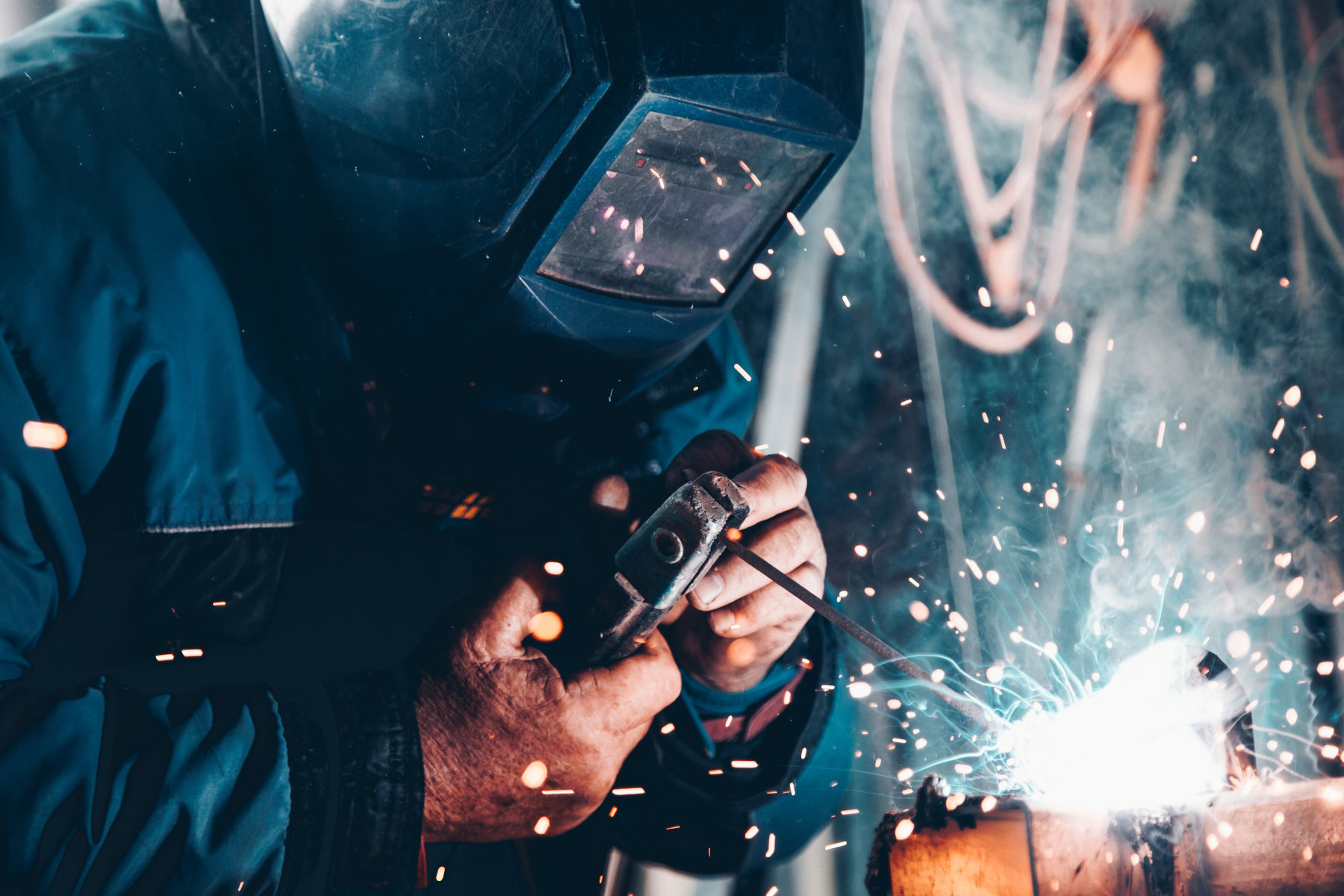
He emphasized that the AI revolution is already triggering explosive demand in skilled trades. Data centers, power plants, and other infrastructure projects require electricians, welders, and pipefitters at a scale not seen in decades. The rapid expansion of cloud infrastructure and AI applications is creating parallel job booms in logistics, manufacturing, and energy. Mills pointed out that while AI may reduce support staffing needs, it enhances the productivity of frontline workers and actually expands net employment when the full economic ecosystem is considered.
These workforce shortages are being felt in critical areas. According to Rowe, the maritime industrial base is currently short tens of thousands of skilled workers needed to build nuclear-powered submarines—a national security priority. At the same time, the automotive, energy, and logistics industries are experiencing similar bottlenecks. Mills pointed to the resurgence of shop classes and apprenticeships as a sign that young people are rediscovering the value of hands-on trades.
But as AI hype grows, so does political anxiety—particularly among younger generations. Mills noted that left-wing figures like New York mayoral candidate Zoran Mamdani are tapping into that unease by offering a vision of expanded state intervention and income redistribution. Mills compared this to the populist appeal that Donald Trump had with economically disaffected voters in the Midwest, calling it “the same instinct” adapted for a different cultural context.
That contrast—between self-reliance through marketable skills and dependency on state-led solutions—may define the next phase of political realignment. Mills sees this tension playing out in the policy debates over AI. Calls to heavily regulate the technology, he argued, are often rooted in a misplaced belief that central planners can anticipate and manage the future. Instead, he advocates for a light regulatory touch, focused on applying existing laws rather than inventing sweeping new ones.
Mills concluded that much of the AI discourse is overblown. While some white-collar jobs will be replaced or reshaped, the overall economic effect is likely to be net positive—if markets are allowed to adapt freely. He echoed the optimism of Home Depot co-founder Ken Langone, who recently said he wished he could live another 90 years to watch how AI transforms the economy.
In the short term, Mills acknowledged the growing pains: labor shortages, rising wages, and uncertainty. But in the medium and long term, he believes America is on the cusp of another major growth cycle—one fueled not just by silicon and code, but by copper wire, welding torches, and people with the skills to build.