




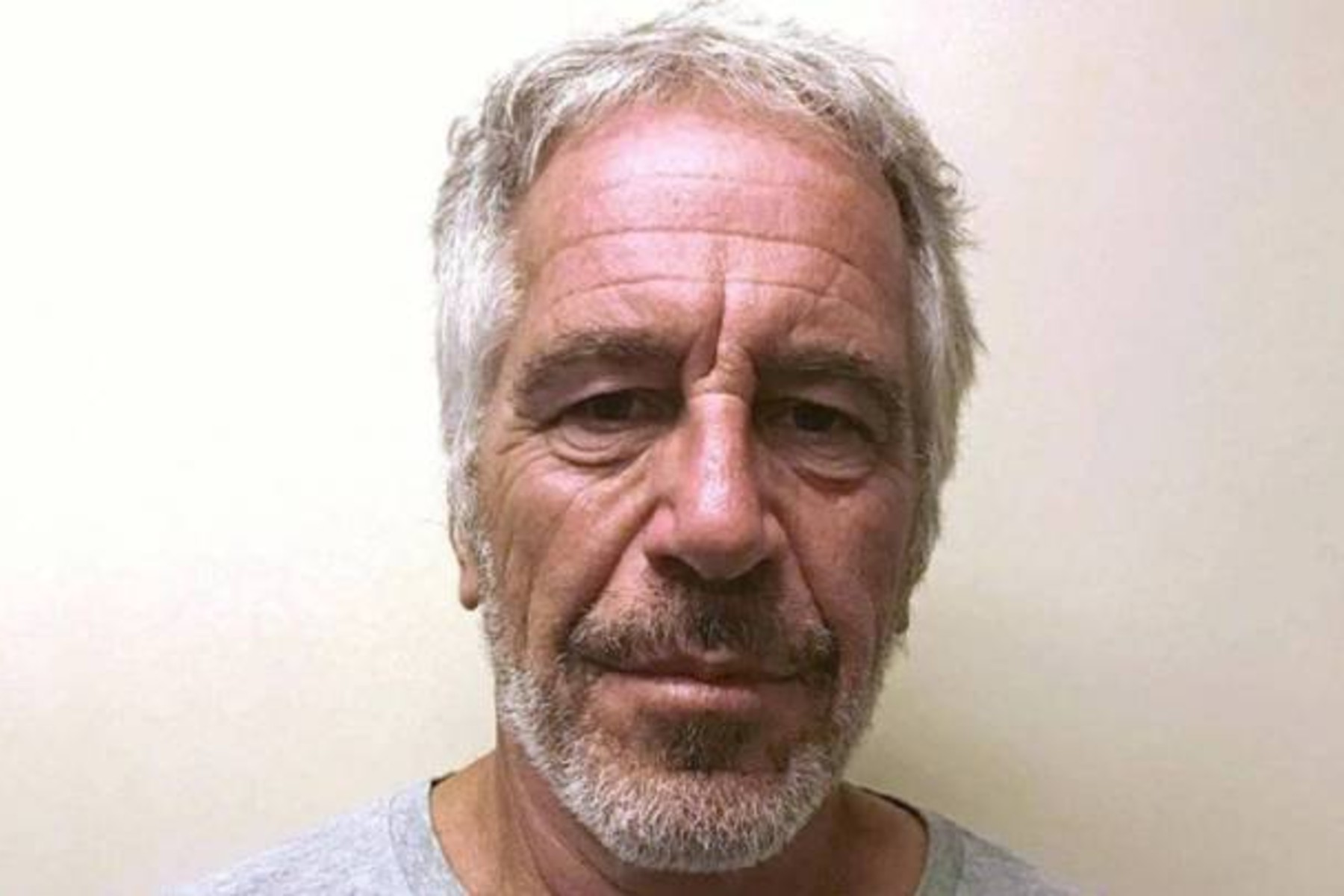
As speculation continues to swirl around the contents of a potential Jeffrey Epstein client list, retired FBI special agent and criminal profiler James Fitzgerald says the lack of transparency from federal authorities is undermining public trust—not only in the FBI, but in the broader political establishment.
Fitzgerald, best known for his role in cracking the Unabomber case, expressed frustration with how the Epstein investigation has been handled. He acknowledged the possibility that a list of high-profile figures tied to Epstein may exist, but said no one seems willing to step forward with concrete answers. Meanwhile, rumors, contradictory reports, and unresolved claims continue to circulate.
Fitzgerald emphasized that while conspiracy theories can run wild in the absence of facts, that void is often created by the very agencies and officials who refuse to provide even partial clarity. He said that although he personally believes Epstein died by suicide, there are enough open questions—particularly around potential intelligence ties and surveillance footage—that a fuller public accounting is long overdue.
The case has drawn renewed attention following recent reports of internal disagreements within the FBI, particularly involving former Secret Service agent and conservative media figure Dan Bongino, who now serves as deputy director. Bongino has publicly claimed to have firsthand accounts from credible sources about Epstein’s travel companions, including former President Bill Clinton, and alleged the existence of underage girls aboard Epstein’s jet. According to Bongino, agents who raised concerns were quietly removed from protective details and their electronic records were later reported “lost.”
Proft raised the issue of whether new leadership at the FBI—now headed by Bongino and Kash Patel—would bring long-awaited transparency. But Fitzgerald was cautious, suggesting that if political figures on both sides are implicated, there may be bipartisan resistance to full disclosure. He speculated that some form of informal agreement could be in play to avoid mutual political damage.
One potential breakthrough could come from Ghislaine Maxwell, Epstein’s longtime associate, who is currently serving a 20-year sentence for trafficking minors. Maxwell has reportedly expressed a willingness to testify before Congress, and Fitzgerald believes that if she is indeed prepared to speak publicly, lawmakers should act quickly to make that happen. He also noted the recent suicide of one of Epstein’s victims, Virginia Giuffre’s associate in Australia, as another tragic reminder of the unresolved nature of the case.
Fitzgerald expressed disappointment that, despite promises made by Republican leaders and former Florida Attorney General Pam Bondi, little information has been disclosed to date. He proposed that an independent committee be allowed to review the evidence held by the Department of Justice and determine what, if anything, can be responsibly released to the public.
While acknowledging the national security implications of sensitive intelligence material, Fitzgerald argued that redactions and careful vetting are always possible. He believes that some level of accountability is critical—not just for the victims and their families, but for the credibility of institutions like the FBI, which have been politically battered in recent years.
The conversation ultimately returned to the central tension: many Americans feel they are being denied the truth, and that legitimate questions are being dismissed as partisan distractions. Fitzgerald warned that in the absence of transparency, faith in law enforcement and government continues to erode, no matter which party is in power.
As investigations stall and political leaders trade accusations, Fitzgerald’s call for a nonpartisan review and a straightforward presentation of the facts may be the clearest path forward—if anyone is willing to take it.