




Sam Olson, the field office director for Immigration and Customs Enforcement (ICE) in Chicago, appeared on AM560’s Chicago’s Morning Answer with Dan Proft to address recent controversies involving ICE, including false claims of migrant kidnappings, mounting political rhetoric, and the realities of immigration enforcement.
The interview followed a high-profile case out of Los Angeles, where a woman named Julie Calderon allegedly faked her own abduction by ICE agents. Federal investigators have charged Calderon with filing false reports and conspiracy after uncovering surveillance footage and mobile data that contradicted her claims. A staged press conference, complete with emotional appeals from supporters and a GoFundMe campaign, turned out to be part of what prosecutors say was an elaborate hoax aimed at provoking outrage and raising money.
Olson, who oversees ICE operations in the Midwest, said such incidents severely undermine public trust and jeopardize officer safety. He emphasized that ICE agents are local community members, not outsiders sent in to intimidate. “Our officers are from the communities they serve,” he said, highlighting that many have children in local schools and are committed to public safety.
ICE’s focus, Olson stressed, remains targeted enforcement—particularly on individuals with criminal backgrounds who pose a risk to public safety. He cited a recent arrest of a man from Mexico in Waukegan charged with concealing the body of a missing woman as an example of ICE’s mission to remove dangerous individuals. But he noted that local sanctuary policies, particularly in Illinois and Chicago, prevent cooperation with ICE, making enforcement more difficult and often more dangerous.
“Picking up someone from Cook County Jail is safer than finding them later on the street,” Olson said, reiterating a point made often by ICE leadership. Without notification from local law enforcement, ICE agents are forced into higher-risk field arrests, increasing the chance of confrontations with both targets and bystanders.
Proft and Olson also discussed broader coordination within the Department of Homeland Security (DHS). While Border Patrol handles enforcement at the nation’s borders and ports of entry, ICE is responsible for the interior—removing individuals who have violated immigration laws after entering the country. Olson explained that ICE works closely with other agencies including the FBI, DEA, and ATF when immigration cases intersect with other federal crimes.
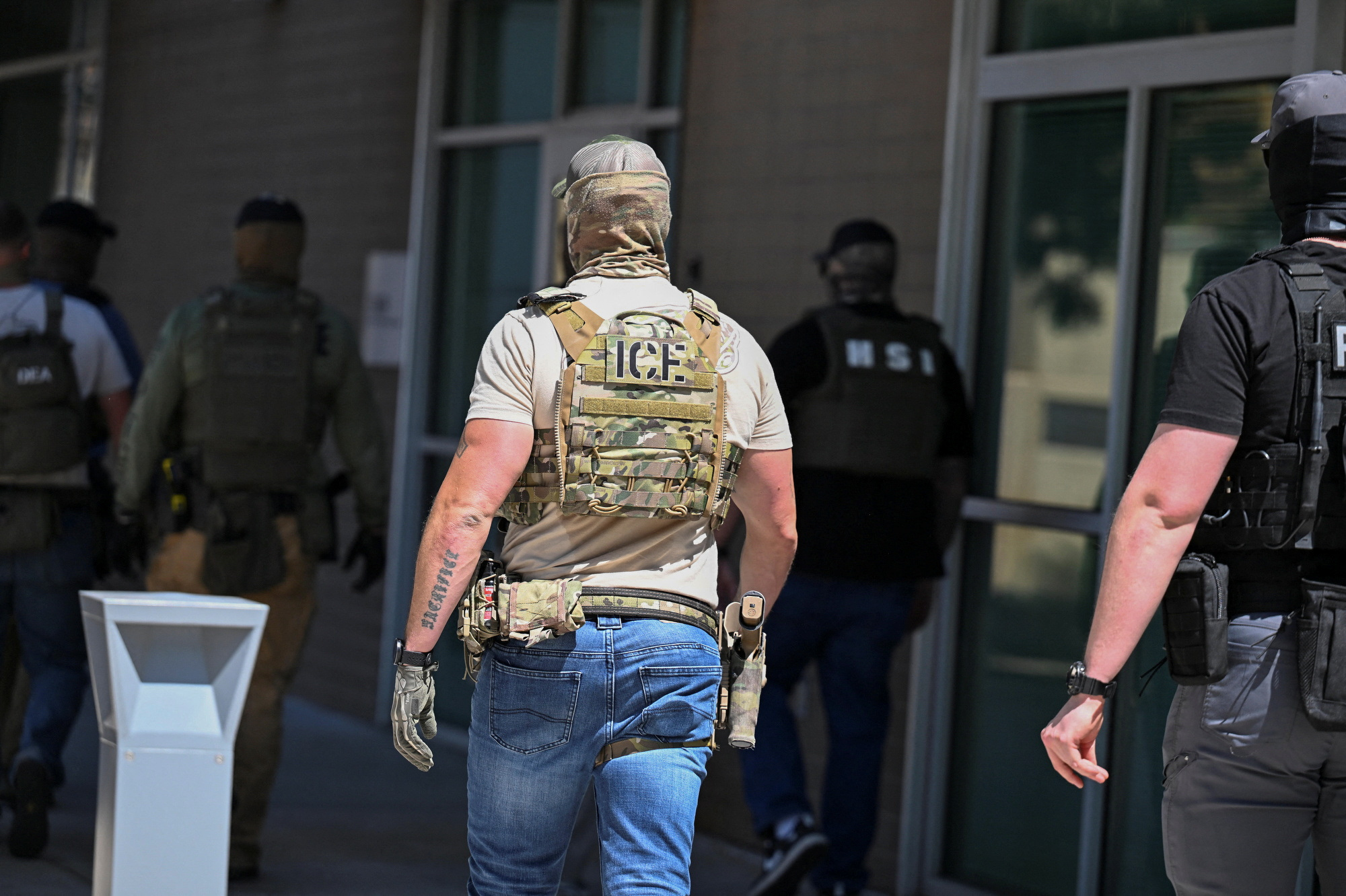
One major concern is the rising number of assaults on ICE officers. Olson said there’s been an 800% increase nationwide, a statistic he attributes in part to political rhetoric that paints ICE agents as villains. “This week alone, we had two officers assaulted just trying to do their jobs,” Olson said. He also confirmed that agents in Chicago have been doxxed—having their personal information exposed online—leading some to wear masks in public to protect their families.
When asked about conditions in detention, Olson pushed back on accusations that detainees are mistreated. ICE detention, he said, is not punitive but administrative, meant to facilitate deportation, not punishment. Detainees are provided with consular access, attorney privileges, and basic services that meet or exceed national standards. While Illinois has no ICE detention facilities, those apprehended in the region are transferred to facilities in surrounding states under federal oversight.
Olson also addressed the perception that detainees are being “disappeared,” as alleged in the Calderon case. He clarified that all individuals in custody can be located through ICE’s public detainee locator system. Families and attorneys are notified, and detainees have full access to legal counsel.
Ultimately, Olson framed ICE’s mission as one rooted in law and order—not politics. “We’re not enforcing laws we created,” he said. “We’re upholding laws that have been on the books for years.”