




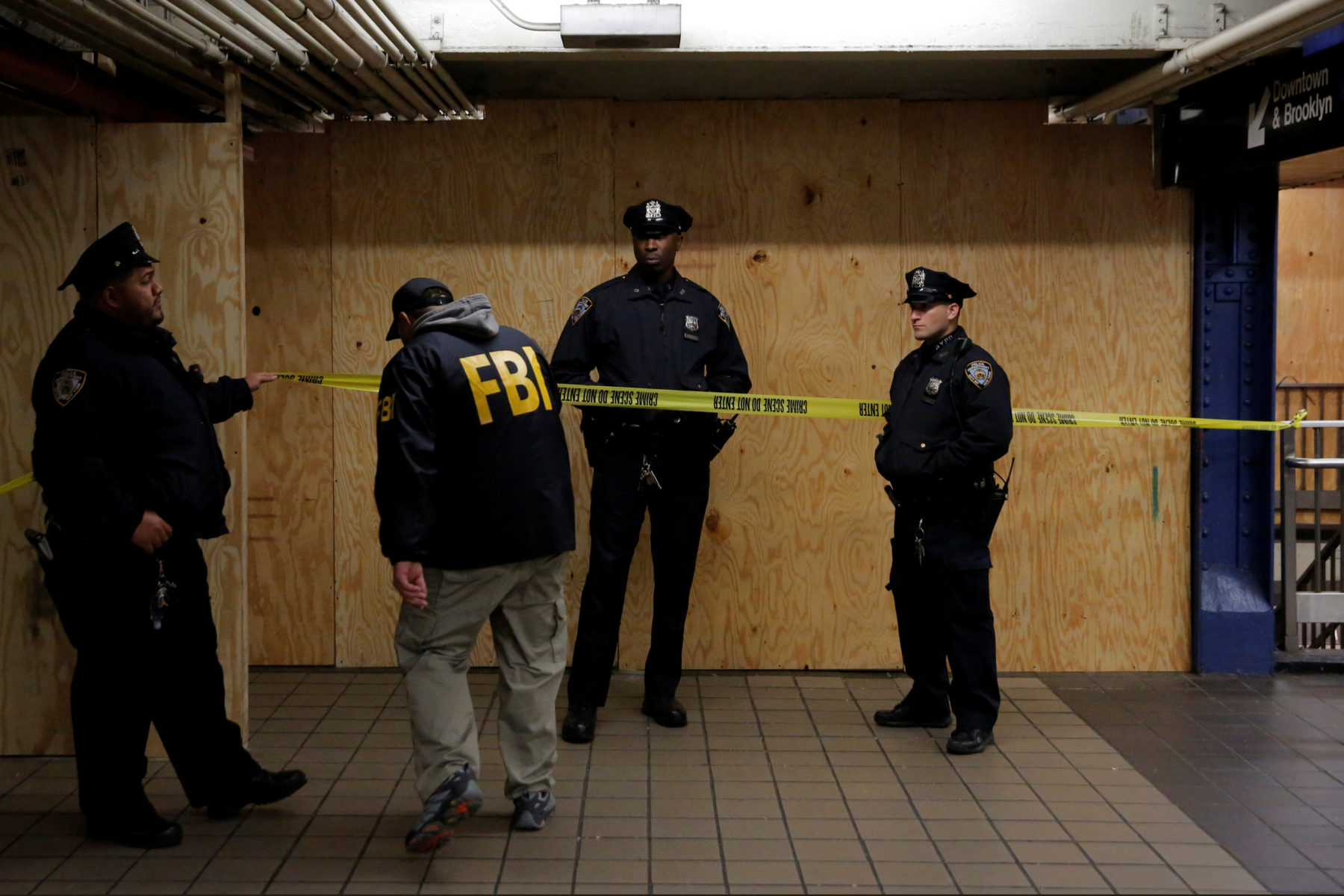
The death of Chicago Police Officer John Bartholomew and the critical wounding of his partner, combined with the confirmation hearing controversy over a proposed appointee to the Civilian Office of Police Accountability, provided the backdrop for a conversation with Bob Milan, former first assistant state’s attorney for Cook County and former assistant US attorney for the Northern District of Illinois, about the systemic failures enabling violent repeat offenders to remain on Chicago streets.
Alderman Silvana Tabares drew attention at the COPA confirmation hearing by questioning nominee Anjette Young’s fitness to serve on a civilian police accountability board, pointing to Young’s public statements calling police return fire in the Dexter Reed case excessive. Reed was shot by officers after he fired first, wounding one of them. Tabares noted that the commission has spent most of its existence pushing efforts to restrict officers while data shows violence against officers has increased since its creation following the George Floyd unrest. Milan said the statistics support Tabares’s argument, noting that police-involved shootings where officers were forced to fire have actually declined in recent years while violence directed at officers has risen sharply.
On the failure of State’s Attorney Eileen O’Neill Burke’s office to aggressively use available legal tools to challenge judicial decisions releasing dangerous defendants, Milan said the assistant state’s attorneys arguing individual cases have been making strong records in hearings, but that the office has almost never filed appeals of pre-trial release decisions despite having clear authority to do so under Supreme Court Rule 604, which allows prosecutors to seek appellate review of a judge’s decision to release a defendant. He said he is not aware of a single appeal being filed on any of these cases over the years, and that this has to change. He said the tally case, in which the man charged with killing Bartholomew was released despite a history of violent offenses including armed robbery, attacking a correctional officer, and motor vehicle theft, was a perfect example of an outcome that should have been challenged and wasn’t.
He said Burke’s silence on the Safety Act itself is equally troubling. As state’s attorney for the largest county in Illinois, she is the elected official most directly confronting the law’s consequences every day, and yet she has taken no public position on amending it. Milan said he is not calling for full repeal, which he acknowledged is politically unrealistic, but that four or five targeted amendments would transform the act from what he called a danger act into a functional public safety tool. Those amendments would give judges discretion to detain defendants charged with Class A felonies or higher based on both the charged crime and criminal history, eliminate the requirement that prosecutors file formal petitions to detain in cases involving violent offenses, allow judges to detain defendants who violate conditions of release including missed court appearances and failed drug tests, and end the electronic monitoring program that he said simply is not working as an alternative to detention.
On the judge in the Tally case specifically, Milan said when he described releasing a man with Tally’s violent history on the grounds that he had matured because he now had a child and that his prefrontal cortex was not fully formed at twenty-five, he was providing cover language for a decision driven by political culture rather than legal reasoning. He said if ten ordinary citizens with no legal training heard the same facts, four violent convictions and a new charge involving armed carjacking and robbery, none of them would release the defendant. The judicial culture in Cook County, he said, reflects pressure from the political power structure that controls judicial career advancement, meaning judges who want to reach the appellate court or the Illinois Supreme Court understand what is expected of them and act accordingly. He said this is not abstract speculation but the only explanation that makes logical sense given the decisions being made.
On the Kim Foxx deposition revelations, Milan explained the legal standard for a certificate of innocence, which requires not merely a not-guilty verdict but affirmative proof of actual innocence, a meaningfully higher bar. He said under Foxx’s administration certificates were being granted at an extraordinary rate, and that what makes her deposition testimony so troubling is that she said under oath she personally believed certain men who received certificates were guilty of murder, yet her office nonetheless stopped opposing those certificates after five years of resistance. He said she owes the public an explanation for what changed in the evidentiary picture that justified that reversal, and that in the absence of any such explanation the reasonable inference is that the office was simply capitulating rather than fighting. He said certificates of innocence are then waved in federal and state courts to convert what he called murderers into millionaires through civil settlements, and that victims’ families were not being notified when Foxx’s office dismissed cases or stopped opposing certificates, leaving them to learn from news reports that the people convicted of killing their loved ones were receiving million-dollar payouts.