




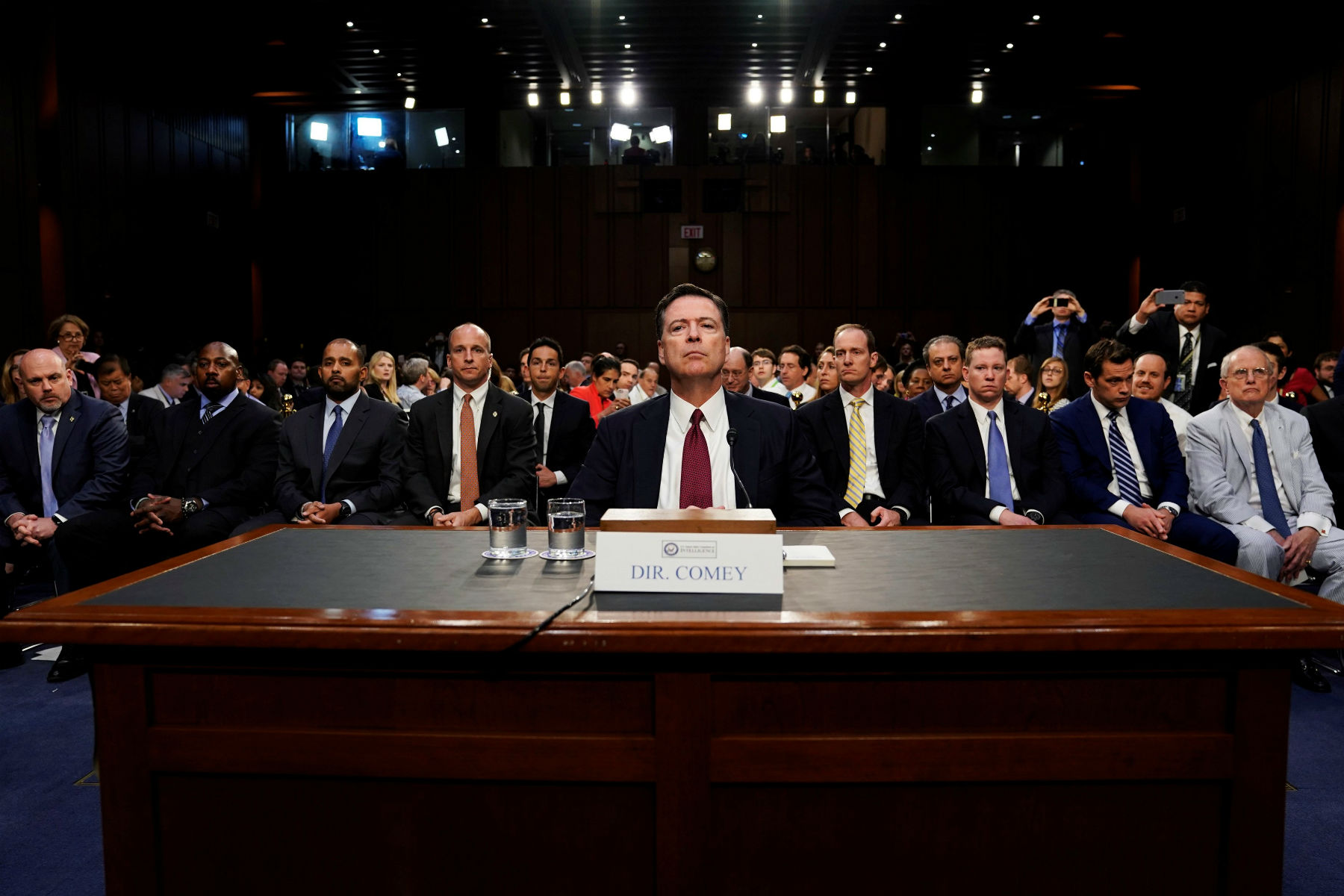
University of Chicago law professor Richard Epstein joined host Dan Proft to discuss the potential legal consequences for former intelligence officials involved in the RussiaGate saga, including James Clapper, John Brennan, and James Comey. The discussion was sparked by an ongoing debate in legal circles, including a recent exchange in The Free Press between constitutional scholars Jed Rubenfeld and Josh Hammer, about whether the trio could face charges such as perjury or conspiracy to defraud the United States.
Epstein, while acknowledging the severity of the conduct alleged in recently declassified documents—including misleading statements to Congress and possible manipulation of intelligence assessments—urged caution before initiating criminal proceedings. “I generally do not like criminal prosecutions of public figures,” Epstein said, warning that such actions risk further distorting American politics and could become a prolonged and damaging distraction, akin to the Mueller investigation.
Nonetheless, Epstein agreed that the actions of Brennan, Clapper, and Comey—particularly their roles in promoting the now-discredited Steele Dossier and suppressing the Hunter Biden laptop story—could rise to the level of criminality. He characterized their efforts as a form of “subversion” driven by “hubris” and said that if the evidence proves as strong as it appears, prosecutions may be warranted. Epstein noted that any such legal action should be based on solid, overwhelming evidence to avoid the perception of partisan retribution.
Proft pressed Epstein on whether refraining from prosecution would amount to political disarmament, particularly given the aggressive legal posture taken against figures like Donald Trump in recent years. Epstein acknowledged the dilemma, calling it a choice between “two miserable errors”—either inflaming political tensions through prosecution or appearing to allow elite figures to avoid accountability.
Both agreed that if prosecutions move forward, they should not be symbolic or lenient. Epstein argued that plea deals should only involve reductions in sentence length, not dismissals of charges or community service. “This stuff is really extremely serious,” he said, asserting that undermining an election process and deceiving Congress have far-reaching implications for the rule of law.
Despite these views, Epstein cautioned against having the prosecution led directly by individuals closely tied to Donald Trump, such as Pam Bondi, citing concerns over political optics and credibility. He recommended a collaborative, consensus-driven approach involving multiple legal experts and officials, rather than a unilateral decision from a potentially compromised Justice Department.
As new documents continue to emerge from the so-called “Gabbard Files” and as intelligence agencies hint at further revelations, Epstein concluded that any decision on prosecution should be deliberate and evidence-based. “It’s premature to do it now,” he said, suggesting that the strongest possible case should be assembled before any action is taken.
While the legal future of Brennan, Clapper, and Comey remains uncertain, Epstein’s analysis highlighted the complexity of prosecuting former high-ranking officials in a deeply divided political climate. His message: Proceed with caution—but don’t rule it out.