




Civil rights veteran and community leader Bob Woodson joined Chicago’s Morning Answer with Dan Proft to discuss the Cincinnati street attack that recently went viral, the media’s selective coverage of violent crime, and what he sees as the deeper moral and spiritual crisis facing America’s cities.
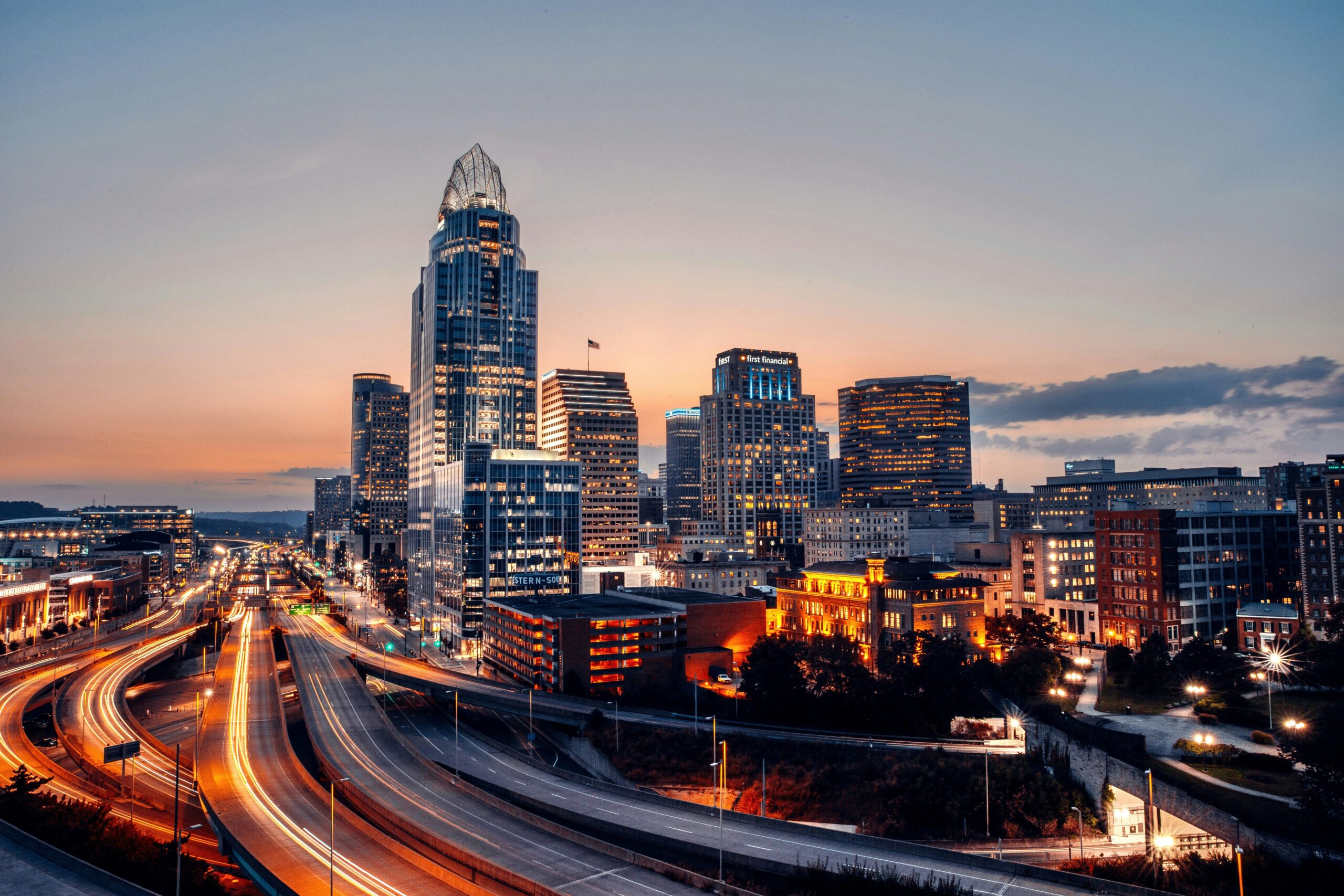
The incident in question involved Holly, a woman attending a birthday celebration who stepped in to protect a man being beaten by a mob outside a jazz festival in Cincinnati. Holly says she acted because onlookers were filming instead of calling 911, and she feared the victim would be killed after being repeatedly kicked in the face. The violent melee lasted 15 to 20 minutes before police arrived, raising questions about law enforcement’s response.
Woodson, founder and president of the Woodson Center, criticized both the media and city officials for downplaying the event. He argued that if the racial dynamics had been reversed — with white perpetrators and black victims — national coverage and public outrage would have been swift. Instead, he said, the story gained traction only through social media.
Pointing to Cincinnati’s history, Woodson described how earlier incidents led to what’s sometimes called the “Ferguson effect,” where police pull back from proactive enforcement in high-crime neighborhoods for fear of being accused of racism. He said this has often resulted in a sharp rise in violence, with the burden falling disproportionately on low-income Black residents.
Woodson argued that the focus on systemic racism not only distorts public priorities but also exempts individuals from personal responsibility. He contrasted the national silence over the 2021 shooting of four-year-old Ariana Delaney, George Floyd’s niece, with the political capital spent on racial grievance narratives. He also pointed out that most Black Americans — particularly those in low-income communities — do not support defunding the police and do not see racism as the greatest barrier to success.
Citing statistics that there are 1.7 million Black millionaires in the United States, Woodson said the largest income gap is now between upper-income and lower-income Black Americans, not between Blacks and whites. This, he argued, undermines the idea that systemic racism alone drives inequality.
Woodson called for shifting resources away from academic projects documenting racism and toward proven community-based initiatives that foster character, responsibility, and opportunity. He highlighted examples such as St. Mary’s Academy in New Orleans and the Piney Woods School in Mississippi, where students from disadvantaged backgrounds achieve near-universal graduation and college placement rates.
He also praised grassroots anti-violence work like that of Washington, D.C.’s Alliance of Concerned Men, which has reduced violence by 90% in the Greenway neighborhood by pairing youth with “moral mentors” and “character coaches.” Woodson said these successes show that the path forward must combine law enforcement (“weeding”) with investment in community-led transformation (“seeding”).
“The biggest crisis facing America is not race,” Woodson said. “It’s a moral and spiritual crisis consuming our young people.” He warned that a culture of grievance, coupled with a lack of moral guidance, leaves young people of all races vulnerable to despair, violence, and self-destruction.