




On Chicago’s Morning Answer, economist and author Stephen Moore joined host Dan Proft to discuss the economic challenges facing the United States, from misleading job statistics to the impacts of high minimum wages on teen employment.
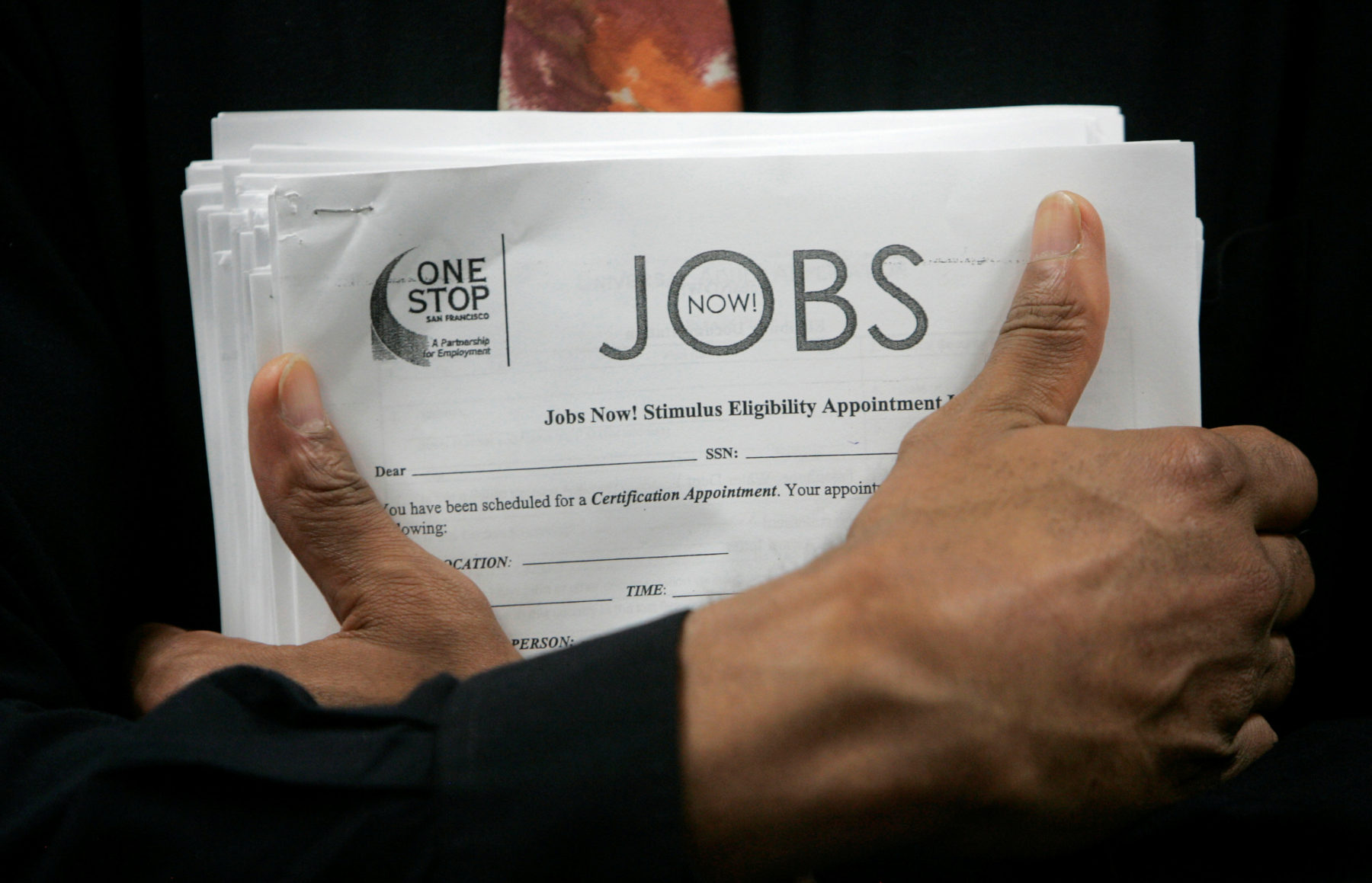
Moore pointed to recent revisions by the Bureau of Labor Statistics showing that nearly a million jobs reported as “created” during the last year of the Biden administration were overstated. He argued that over the past 30 months, job growth figures have been inflated by as much as 2.5 to 3 million, raising concerns about the reliability of federal data. Because markets and government policies are influenced by these reports, Moore warned that inaccurate numbers risk distorting public understanding of the economy.
The conversation also turned to state-level employment trends. Proft highlighted BLS data showing that states with higher minimum wages tend to have higher teen unemployment rates. Moore explained that young workers are often priced out of the job market when entry-level pay is set beyond the value of their labor output. He stressed the importance of teenagers gaining early job experience, describing it as one of the most formative steps toward long-term career success.
Beyond labor issues, Moore weighed in on broader economic policy questions. He said Wall Street could continue to move operations out of New York if city leadership embraces progressive policies such as those proposed by mayoral candidate Zoran Mamdani, who supports abolishing prisons and reimagining economic systems with socialist influence. Moore suggested such policies would further accelerate the migration of financial institutions to cities like Miami or Dallas.
On immigration enforcement, Moore drew a distinction between violent offenders and undocumented workers who hold steady jobs. While emphasizing the need to remove criminals, he floated the idea of a “pay to stay” policy that would allow otherwise law-abiding workers to remain in the U.S. legally by paying fines, without a path to citizenship.
The wide-ranging conversation underscored Moore’s recurring theme: data integrity and sound policy matter. Whether in jobs reporting, minimum wage debates, or immigration enforcement, he argued, decisions should be rooted in economic realities rather than political agendas.