




On Chicago’s Morning Answer, Dan Proft spoke with Bjorn Lomborg, president of the Copenhagen Consensus think tank and author of Best Things First, about the economics of climate policy, the shortcomings of renewable energy subsidies, and the global implications of current climate strategies.
Climate Change as a Manageable Problem
Lomborg emphasized that while climate change is real, it is not the apocalyptic crisis often portrayed in politics and media. He noted that leading climate economists estimate the long-term cost of global warming will be around 2–3% of global GDP by 2100. “That’s a problem,” Lomborg said, “but not the end of the world.” In his view, the mistake is pursuing policies like net-zero that cost far more—5, 10, even 20% of GDP—without delivering proportional benefits.
The Opportunity Cost of Trillions in Spending
According to Lomborg, the world spent more than $2 trillion on climate policies in 2023, yet the measurable impact on global temperatures will be negligible even by century’s end. He argued that this money could save more lives and improve human welfare if invested in addressing poverty, infectious diseases, food insecurity, and education—areas where billions, not trillions, could make a transformative difference.
The Hidden Costs of Renewables
Lomborg also pointed to data showing that countries with the highest shares of solar and wind in their energy mix tend to have the most expensive electricity. While renewables can be cheap when the sun is shining or the wind is blowing, the need for full-scale backup systems to guarantee 24/7 supply makes total energy systems more costly. He argued that Europe’s soaring electricity prices demonstrate the flaws of overreliance on wind and solar power, while fossil fuels remain cheaper and more reliable for most of the world.
China’s Strategic Play
The discussion also turned to China, which dominates global solar panel and wind turbine production. Lomborg noted that while Chinese leaders publicly champion green energy, the country still relies overwhelmingly on coal, with renewables providing only about 11% of its energy. He suggested that China’s climate rhetoric serves two purposes: to sell surplus green products abroad and to encourage Western nations to undermine their own competitiveness by adopting costly energy systems.
Separating Science from Hype
Finally, Lomborg drew a distinction between the careful work of climate scientists and the exaggerated narratives amplified in the press. Dire predictions about vanishing coral reefs, collapsing polar bear populations, or imminent climate catastrophe, he said, have consistently proven misleading. The science shows climate change is a long-term challenge, but not a justification for dismantling global prosperity.
Lomborg concluded that better policies would prioritize innovation in future low-carbon technologies while focusing today’s spending on cost-effective measures that improve human welfare.
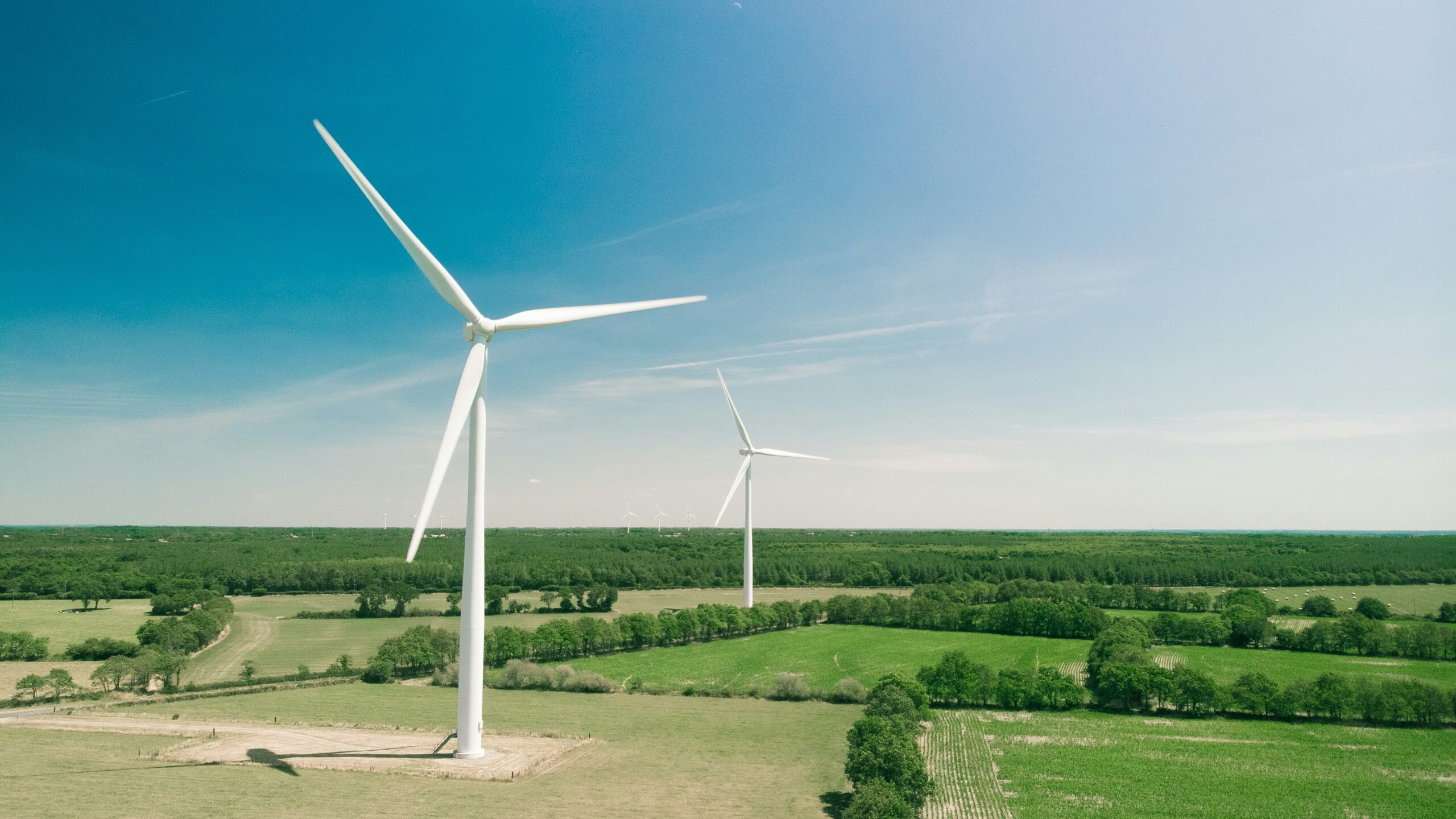
Photo by Thomas Reaubourg on Unsplash