




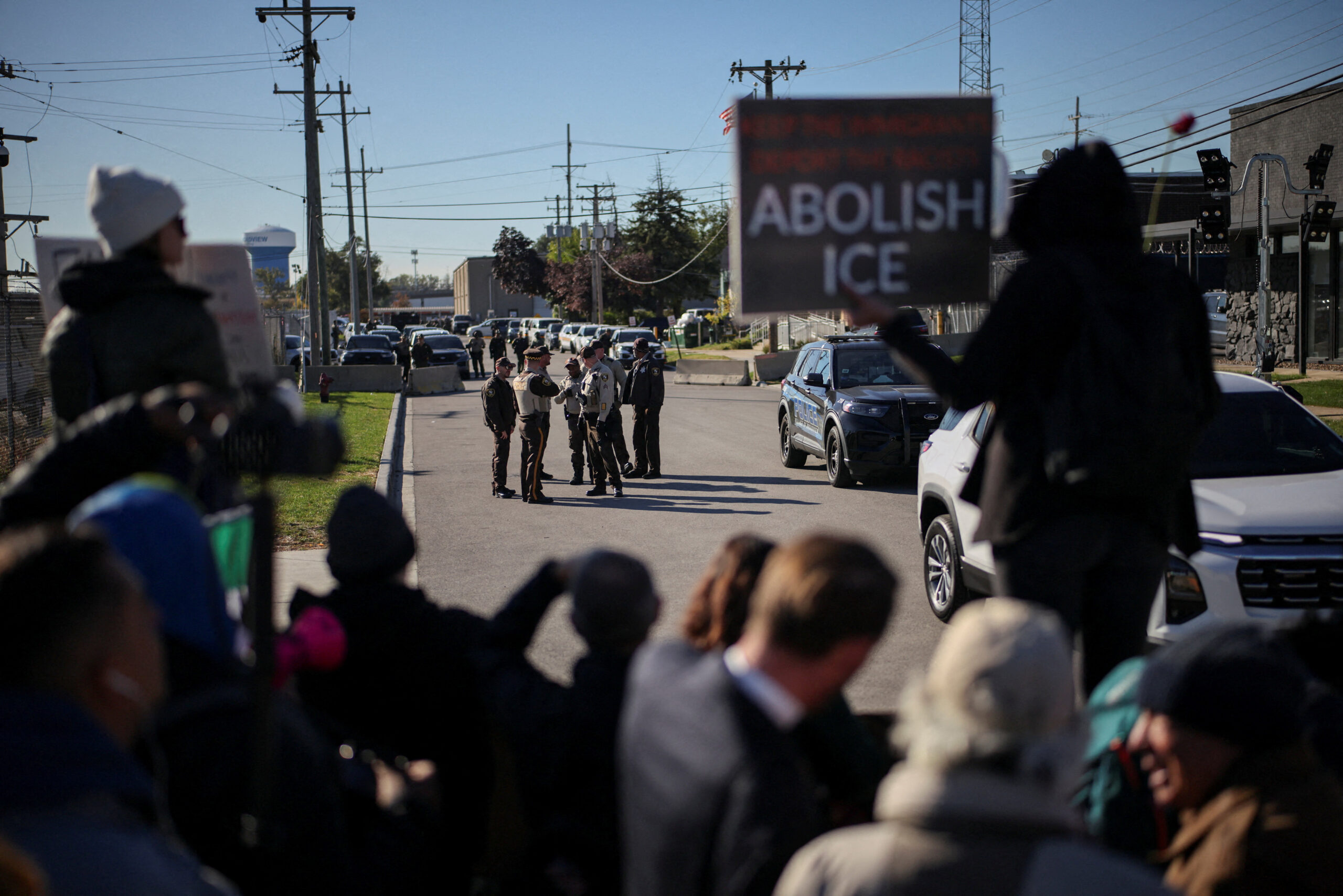
Retired Riverside Police Chief Thomas Weitzel joined guest host Chris Krok on Chicago’s Morning Answer to discuss rising tensions between federal and local authorities amid Illinois officials’ opposition to immigration enforcement. Weitzel said public statements from Mayor Brandon Johnson and Governor J.B. Pritzker condemning ICE operations are not only misleading but dangerous, fueling hostility toward police officers at every level.
Weitzel argued that local leaders have no authority to interfere with federal law enforcement, despite their threats to prosecute or block ICE agents. “They may try a publicity stunt,” he said, “but they can’t cross that jurisdictional line between local and federal authority.” He pointed out that federal personnel were welcomed when assisting at major events like the Democratic National Convention but vilified when working to reduce violent crime. “When they helped protect the DNC, everyone applauded. But now, using the same federal resources to fight street crime is somehow unacceptable.”
Weitzel, who has written extensively about policing policy, said the rhetoric from state and city leaders has emboldened extremists and put officers at risk. “They’re using terms like ‘ICE is snatching people off the streets’ or ‘kidnapping families,’” he said. “That language fuels chaos. It leads to injuries and attacks on law enforcement—federal, state, and local.” He cited a recent incident in Chicago’s Little Village neighborhood, where officers responding to anti-ICE protests were physically assaulted. “They don’t care if you’re a local cop or a federal agent,” Weitzel said. “They see a badge and they attack.”
The former chief accused Johnson and Pritzker of ignoring the growing danger. “These are their officers, their neighbors, their community members, and yet they’ve said nothing to condemn the violence,” he said. “It’s not politically in their interest to stand up for law enforcement.” Weitzel warned that morale within the Chicago Police Department will continue to decline if city leadership refuses to defend its own officers. “You’ll see more officers leave, more just showing up and putting in their time,” he said. “Nobody wants to risk their life for leaders who won’t back them.”
Weitzel also criticized the decision by a Washington, D.C. grand jury not to indict a former Department of Justice employee who assaulted a Border Patrol officer with a sandwich during a protest. “It’s not about the sandwich,” he said. “It’s about the message that you can attack an officer and face no consequences. That fosters lawlessness, and it trickles down to every level of policing.”
Finally, the retired chief addressed the trend of “reimagining policing” seen in cities like New York, where the mayor has proposed replacing police officers with social workers in certain situations. Weitzel warned that similar ideas are spreading to Chicago and could have disastrous results. “Other departments will look to copy those policies,” he said. “If that happens, smaller communities without the resources to handle the fallout will be even more vulnerable.”
Weitzel called on police leadership across Illinois to “push back” against political interference and anti-police sentiment. “At some point, leaders have to stand up for their officers,” he said. “If they don’t, they’ll lose the very people they rely on to keep the public safe.”