




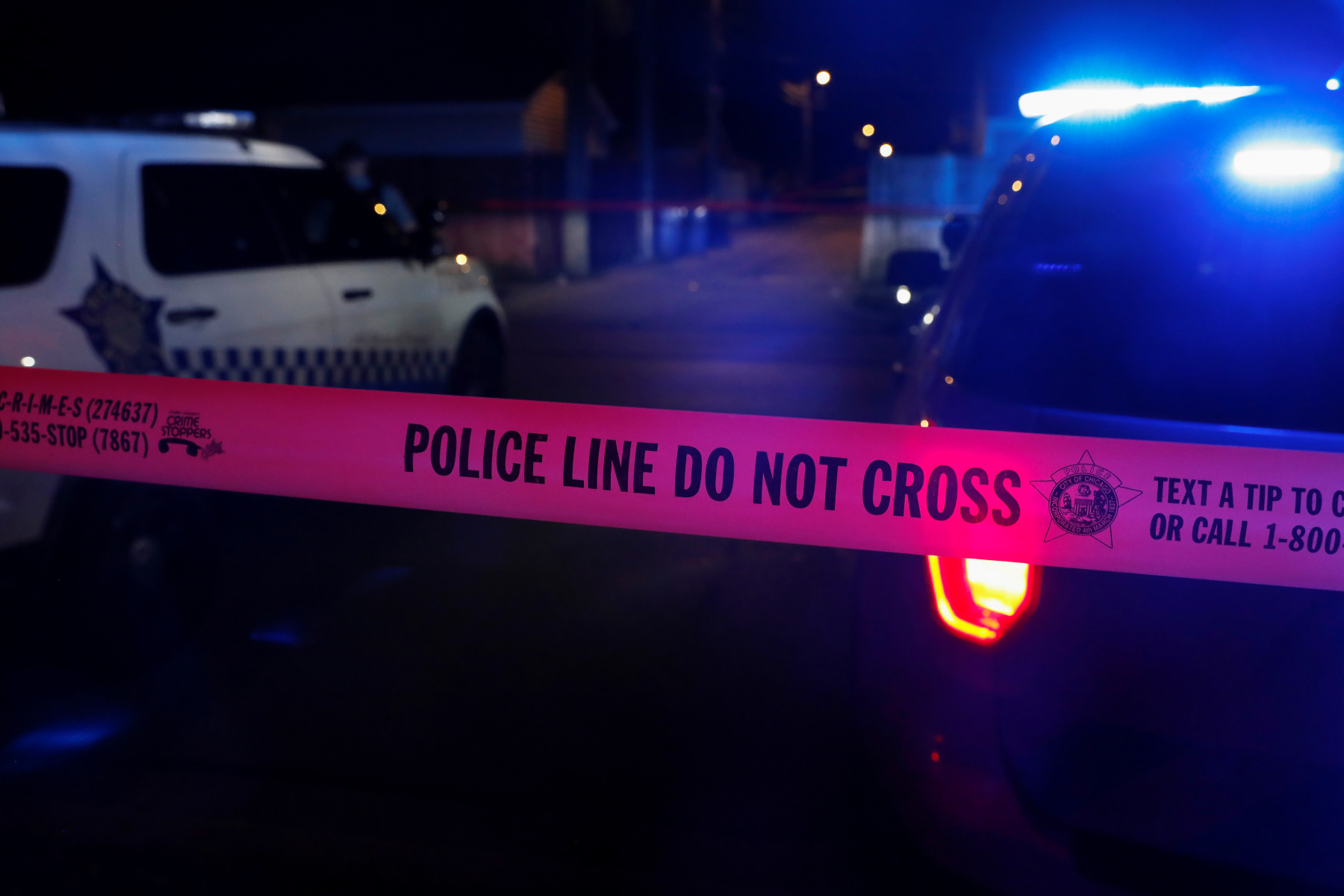
Public safety in Chicago dominated the latest edition of Chicago’s Morning Answer, where host Dan Proft spoke with Pastor Corey Brooks—community leader, activist, and founder of Project H.O.O.D.—about the city’s deteriorating culture of violence, eroding accountability, and the political leadership he argues is enabling both.
The conversation followed President Donald Trump’s sharp remarks about Chicago after the brutal Blue Line attack on 30-year-old Bethany McGee. Trump criticized local leaders, noting the alleged assailant had been arrested 72 times, and argued the city could be “totally safe” within weeks under decisive leadership. Proft contrasted Trump’s comments with Governor JB Pritzker’s recent insistence that he is “open to tweaks” to the SAFE-T Act—despite dismissing critics as “liars and fearmongers” when he signed it in 2022.
Proft recounted Pritzker’s earlier claims that Illinois would become “safer and more just” under the new law and questioned how the governor can now claim ignorance of the McGee case or other violent incidents involving repeat offenders. The gap between rhetoric and reality, he argued, has had a human cost.
Pastor Brooks agreed, saying Chicago is experiencing a “culture of violence” driven by failed leadership at both the city and state levels. “Everything rises and falls on leadership,” he said. “When you have poor leadership, you’re going to have a poor city.”
Brooks, whose Project H.O.O.D. works directly with families on the South and West Sides, cited persistent issues: repeat violent offenders cycling through the system, rising youth violence, and funds diverted from taxpayers to cover services for migrants while core institutions crumble. He said frustration is growing even among residents who traditionally support Chicago’s political leadership. “People are starting to see right through the rhetoric,” he said, adding that blaming every challenge on racism or former President Trump no longer resonates with residents living through the daily consequences.
The interview also revisited a disturbing incident outside a South Side elementary school where a mother and her nine-year-old son were beaten by a group of children—an attack the family says followed multiple warnings to school administrators. Brooks said the boy and his family are part of his church community and confirmed this was not the first time he had been targeted. “This is a culture that’s been set in CPS,” he said. “These incidents go on and on and nothing gets done.”
Proft connected that case to a separate scandal in Newport, Rhode Island, where high school athletes were charged with abusing a special-needs team assistant. Both incidents, he said, reflect a deeper national crisis: young people no longer being taught to intervene when others are being harmed, and adults failing to model moral courage.
Brooks agreed wholeheartedly. “We’ve lost a moral compass,” he said. “Part of being American is taking responsibility for our neighbors.” He argued that schools in particular need a top-to-bottom overhaul—from the Chicago Teachers Union to administrators to principals—because too many have allowed bullying, disorder, and violence to become normalized.
Measures like curfews or police in schools may be necessary, Brooks said, but they are only temporary fixes. “We have to get to the root,” he warned, citing absent fathers, moral decline, and the erosion of spiritual grounding as core challenges. Without addressing those, he suggested, crime and social disintegration will continue regardless of law enforcement tactics.
Asked about the young boy who was attacked, Brooks said the child remains traumatized but resilient, and that his father’s ongoing involvement has made an enormous difference. “He’s still smiling,” Brooks said. “But this family has been through a lot.”
Brooks also updated listeners on his 1,000-mile walk across America, part of his effort to raise funds for a new community and educational center on the South Side. He is currently in Raleigh, North Carolina, where he plans to feed the homeless on Thanksgiving. Despite physical setbacks—including foot injuries he has shared with followers—he said the mission is too important to pause.
As Chicago heads into the holiday season, Brooks urged residents not to lose sight of what is driving the city’s turmoil. “If we don’t deal with these root issues, we’re going to continue down the same vicious road,” he said.