




President Trump’s decision this week to eliminate the Biden-era electric vehicle mandate and clear the way for smaller, less expensive cars is part of what his administration calls a broader affordability agenda. The move, which Transportation Secretary Sean Duffy said immediately opens U.S. production to compact, fuel-efficient vehicles long popular in Japan and South Korea, is being framed as a win for consumer choice and a step toward easing price pressures on car buyers.
Economist James Perry, founder and CIO of Perry International Capital Partners, joined Dan Proft on Chicago’s Morning Answer to discuss the economic backdrop to these regulatory shifts. Perry said regulatory relief—together with tax cuts, deficit reduction, improved trade balances, and strengthened national security—forms the five-point plan the Trump administration has been executing for more than a year. He argued that these policies have helped produce an environment where markets remain strong despite persistent media narratives to the contrary.
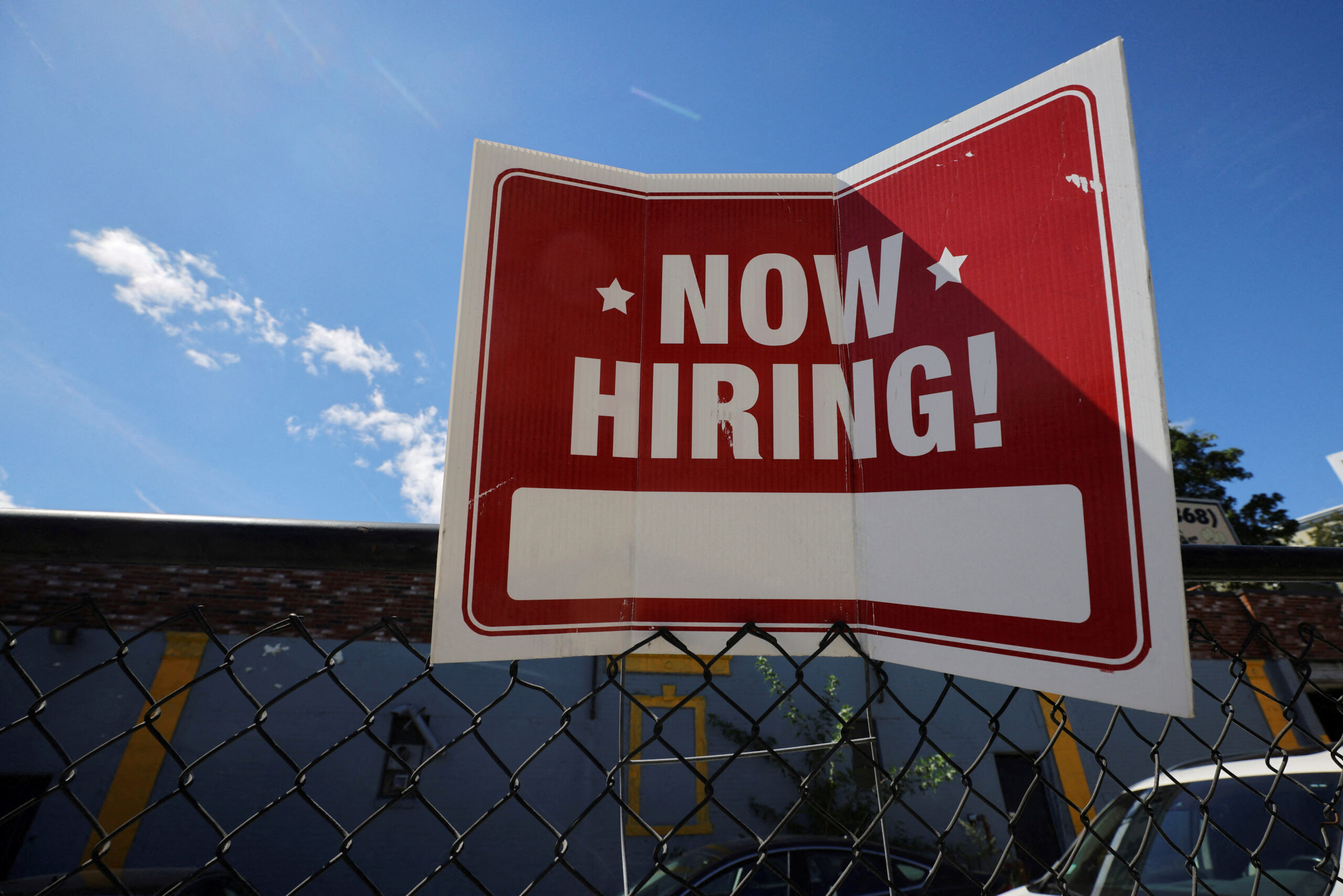
Perry acknowledged contradictions in recent employment data, including an ADP report showing 32,000 private-sector jobs lost in November and significant job shedding among small businesses, even as surveys indicate many small firms still struggle to fill open positions. He attributed the confusion to the limitations of government statistics and the speed of economic transformation driven by technology. According to Perry, the U.S. labor force is larger than official numbers suggest due to uncounted immigration, and the job market continues to show a structural shortage of workers. For every eliminated position, he said, new ones are emerging in areas reshaped by automation and artificial intelligence.
Consumer strength remains a foundation of current growth. Perry pointed to rising personal incomes and strong business investment, particularly in technology, which he expects to continue expanding at extraordinary rates. He described the ongoing industrial transformation—accelerated by AI since late 2022—as something traditional forecasting models still struggle to capture.
The conversation also turned to prediction markets, a trend highlighted by Coinbase CEO Brian Armstrong and reinforced by new partnerships between media outlets like CNN and platforms such as Kalshi. Perry said these markets represent a powerful fusion of real-time data and behavioral insight, offering a clearer gauge of expectations than traditional polling or commentary. He believes prediction markets will grow enormously and help improve decision-making across industries, though Proft raised concerns about turning public policy into a series of crowd-driven wagers. Perry countered that more information, not less, drives better choices and that policymakers will inevitably make use of such tools.
Perry’s bottom-line view of the financial landscape remains decidedly bullish. With global and domestic liquidity at record highs, he said recession risks are minimal. Credit markets are stable, corporate earnings are strong, and investment is broadening beyond the mega-cap technology sector into healthcare, financials, and transportation. He expects further fiscal stimulus heading into next summer, continued global capital inflows to the United States, and an additional Federal Reserve rate cut of 25 basis points at its next meeting.
Looking ahead, Perry maintains overweight positions in technology and defense and continues to recommend gold as an inflation hedge, even as he argues that equities—particularly the S&P 500—remain one of the most reliable long-term protections against rising prices.
“The picture is pretty good,” Perry concluded. “There will be bumps along the way, but the underlying forces driving this economy are strong, and deregulation that boosts affordability only adds to that momentum.”