




A legal battle involving the former mayor of Orland Park has become a flashpoint in a broader debate over free speech, local governance, and the impact of rapid demographic change in Chicago’s southwest suburbs.
Keith Pekau, who served two terms as mayor before losing reelection this spring, joined Chicago’s Morning Answer to discuss ongoing litigation brought against him by the village he once led. Pekau said the case is less about personal grievances and more about what he views as an attempt by current village leadership to silence critics and discourage residents from scrutinizing local government.
This week, a Cook County judge dismissed six of seven claims filed against Pekau by the Village of Orland Park, a ruling he described as a partial vindication. The village has since filed an amended complaint, restarting the case with additional claims. Pekau said the repeated filings, funded with taxpayer dollars, are designed to exhaust him financially and send a message to others who might speak out.
According to Pekau, the village initially sought to have his social media posts removed and to restrict his ability to comment publicly on village affairs. While the latest filing narrows some of those demands, he said its core objective remains the same: limiting criticism of local officials. Pekau argues that the case poses a threat not just to him, but to any resident, employee, or elected official who questions decisions made at village hall.
The dispute began after Pekau encouraged residents to file Freedom of Information Act requests seeking records related to village operations. He maintains that he has not released confidential documents and that FOIA exists precisely to allow citizens to examine how their government operates. During court proceedings, Pekau said a village attorney suggested FOIA’s purpose was to protect reputations, a characterization he rejected as fundamentally at odds with transparency laws.
Beyond the courtroom, Pekau and host Dan Proft discussed what they described as significant political and cultural shifts in Orland Park and neighboring communities. Pekau said the village’s population has changed rapidly in recent years, a pace he believes local institutions have struggled to manage. He argued that this shift played a decisive role in the most recent mayoral election and has influenced policy decisions since.
Pekau cited instances where village leadership faced backlash over symbolic actions, such as flying the American flag at half-staff, and responded by issuing explanations he characterized as misleading. He also pointed to alleged patronage hiring, rapid expansion of village staff, and favoritism within the police department as examples of practices that deserve public scrutiny.
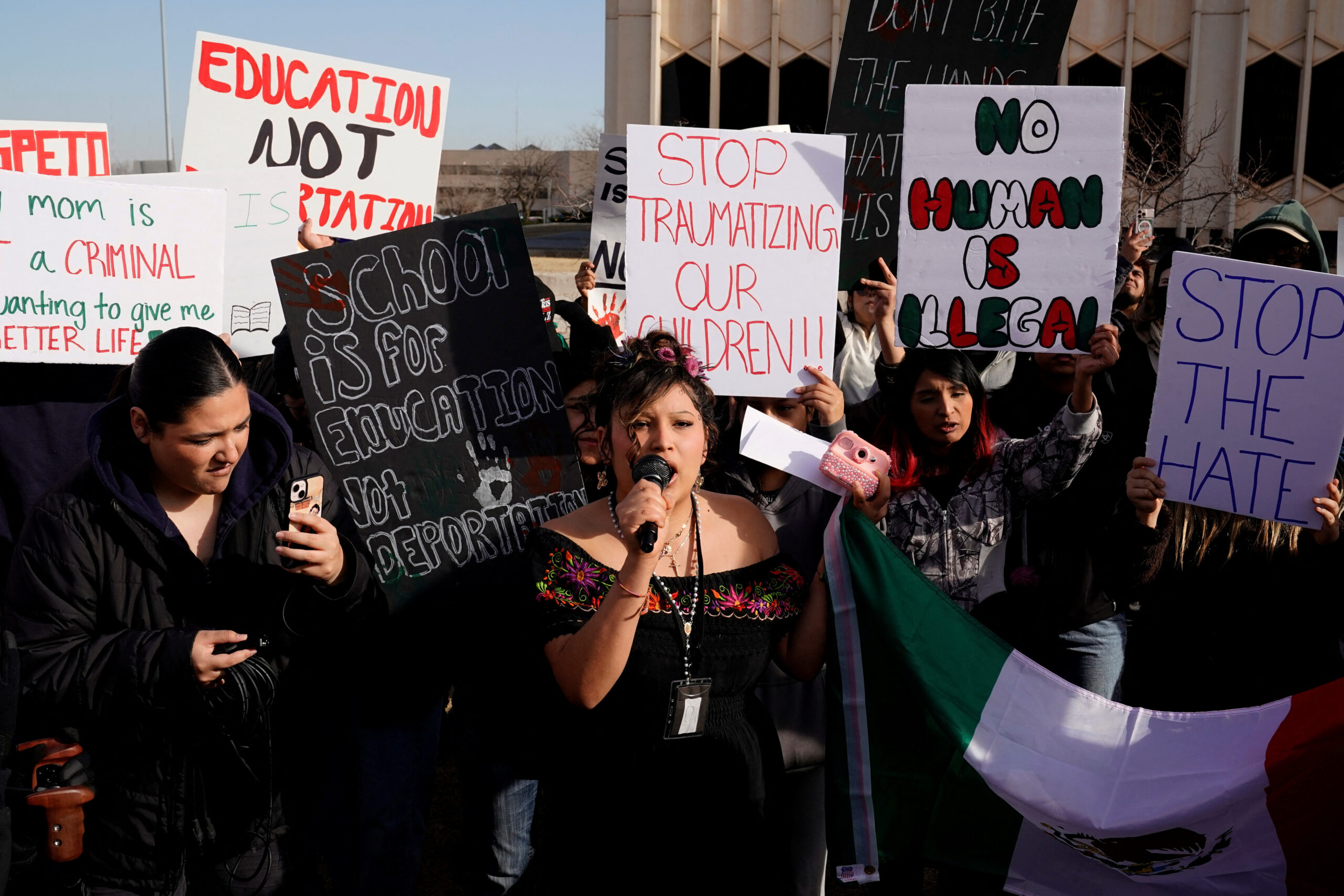
The conversation also touched on national immigration policy and its local effects. Pekau said rapid increases in population without adequate vetting or integration place stress on communities and can reshape local politics in ways residents do not fully anticipate. He emphasized that his concerns are directed at policy decisions and leadership behavior, not individual residents.
Proft framed the Orland Park dispute as emblematic of a larger pattern in which local governments use legal pressure and public resources to deter dissent, knowing most individuals lack the means to fight back. Pekau said he has spent hundreds of thousands of dollars defending himself and remains committed to continuing the case, despite the personal cost.
Pekau concluded by urging residents across the region to pay closer attention to municipal politics, school boards, and village councils, arguing that decisions made at the most local level often have the most immediate impact on daily life. He said the outcome of his case will determine not only his own ability to speak freely, but also whether future critics feel safe questioning those in power.