




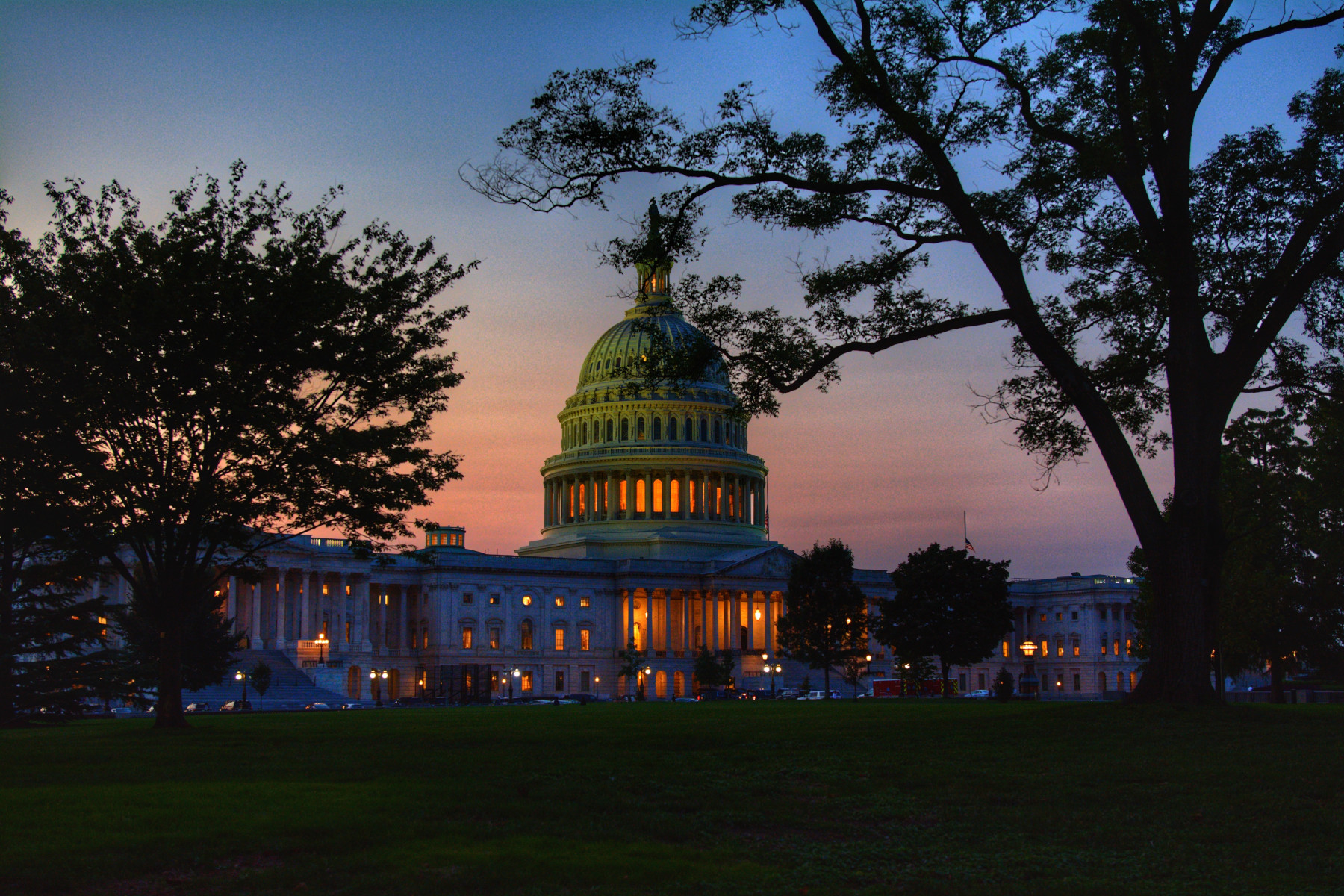
On the fifth anniversary of January 6, Chicago’s Morning Answer host Dan Proft spoke with Tom Caldwell, a U.S. Navy veteran whose prosecution became one of the most controversial cases tied to the Capitol riot investigations. Caldwell, who was swept into the federal case against the Oath Keepers despite never entering the Capitol or engaging in violence, detailed what he described as a years-long ordeal of prosecutorial overreach, wrongful imprisonment, and physical and psychological abuse.
Caldwell was initially charged alongside Oath Keepers founder Stewart Rhodes and others in what prosecutors framed as a seditious conspiracy. According to Caldwell, the basis for his arrest stemmed not from actions on January 6, but from tenuous personal associations and a misinterpretation of a contact entry in another defendant’s phone. A fellow veteran had saved his number under the title “Commander Tom,” reflecting Caldwell’s retired Navy rank, which Caldwell says federal investigators incorrectly interpreted as evidence that he was a leader in a coordinated plot.
Despite prosecutors’ claims, Caldwell said he never joined the Oath Keepers, never attended planning meetings, and never entered the Capitol building. He maintained that the government’s narrative unraveled as discovery proceeded, with prosecutors dropping or losing multiple charges, including seditious conspiracy, conspiracy to obstruct Congress, and violent offenses. Ultimately, Caldwell was convicted only on a single count of evidence tampering, stemming from allegations that he deleted photographs from his phone.
Caldwell told Proft that the tampering charge rested on speculation rather than proof. Federal authorities argued that because they could not locate incriminating photos, Caldwell must have deleted them, despite the absence of evidence showing such images ever existed and despite the fact that Caldwell’s phone remains in FBI custody. Caldwell said no recipient of his messages ever produced the alleged deleted content, and no forensic evidence supported the claim.
While awaiting trial, Caldwell said he spent 53 days in solitary confinement at a Virginia jail, where he alleges he was denied medication, subjected to extreme sensory deprivation, and physically assaulted. He described conditions he said amounted to torture, claiming the treatment was intended to coerce false confessions and pressure him to implicate others, including former President Donald Trump, in directing the events of January 6.
Caldwell said prosecutors repeatedly sought statements tying Trump to an alleged signal or directive ordering an attack on the Capitol, a claim Caldwell insists he could not substantiate because it never occurred. He described the experience as an effort to force a political narrative rather than pursue facts, adding that his legal team was repeatedly told by prosecutors that innocence was irrelevant to their objectives.
In sentencing, Caldwell said a federal judge ultimately concluded that the government failed to meet its burden on the most serious allegations and sentenced him to time served. Though the conviction technically remained on his record, Caldwell later received a presidential pardon from Donald Trump, issued personally and signed months after Trump returned to office.
Caldwell said he and his wife are now exploring legal options related to his confinement and treatment, though he acknowledged the difficulty of holding prosecutors and judges accountable due to doctrines such as absolute immunity. He said attorneys have approached the Department of Justice with documentation supporting his claims, but any potential restitution remains uncertain.
Caldwell has chronicled his experience in a book, The Mouths of the Wicked, which he described as an attempt to document not only his own case but what he believes to be systemic abuses against January 6 defendants. He told Proft that while no legal remedy can restore the years lost to prosecution and imprisonment, he hopes public scrutiny will prevent similar cases in the future.
As debates over January 6 continue to shape national politics, Caldwell’s account adds to ongoing questions about prosecutorial discretion, civil liberties, and the balance between national security narratives and individual rights in one of the most consequential legal campaigns of the past decade.