




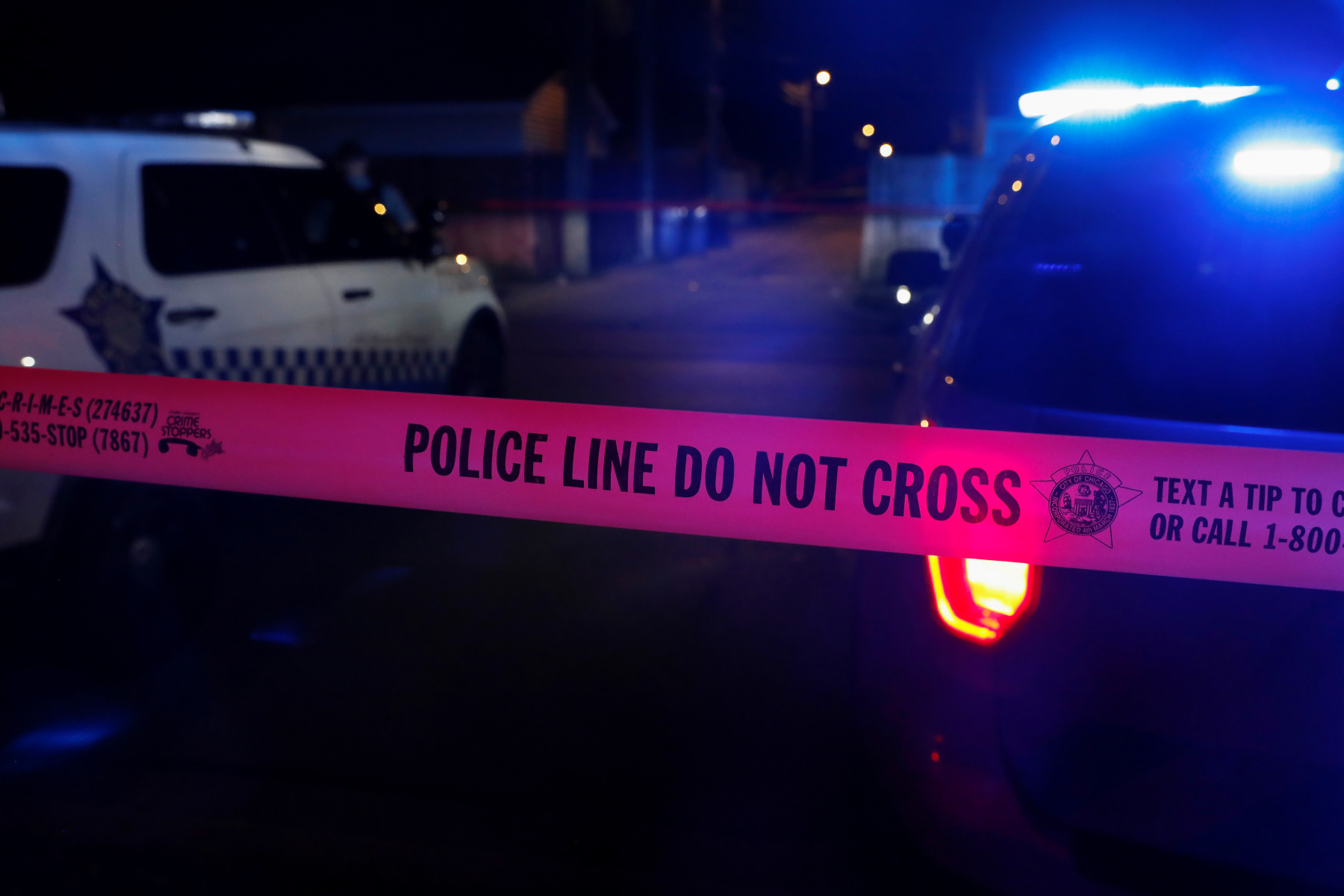
A series of fatal shootings in Chicago has renewed scrutiny of the city’s public safety policies, particularly the decision to deactivate ShotSpotter gunfire detection technology and the broader handling of repeat offenders. The issue was discussed at length on Chicago’s Morning Answer, where host Dan Proft spoke with author and criminologist Heather MacDonald about what they described as preventable deaths linked to policy choices made by city and state leaders.
Recent reporting has highlighted multiple shooting victims who were not discovered for hours after being wounded in areas once covered by the ShotSpotter system, which automatically alerts authorities to gunfire. Data cited during the discussion showed that victims who experience delayed emergency response due to the absence of timely alerts face significantly higher fatality rates. Since the city shut down ShotSpotter in 2023, dozens of homicide victims have been counted by critics as deaths that might have been mitigated through faster intervention.
The conversation also focused on a case involving a repeat offender who removed an electronic monitoring bracelet while awaiting trial in Chicago, fled the state, and later attempted to kill two people in Iowa. The case, now resulting in convictions, has become emblematic of concerns about pretrial release policies and electronic monitoring for violent offenders. Proft argued that the pattern illustrates systemic failures that place public safety at risk, particularly in communities already experiencing high levels of violent crime.
MacDonald contended that opposition to tools like ShotSpotter and red-light cameras is driven less by evidence than by ideological claims that such technologies are inherently discriminatory. She argued that these arguments ignore the reality that violent crime disproportionately harms residents of the same neighborhoods where enforcement tools are being dismantled. According to MacDonald, removing objective detection systems has led to fewer rapid responses and more deaths, outcomes she described as predictable rather than accidental.
The discussion also addressed the national political context, noting that Donald Trump has increasingly highlighted individual crime victims and repeat offenders in public remarks, breaking with past presidential norms that avoided such specificity. MacDonald described this approach as a direct challenge to what she called decades of official reluctance to confront the human cost of lenient criminal justice policies, particularly in major cities.
Proft and MacDonald traced the debate back to earlier eras of urban crime, arguing that calls for stronger enforcement historically came not from political elites but from working-class residents demanding protection from violence and disorder. They rejected claims that discussing crime statistics or enforcement amounts to racial animus, instead framing it as an acknowledgment of who suffers most when public safety breaks down.
As Chicago continues to grapple with high-profile shootings, repeat-offender cases, and questions about surveillance technology, the debate underscores a widening divide over whether current policies prioritize ideology over outcomes. With city leadership standing by its decisions and critics pointing to rising fatalities and delayed responses, the issue of how to balance civil liberties, technology, and public safety remains central to the city’s political and moral reckoning.