




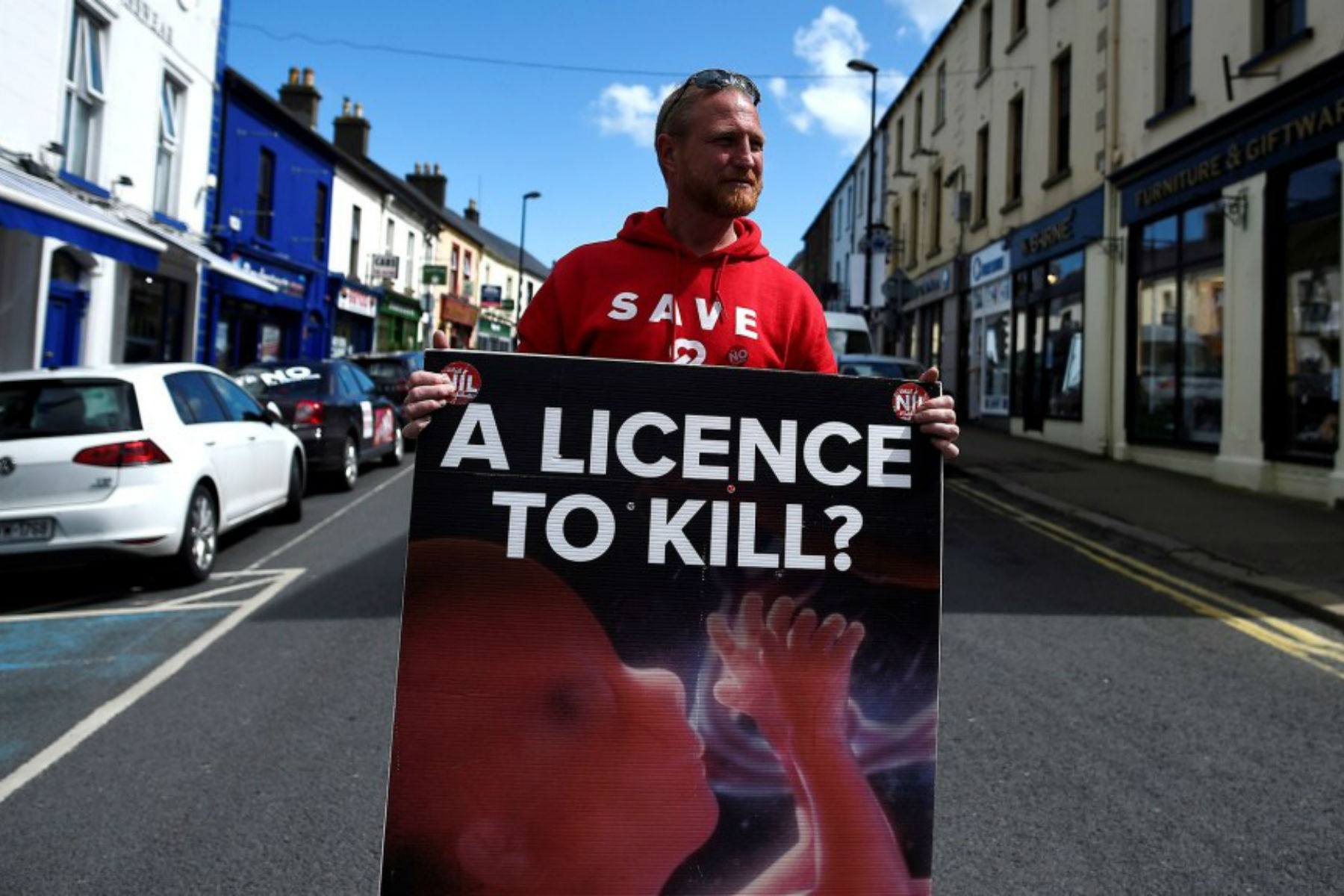
The annual March for Life in Washington, D.C., returned national attention to abortion policy and the broader debate over the role of government in protecting unborn life, a topic explored during a recent interview on Chicago’s Morning Answer between radio host Dan Proft and Katie Glenn Daniel, director of legal affairs for Susan B. Anthony Pro-Life America.
Vice President JD Vance addressed the march with a speech that framed abortion as a civilizational issue rather than a narrow policy dispute, arguing that societies are judged by how they treat their most vulnerable members. His remarks drew sustained applause from attendees and set the tone for renewed activism by pro-life organizations heading into a contentious election year.
Despite the rhetoric at the march, Daniel cautioned that major policy fights continue behind the scenes in Washington. She noted recent reports that the Department of Health and Human Services had resumed certain payments to Planned Parenthood and pointed to ongoing pressure within Congress to weaken the Hyde Amendment, the long-standing provision that prevents federal taxpayer dollars from being used to fund abortions. While current negotiations have left Hyde intact, Daniel said the fact that its protections remain contested underscores the persistence of the issue even under Republican leadership.
Daniel also highlighted the difficulty of fully defunding large abortion providers, explaining that while Planned Parenthood was removed from Medicaid funding last year, it continues to access federal money through other programs such as Title X. She urged the administration to reinstate the Protect Life Rule, which previously blocked tens of millions of dollars from flowing to abortion providers, arguing that partial measures leave significant gaps.
The conversation expanded beyond abortion to include end-of-life policy, particularly in light of Illinois’ newly enacted assisted suicide law signed by Governor J. B. Pritzker. Daniel and Proft pointed to developments in Canada and parts of Europe as cautionary examples, citing cases in which euthanasia laws have expanded far beyond their original intent. They argued that framing assisted suicide as medical care risks dehumanizing the elderly and disabled, much as abortion debates have done at the beginning of life.
Looking ahead to the 2026 election cycle, Daniel said pro-life advocates are bracing for a wave of ballot initiatives aimed at embedding expansive abortion rights into state constitutions. She pointed to recent experiences in states such as Michigan, Arizona, and Missouri, where voters approved such measures only to see courts and activists push for the dismantling of longstanding health and safety regulations. According to Daniel, these outcomes have produced growing voter regret as the practical consequences become clear.
Daniel emphasized that her organization is shifting resources toward early voter education rather than last-minute campaigning, arguing that permanent outreach is necessary to counter what she described as sustained misinformation efforts by the abortion industry. She said door-to-door engagement well ahead of elections has proven more effective in fostering honest conversations and reducing the impact of emotionally charged but misleading claims.
As debates over abortion funding, assisted suicide, and constitutional amendments continue at both the federal and state levels, the March for Life served as a reminder that the issue remains unresolved decades after Roe v. Wade. For advocates on both sides, the coming months are expected to bring renewed legal, legislative, and electoral battles over questions they view as fundamental to the country’s moral and political future.