




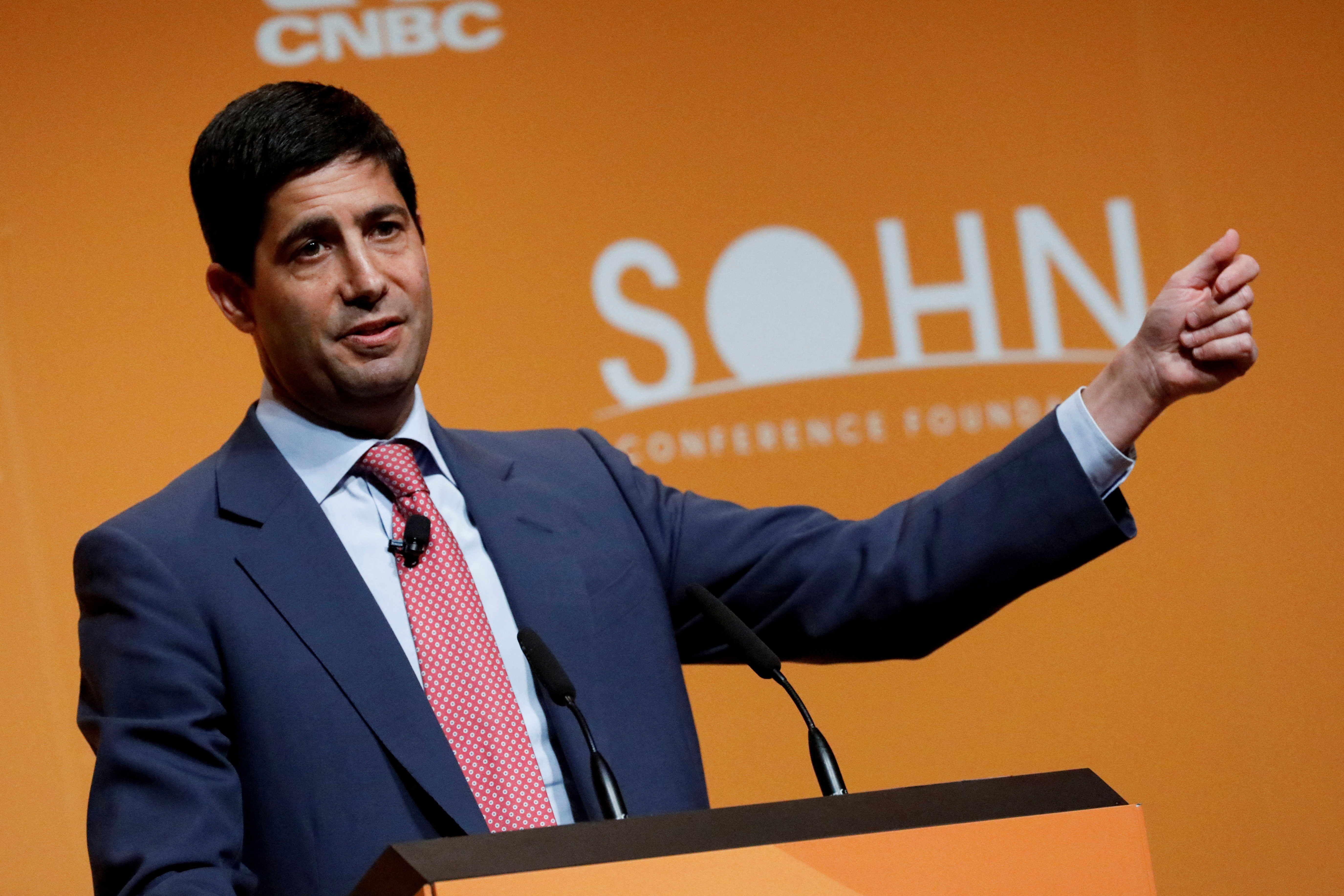
A wide-ranging discussion on Chicago’s Morning Answer with Dan Proft focused on the future of U.S. monetary policy following President Donald Trump’s decision to nominate Kevin Warsh to succeed Jay Powell as chairman of the Federal Reserve. The conversation examined how a change in Fed leadership could alter the direction of interest rate policy, inflation management, and the central bank’s balance sheet after years of public friction between the White House and the Federal Reserve.
Christopher Whalen, chairman of Whalen Global Advisors and editor of The Institutional Risk Analyst, said Warsh was effectively the only viable choice. As a former Federal Reserve governor, Warsh understands the internal culture of the institution and is viewed as capable of building consensus among policymakers, something Whalen suggested other rumored candidates would have struggled to do during Senate confirmation.
Whalen noted that while Warsh broadly aligns with the administration’s desire for lower interest rates, the policy path ahead is complicated. Shrinking the Federal Reserve’s balance sheet, which Warsh has previously supported, would represent a form of tightening even if short-term rates are reduced. The size of federal debt, Whalen argued, has effectively forced the Fed to maintain an unusually large balance sheet, limiting how aggressively it can normalize policy without triggering stress in Treasury markets.
The conversation also examined the often-invoked contrast between Wall Street and Main Street. Whalen said interest rates are already lower than many assume, with mortgage rates having come down over the past year, but affordability remains strained because home prices are still elevated. He predicted that under Warsh, the Fed could push short-term rates into the low-to-mid 2 percent range, but deeper structural issues in housing would remain unresolved.
That tension was underscored by President Trump’s recent comments expressing a desire to keep home values rising for existing owners while making housing more affordable for new buyers. Whalen described that goal as politically appealing but economically unrealistic, arguing that the housing market is likely headed for a correction regardless of policy intentions. After more than a decade of rising prices, he said, the market appears overdue for a reset that could bring prices down 15 to 20 percent in some areas.
Regional disparities are already evident, Whalen added, pointing to signs of price weakness in parts of Chicago and its suburbs, as well as in certain New York markets that boomed during the post-pandemic migration away from city centers. While high-quality properties may continue to hold their value, he expects buyer demand to thin as affordability constraints persist.
The discussion also touched on comments from Treasury Secretary Scott Bessent, who has forecast a supply-side “Trump boom” in 2026 driven by deregulation, tax policy, and wage gains. Whalen characterized that outlook as election-year optimism, noting that sustained inflation control would require spending restraint, a step he said few in Washington appear willing to take.
Looking ahead, Whalen expressed skepticism about the longer-term impact of artificial intelligence on growth and markets. While AI is already being used to reduce headcounts at large firms, he questioned whether companies will be able to generate enough revenue from the technology to justify the massive capital investments now underway. He suggested that 2025 may ultimately be remembered as a year defined by hype, with calmer and more selective markets to follow.
As the administration prepares for a transition at the Federal Reserve and positions itself for the next election cycle, Whalen said the underlying challenges of debt, affordability, and market volatility remain largely unresolved, regardless of who occupies the chairman’s office.