




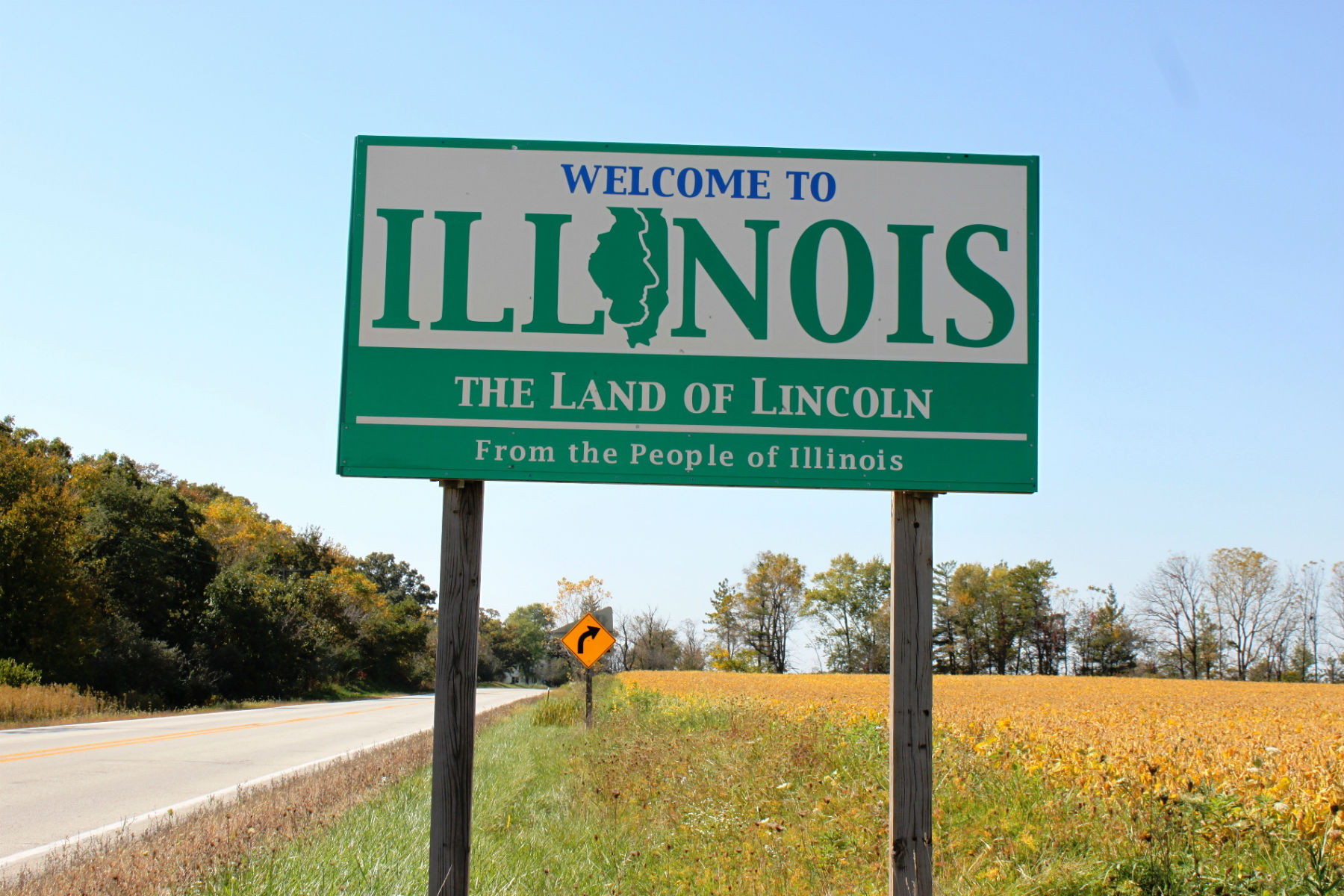
A growing divide between states is reshaping the political and economic map of the country, as residents continue to leave high-tax, one-party-ruled states for regions offering lower costs and fewer regulations. That trend was the focus of a wide-ranging discussion on Chicago’s Morning Answer, with guest host Jeanne Ives and market analyst Jim Iuorio filling in and speaking with urban policy expert Steve Malanga.
Malanga, a senior fellow at the Manhattan Institute and contributing editor to City Journal, said the latest census and migration data show a striking pattern. States experiencing the largest population losses are overwhelmingly governed by Democratic “trifectas,” where the same party controls the governorship and both legislative chambers. Meanwhile, states gaining residents tend to be Republican-led or lean conservative. The result, he said, is not just demographic change but a steady transfer of economic and political power.
Illinois, New York, and California have each experienced net domestic out-migration for more than two decades, Malanga noted, yet have largely resisted altering policies that residents cite as reasons for leaving. High taxes, expansive regulation, and rising costs of living continue to push families and businesses elsewhere. Rather than moderating, these states have often doubled down, increasing taxes further to offset shrinking tax bases, a cycle that accelerates departures.
Malanga argued that the people most likely to leave are moderates and conservatives who might otherwise push for reform from within. Their exit leaves behind a more ideologically uniform electorate, making political change even harder. Over time, that dynamic has contributed to what he described as “managed decline,” a slow erosion that becomes more visible only during fiscal or economic crises.
The consequences extend beyond state budgets. As residents relocate, congressional representation shifts as well, with fast-growing states like Texas and Florida gaining electoral votes while Illinois, New York, and California lose influence. Malanga said this redistribution reflects federalism in action, with Americans choosing governance models that best align with their priorities.
While some argue that struggling states could eventually be rescued by federal bailouts, Malanga cautioned that such interventions are politically unpopular and far from guaranteed. He pointed to past resistance to federal aid for bankrupt cities as evidence that Washington is often reluctant to step in, leaving states to manage the outcomes of their own policy decisions.
The broader implication, he said, is that no state’s dominance is permanent. Even places with natural advantages can falter under sustained mismanagement, while others can rise by fostering growth and opportunity. The ongoing migration patterns suggest that for millions of Americans, the choice of where to live has become a referendum on how they want to be governed.