




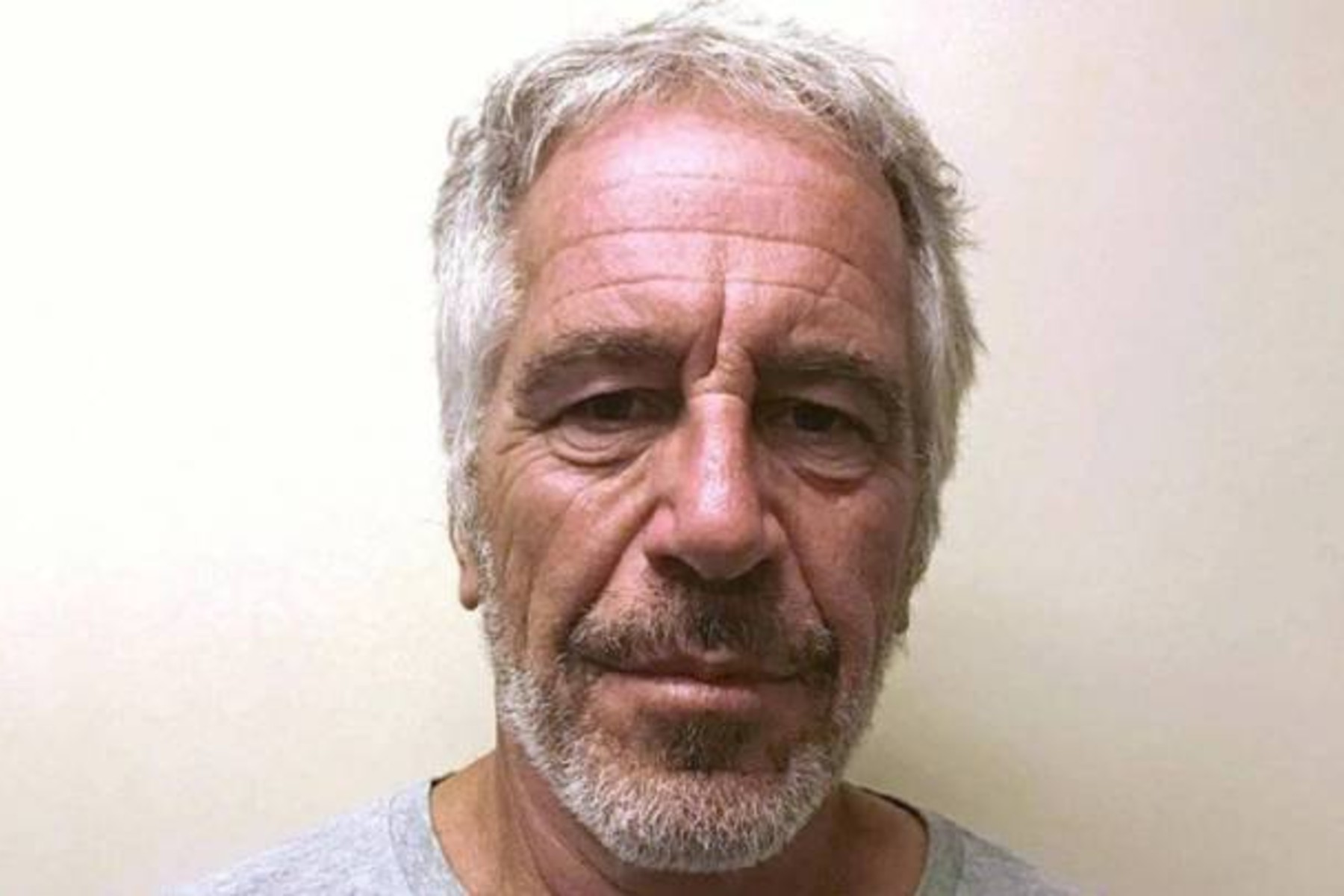
The release of millions of pages tied to Jeffrey Epstein has only deepened public frustration, according to Washington Examiner columnist Dominic Green, who joined Chicago’s Morning Answer to discuss what the document trove does—and does not—tell Americans about one of the most unsettling scandals in recent memory.
Dan Proft described the Epstein saga as a “riddle wrapped in a conundrum,” pointing to lingering uncertainty over Epstein’s wealth, his network of powerful associates, his intelligence ties—if any—and the circumstances of his death inside a Manhattan jail cell. Despite the Justice Department’s release of roughly three and a half million pages of material earlier this year, Proft said there remains no unified theory explaining who benefited from Epstein’s operations, who participated in criminal activity, and why prosecutions appear limited.
Green, a historian by training and fellow of the Royal Historical Society, said the scale of the document dump presents both opportunity and obstacle. Most of the material dates from the late 1990s onward, he noted, because emails form a large portion of the record. That leaves Epstein’s earlier career largely obscure, a gap Green believes could prove critical to understanding how he built his wealth and connections.
“All this stuff has been dumped in one huge pile,” Green said, suggesting that while transparency is valuable, the lack of structured analysis means it could take years for researchers to sort through the material in a meaningful way.
From what he has seen so far, Green argues that the files offer a snapshot of a specific political and cultural elite centered largely in the Democratic establishment of the late 1990s and early 2000s. He described the names surfacing in the emails as part of a “ruling class” that felt confident and ascendant during that era, particularly in the Clinton orbit and among prominent academics and financiers.
That, he suggested, may help explain why the revelations resonate so deeply in a political climate that has since shifted dramatically. The backlash against that earlier elite culture, Green said, was one factor contributing to the populist surge that reshaped American politics beginning in 2016.
At the same time, Green cautioned against assuming that the most sensational elements of the story necessarily hold the key to its political significance. While Epstein’s sex trafficking crimes are horrific, he said, the broader question may involve information brokering and access to powerful figures.
Given the sophistication of U.S. intelligence agencies, Green said it would be surprising if Epstein’s international dealings—including contact with foreign nationals and frequent travel—had gone unnoticed. Though he emphasized there is no definitive evidence tying Epstein to a specific intelligence service, Green said he would be surprised if there had been no contact at all between Epstein and American agencies.
He also pointed to developments in the United Kingdom as evidence of the files’ ripple effects. Prince Andrew’s public role was effectively dismantled after incremental disclosures tied him to Epstein, and British political figure Peter Mandelson has faced renewed scrutiny following the release of emails suggesting inappropriate or questionable communications.
Still, Green acknowledged that even with the documents now public, critical questions remain unresolved. How Epstein secured relationships with billionaires such as Leslie Wexner and Leon Black, and how he obtained financial authority in certain cases, remains opaque. Whether his wealth stemmed primarily from shrewd investing, preferential access to information, or something more complex is still debated.
Green also addressed ongoing skepticism surrounding Epstein’s death, noting that in his experience few observers accept the official suicide ruling at face value. While definitive proof of foul play has not emerged, the combination of high-profile connections and extraordinary jailhouse lapses continues to fuel suspicion.
For Green, the overarching takeaway is that the story may ultimately prove both more mundane and more disturbing than many imagine. Epstein appears to have been a skilled manipulator who sold access, cultivated ego, and exploited human weakness. Whether that extended into systematic blackmail or intelligence operations remains unproven, but the pattern of influence and secrecy is unmistakable.
As investigations and independent research continue, Green said the public should expect gradual clarification rather than a single revelatory moment. The volume of material guarantees years of analysis. In the meantime, he argued, the demand for transparency is unlikely to fade, particularly as political tensions and distrust of institutions remain high.
The Epstein case, he suggested, is not just about one man’s crimes. It is about how power, privilege, and secrecy intersect—and why so many Americans believe they have yet to hear the full story.