




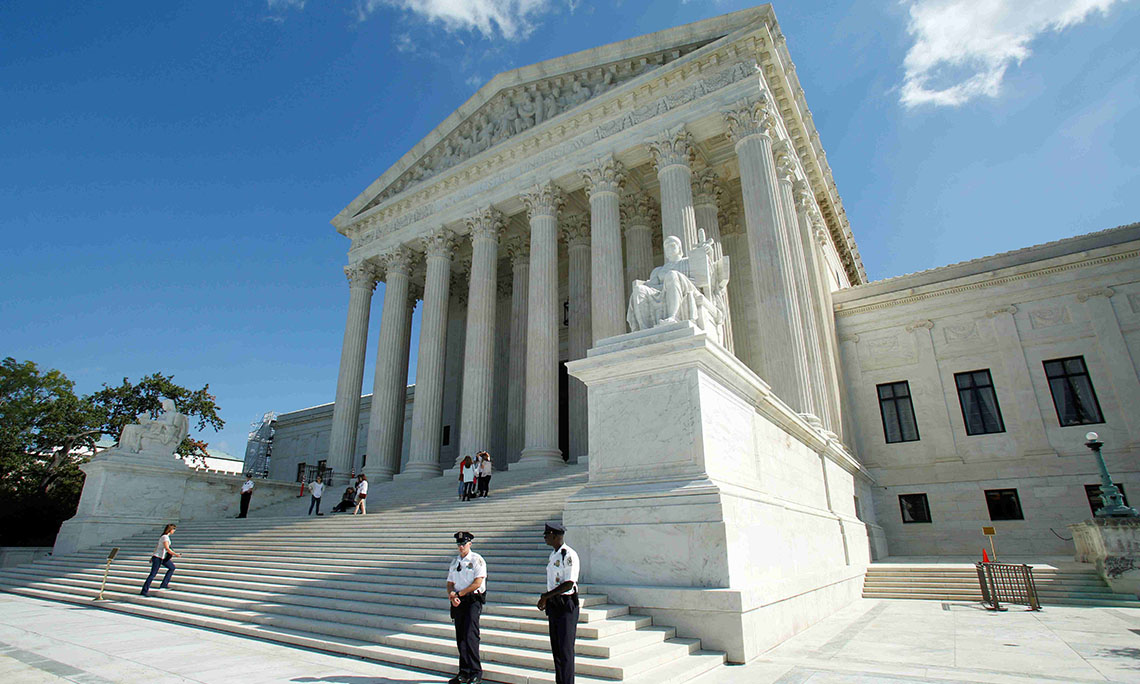
A recent Supreme Court decision limiting schools’ ability to conceal gender identity transitions from parents is fueling renewed debate over parental rights, education policy, and the future of school choice in states like Illinois.
Education policy advocate Corey DeAngelis said the ruling represents a significant step toward restoring parental authority in schools, though he cautioned that the decision alone will not resolve ongoing disputes between families and school systems.
The case centered on policies that allowed schools to keep information from parents if a student requested privacy about gender identity issues. Supporters of those policies argued they protected students who might feel unsafe discussing such matters at home. Critics contended that the rules undermined parents’ constitutional rights to guide the upbringing and medical decisions of their children.
DeAngelis said the court’s decision should send a clear signal that parents cannot be excluded from major decisions affecting their children’s lives.
“Keeping secrets from parents is more likely to cause harm to the child,” he said, arguing that families should remain the primary decision-makers when it comes to issues involving education, health, and identity.
He also suggested that policies encouraging secrecy risk creating situations in which school officials form relationships with students that replace the role of parents, something he said could lead to serious problems.
The ruling may also intensify scrutiny of school policies in states like Illinois, where guidelines issued by the state’s Board of Education in recent years have encouraged schools to respect students’ privacy if they choose not to share information about gender identity with their families.
DeAngelis argued that such policies reflect a broader trend in which government institutions assume they know better than parents how children should be raised.
He also warned that legal battles over the issue are unlikely to end with the Supreme Court’s decision. In previous education cases involving school choice and religious schools, he said, local governments have attempted to reinterpret court rulings or adopt slightly modified policies in order to continue pursuing similar goals.
Because of that, DeAngelis said parents must remain actively involved in their children’s education and regularly communicate with them about what happens at school.
“Parents need to be vigilant,” he said.
Beyond the parental rights debate, DeAngelis pointed to broader concerns about the structure and performance of public education systems, particularly in major cities like Chicago. He cited data showing that some Chicago public schools operate far below capacity while spending tens of thousands of dollars per student each year.
Those figures, he said, highlight the need for alternative educational models that allow families greater flexibility in choosing where their children attend school.
School choice programs typically allow families to use public funds, tax credits, or scholarships to send their children to private schools, charter schools, or other educational institutions outside the traditional public school system.
Advocates argue that such programs empower families and introduce competition into the education system, encouraging schools to improve performance. Opponents, including teachers unions and many Democratic lawmakers, contend that school choice diverts funding from public schools and undermines the public education system.
The debate is particularly intense in Illinois, where lawmakers recently introduced legislation aimed at preventing the state from participating in a federal school choice initiative proposed by former President Donald Trump.
DeAngelis noted that the legislation’s sponsor has received substantial financial support from teachers unions, which have long opposed school choice programs.
According to DeAngelis, the federal initiative would rely on charitable donations rather than redirecting funding from existing public school budgets. He said states that refuse to participate could end up losing potential scholarship funding to other states that choose to opt in.
“It would be like shooting yourself in the foot,” he said, arguing that rejecting the program could put Illinois families at a disadvantage compared with states that offer expanded educational options.
DeAngelis also contended that expanding school choice could have broader social benefits beyond academic outcomes. He pointed to research suggesting that students who gain access to better educational opportunities are less likely to become involved in crime later in life.
Improving education access, he argued, could therefore serve as a long-term strategy for reducing incarceration rates and strengthening communities.
The education debate comes as school systems across the country continue grappling with issues ranging from curriculum disputes and parental involvement to declining enrollment in some districts.
For DeAngelis, the solution ultimately lies in giving families more authority over educational decisions.
“The only way forward is through freedom instead of force,” he said, arguing that a system allowing families to choose schools aligned with their values would reduce many of the conflicts currently shaping the national education debate.