




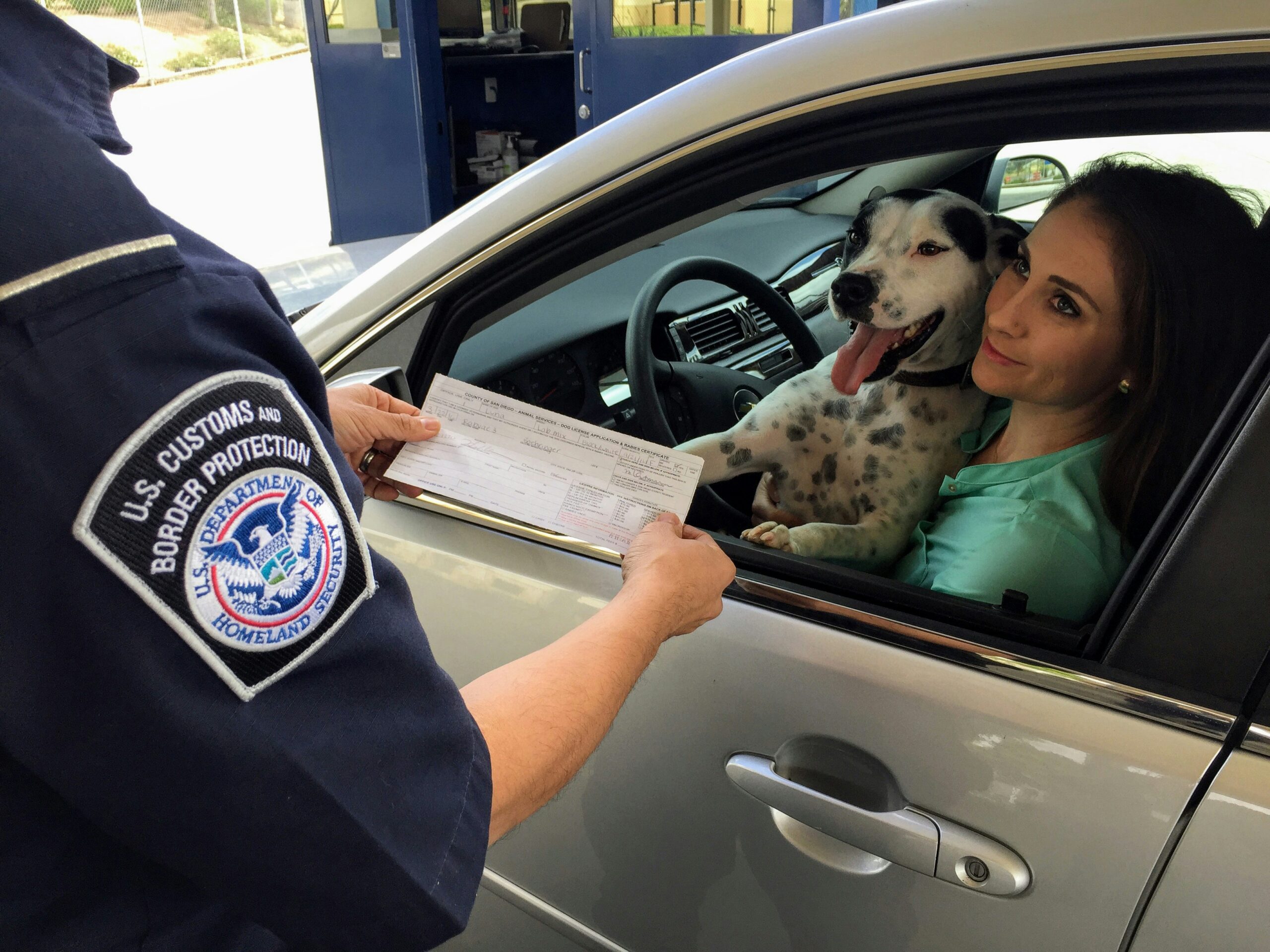
As immigration enforcement operations expand across the United States, the president of the National Border Patrol Council says many of the controversies surrounding arrests stem from misunderstandings about how the immigration system works.
Paul Perez, who leads the union representing Border Patrol agents, said immigration officers often have little discretion when carrying out enforcement actions because many individuals taken into custody have already been ordered deported by immigration judges.
Perez addressed the issue while discussing recent immigration enforcement incidents that have drawn national attention and fueled debate about the role of federal law enforcement in immigration policy.
According to Perez, most immigration enforcement operations are focused on individuals with criminal records who are considered public safety threats. However, he acknowledged that the scale of illegal immigration in recent years means officers frequently encounter other individuals who are also subject to removal under existing law.
“We’re doing targeted enforcement operations, which means we’re going after people who need to be removed from this country immediately,” Perez said. “But there are millions of people in the country illegally, so the chances of encountering others who also have to be removed are very high.”
Perez said many of those individuals have already gone through legal proceedings in immigration court and received final orders of removal. In those cases, federal officers are required to enforce the decision.
“If an immigration judge has ordered someone removed, we have no choice but to enforce that warrant,” he said.
The issue has become particularly contentious as immigration enforcement has increased under the current administration, following several years of more permissive border policies.
Perez argued that earlier policies created confusion among migrants who believed they could remain in the United States permanently after entering the country and applying for asylum or other forms of temporary protection.
Many migrants were allowed to remain in the country while their cases were pending, but Perez said large numbers failed to appear for immigration hearings and were ultimately ordered deported in absentia.
“When they don’t attend their hearings, the judge issues a final order of removal,” Perez explained. “Once that happens, they have to be removed if we encounter them.”
Critics of enforcement operations often point to individual cases that appear sympathetic, such as migrants who have established families or employment while living in the United States.
Perez acknowledged that those cases can be emotionally difficult but emphasized that the immigration system operates under legal rulings that officers are obligated to carry out.
“There is a system in place,” Perez said. “Agents make the arrests, prosecutors determine charges, and immigration judges decide whether someone is removable.”
Perez said the public often sees only the moment of enforcement rather than the legal process that led to the decision.
He compared the situation to the broader criminal justice system, where police officers enforce laws but judges and courts ultimately determine outcomes.
Another factor shaping public perception, Perez said, is the way immigration stories are reported. He argued that cases involving sympathetic individuals often receive more attention than enforcement actions targeting serious criminals.
“The stories about violent criminals don’t get the same level of coverage,” Perez said. “But those are the people we are primarily going after.”
Perez also addressed the leadership transition at the Department of Homeland Security following the departure of Secretary Kristi Noem.
He praised Noem’s tenure, saying she provided strong support for Border Patrol agents and helped drive enforcement efforts that significantly reduced illegal border crossings.
“She gave the Border Patrol the backing we needed,” Perez said. “Under her leadership we saw record lows in apprehensions and record highs in deportations.”
Perez said he expects incoming Homeland Security Secretary Markwayne Mullin to continue many of the same policies, noting that the senator has the backing of the administration and strong support among law enforcement personnel.
Looking ahead, Perez said the most important factor for DHS leadership will be maintaining close communication with frontline officers and ensuring that policy decisions reflect operational realities at the border.
“If he listens to the people who are actually doing the job every day, he’s going to do well,” Perez said.
Perez also emphasized that immigration enforcement will likely continue to generate controversy because it sits at the intersection of law, politics, and human stories.
Still, he said the role of Border Patrol agents and immigration officers remains straightforward.
“Our job is to enforce the law as it’s written,” Perez said. “That’s what we’re doing.”