




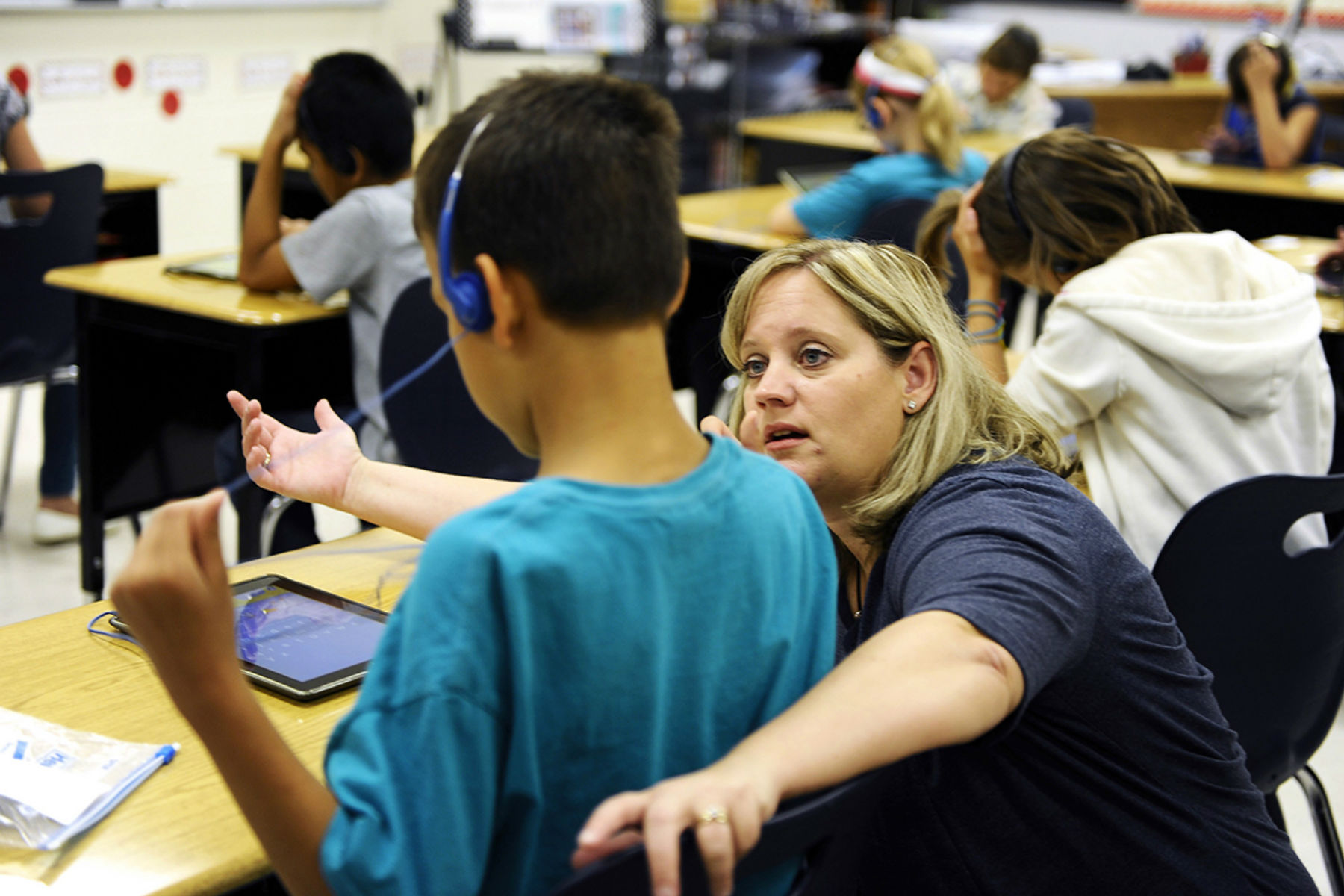
A growing reliance on artificial intelligence tools in education is raising new concerns among educators and analysts who warn that students may be losing fundamental skills in reading, writing, and critical thinking.
The issue gained renewed attention after a university instructor reported a sharp decline in student performance on a traditional written exam, despite high attendance, strong participation, and access to course materials. The instructor suggested that students who relied on AI-generated summaries rather than engaging directly with assigned readings struggled to recall key concepts and construct written arguments on their own.
Mark Bauerlein, an English professor at Emory University and author known for his critiques of digital-age learning, said the trend reflects a broader and long-developing shift in how students interact with information.
“This is the culmination of a long process,” Bauerlein said, pointing to decades of increased technology use in classrooms. “Now the technology has reached the point where it can actually do the work for the students.”
Bauerlein argued that widespread adoption of digital tools, combined with cultural changes in attention and media consumption, has reduced the incentive for students to read full texts or develop original written work. He said artificial intelligence has accelerated that trend by making it easier for students to bypass the effort required for deep comprehension.
The result, he said, is a generation of students who may feel familiar with material but lack the ability to articulate or analyze it independently, particularly in settings that require unaided performance such as handwritten exams.
At the same time, Bauerlein said educational institutions share responsibility for the decline, citing a shift away from assigning full-length books and toward shorter, more fragmented reading materials designed to accommodate perceived attention limits.
“Schools are not pushing back against the broader culture,” he said. “They’re adapting to it.”
That approach, he argued, reflects an educational philosophy that prioritizes meeting students where they are rather than challenging them to meet higher academic standards. Bauerlein said this mindset has contributed to a gradual erosion of traditional literacy expectations, including spelling, sustained reading, and analytical writing.
In response, Bauerlein and other advocates are promoting a policy proposal known as the “Books Act,” which would require public schools to assign a minimum number of complete books each academic year in English language arts courses from grades six through twelve.
Under the proposal, students would be required to read full works rather than excerpts, with an emphasis on historically significant literature. The goal, Bauerlein said, is not only to expose students to foundational texts but also to rebuild habits of concentration and sustained attention.
“It’s about training the mind to focus,” he said, noting that reading a full book requires a level of engagement that shorter digital content does not.
Supporters of the approach argue that extended reading helps develop cognitive skills that are essential for higher education and professional work, including the ability to follow complex arguments and synthesize information over time.
Bauerlein also emphasized the importance of historical literacy, warning that reducing exposure to older works risks disconnecting students from broader cultural and intellectual traditions.
“To deprive students of the past is to leave them ungrounded,” he said.
The debate comes amid a broader reassessment of technology in education, including increased scrutiny of device use in classrooms. Some school districts have begun implementing restrictions on smartphones and other digital tools, while others are exploring ways to integrate artificial intelligence without undermining core academic skills.
As educators navigate these changes, the central challenge remains balancing innovation with the preservation of foundational learning practices. The outcome of that effort may shape not only how students learn, but how well they are prepared to think, communicate, and engage with complex ideas in the years ahead.