




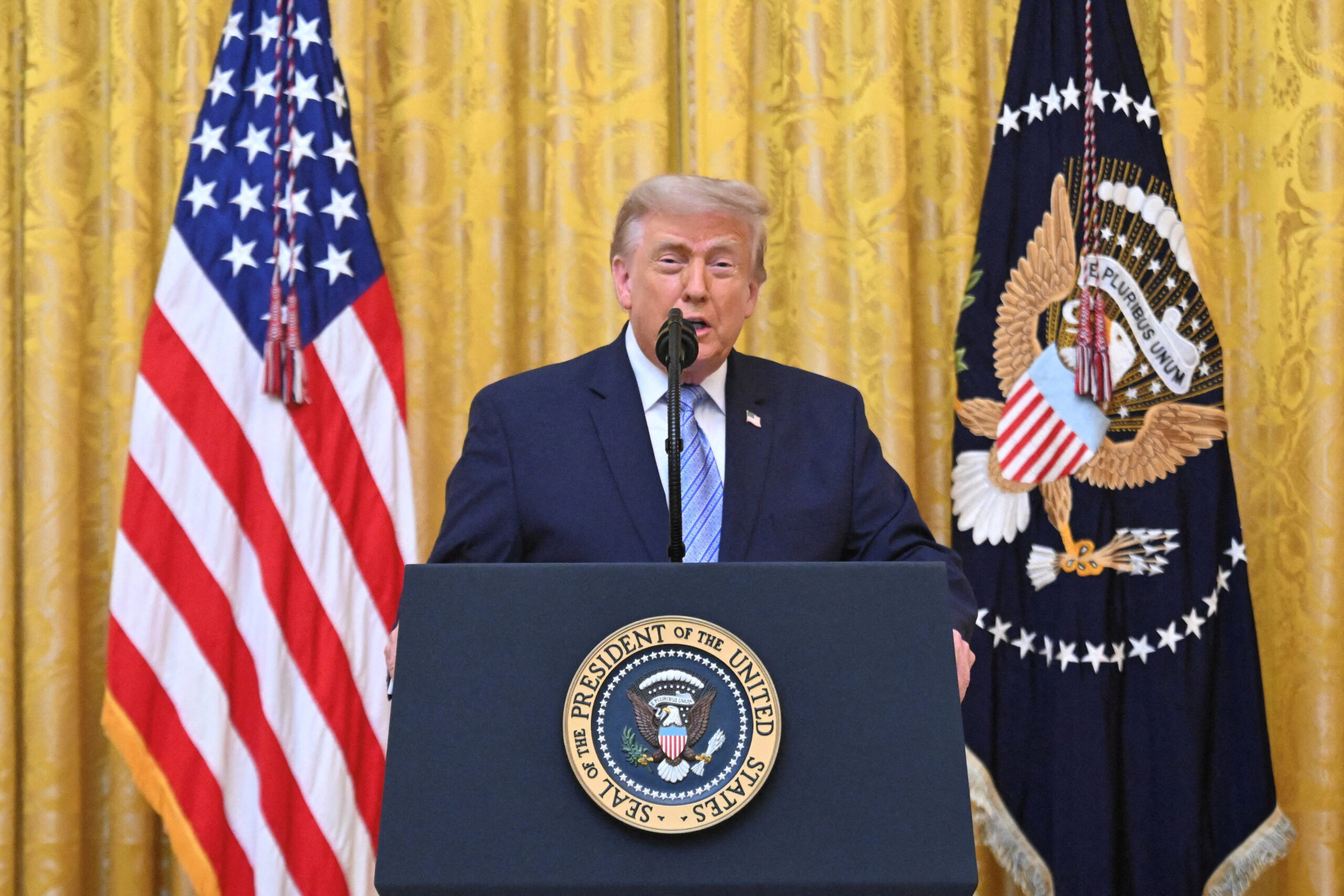
Chicago’s Morning Answer hosts Jeanne Ives and Jim Iuorio, filling in for Dan Proft, opened the show reviewing President Trump’s recent primetime address to the nation, in which he accused China of illicitly obtaining roughly 220 million American voter files and alleged that intelligence officials concealed the scope of that breach from him and the public. The hosts also replayed portions of Trump’s 2020 phone call with Georgia Secretary of State Brad Raffensperger, in which Trump cited specific categories of disputed ballots, including thousands of voters not on registration rolls and thousands more tied to vacant addresses.
Ives and Iuorio welcomed Cleta Mitchell, senior legal fellow at the Conservative Partnership Institute and founder of the Election Integrity Network, who served as a volunteer attorney for the Trump legal team in Georgia following the 2020 election. Mitchell said Trump’s account of Chinese acquisition of voter data confirmed suspicions she has held for years, explaining that the scale of compromised information, including names, addresses, and party affiliation, would have given bad actors the ability to manipulate registration records and redirect ballots without additional verification in many states. She said the revelations echoed firsthand accounts she gathered from Georgia voters in the days after the 2020 election, many of whom submitted sworn affidavits stating they were told they had already voted by mail despite never having done so, a pattern she said she later learned was reported in states well beyond Georgia.
Mitchell also addressed why so many media outlets initially dismissed predictions that mail-in ballots would shift election outcomes after Election Day, characterizing the coverage as coordinated messaging rather than objective analysis. She referenced newly declassified documents suggesting Chinese-linked actors may have made payments to journalists or media organizations, and argued that intelligence officials were aware as early as 2020 of the scope of the alleged voter data breach but withheld that information from Trump, Congress, and the public. Iuorio, drawing on his own broadcasting background, recalled a shift in media tone around the same period that he said led to the departure of several commentators, including himself, from a previous network role.
Mitchell criticized reports that some Republican political consultants have privately expressed frustration with Trump’s continued focus on 2020 election issues ahead of the midterms, arguing that any campaign professional should have a vested interest in ensuring elections are conducted fairly. She also previewed an upcoming Department of Homeland Security press conference addressing election security, noting that legal authority originally established during the Obama administration to designate elections as critical infrastructure, a designation Mitchell said was created to support since-discredited claims of Russian collusion, could now be used to justify federal action protecting election systems ahead of the fall midterms. She said the same legal framework could implicate Commerce Department regulations restricting foreign-made technology, noting that voting machines used across the country are manufactured in whole or in part in China.
Mitchell closed by voicing support for the proposed SAVE Act, federal legislation requiring proof of citizenship to register to vote, and argued that continued resistance to such measures reflects an unwillingness among some lawmakers to support commonsense verification standards. She encouraged listeners to tune into the Department of Homeland Security’s forthcoming briefing on the matter.